
St. Petersburg has long been regarded as the cultural heart of Russia, a city where the architectural grandeur of the Imperial era meets a restless, modern drive for artistic innovation. For global audiences and theater enthusiasts, the city represents more than just a destination; This proves a living laboratory for the performing arts, where the boundaries between classical tradition and avant-garde experimentation are constantly blurred.
The city’s current theatrical landscape is defined by a profound spirit of creative exchange. This openness is epitomized by initiatives such as “Meetings in Russia,” an effort designed to bring a diverse array of Russian theatrical productions to the St. Petersburg public. By facilitating the movement of plays from various regions into the “Northern Capital,” such programs leverage the city’s unique position as a hub for artistic dialogue and cultural synthesis.
For those navigating the vast offerings of the city, the sheer scale of the scene can be overwhelming. With a repertoire that spans from heartbreaking tragedies and sharp comedies to immersive experimental premieres, St. Petersburg continues to attract audiences who seek performances that offer genuine emotional resonance rather than mere aesthetic appeal.
A Legacy of Performance: From Imperial Roots to Modernity
The depth of St. Petersburg’s theatrical identity is rooted in a history that stretches back centuries. The city’s commitment to the arts was formalized early in its development, establishing a foundation that still supports its massive industry today. According to theatrical history records in St. Petersburg, the city’s first permanent professional public theater, the “Russian Theater for the Presentation of Tragedies and Comedies,” was established by a decree of Empress Elizabeth Petrovna in 1756.
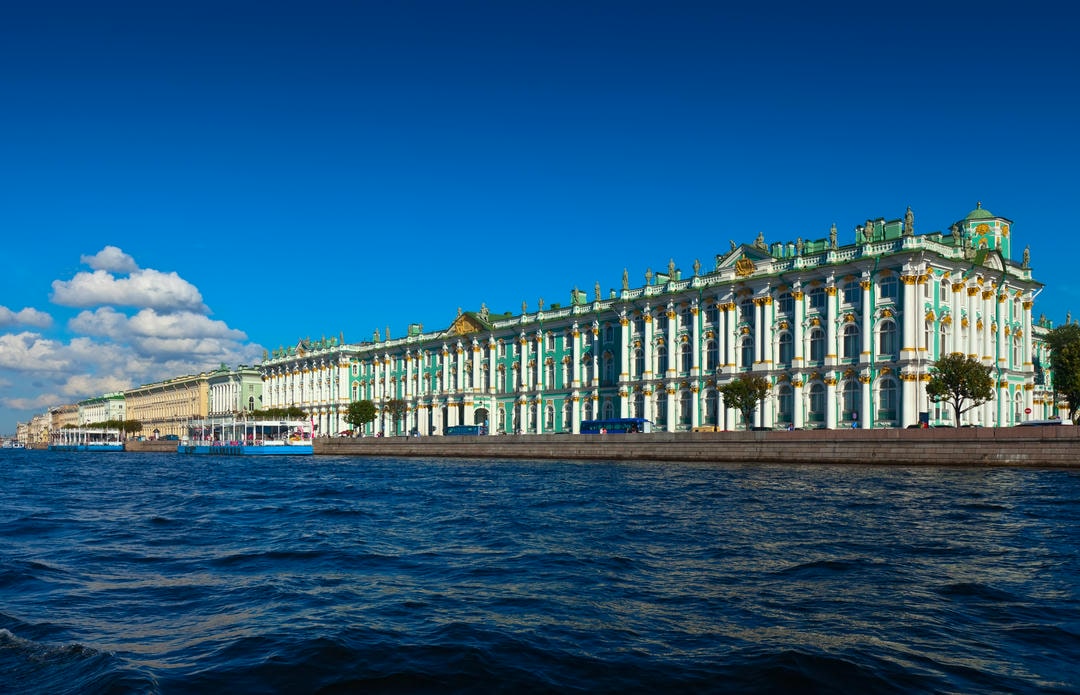
This institutionalization of theater paved the way for the creation of some of the world’s most storied venues. A primary example is the Hermitage Theatre, which opened in 1785 within the Hermitage complex. This venue remains the oldest theatrical building in St. Petersburg that has been preserved in its original form, serving as a physical testament to the city’s enduring devotion to the stage.
Today, this legacy has expanded into a sprawling network of venues. The city now hosts more than 100 theaters and theatrical collectives, ranging from massive state-funded opera houses to intimate, “chamber” theaters where the proximity between actor and audience creates an intense, visceral experience. This density of talent makes the city an ideal location for regional exchanges, as there is a built-in audience with a sophisticated understanding of the craft.
The 2025-2026 Season: Trends and Transitions
As the city moves through the 2025 and 2026 seasons, the focus has shifted toward a hybrid model of programming. Modern audiences are increasingly drawn to a mix of “strong” narratives—productions that challenge the viewer—and the timeless reliability of the classics. Recent analysis of recent theatrical trends in 2025 indicates that the city’s scenes have “exploded” with latest productions, particularly in the realm of experimental premieres.

The current trend is characterized by a coexistence of genres:
- Classical Dramas: High-production values that honor the traditions of the Imperial stage.
- Experimental Theatre: Small-scale, high-impact works often found in non-traditional spaces.
- Contemporary Comedies: Works that reflect the social dynamics of modern Russian life.
- Deep Tragedies: Psychological explorations that continue the city’s tradition of intellectual rigor.
This diversity ensures that the city remains a viable platform for events like “Meetings in Russia.” When regional theaters bring their work to St. Petersburg, they are not just performing for a local crowd; they are entering a competitive and critical environment that pushes artists to refine their vision. The “creative exchange” mentioned by local observers is a two-way street, where the visiting troupes gain prestige and the local public is exposed to different regional interpretations of Russian identity and art.
Navigating the Cultural Capital
For international visitors or residents looking to engage with this vibrant scene, the logistics of attendance have become increasingly streamlined. Digital platforms now provide comprehensive access to current performance schedules, including real-time ticket availability and pricing for the 2026-2027 period.
The ability to access electronic tickets and read peer reviews has democratized the theater-going experience, allowing audiences to move beyond the “famous halls” and discover hidden gems in smaller venues. This shift is crucial for the success of guest performances and festivals, as it allows niche productions from other Russian cities to identify their specific target audience within the metropolis.
The impact of this accessibility is evident in the way the city’s “theatrical rating” fluctuates. With new plays debuting almost monthly, the cultural conversation in St. Petersburg is prompt-paced. A production that is the “must-see” event of one month may be supplanted by a daring new premiere the next, keeping the ecosystem dynamic and preventing artistic stagnation.
Key Insights into the St. Petersburg Theatre Scene
| Feature | Detail | Significance |
|---|---|---|
| Total Collectives | 100+ theaters | Ensures a vast diversity of styles and genres. |
| Oldest Intact Venue | Hermitage Theatre (1785) | Preserves the architectural and artistic legacy of the 18th century. |
| Professional Origin | Established 1756 | Marks the start of permanent professional public theater in Russia. |
| Current Focus | Classic vs. Experimental | Balances historical reverence with modern innovation. |
the success of programs like “Meetings in Russia” relies on the city’s inherent nature as a crossroads. By bringing together the works of various Russian theaters, St. Petersburg reinforces its role not just as a keeper of the past, but as a curator of the present. The love of the local citizenry for the arts provides the necessary fuel for this exchange, ensuring that every guest production is met with an engaged and discerning audience.
As the 2026 season unfolds, theater-goers are encouraged to monitor official schedules and ticketing platforms to stay updated on guest performances and new premieres. The next phase of the city’s theatrical evolution will likely continue to emphasize this dialogue between the regional and the metropolitan, further cementing St. Petersburg’s status as a global beacon of the performing arts.
Do you have a favorite theater in St. Petersburg or a production that left a lasting impression on you? Share your experiences in the comments below and let us know which regional works you would like to see on the city’s stages.
Related reading