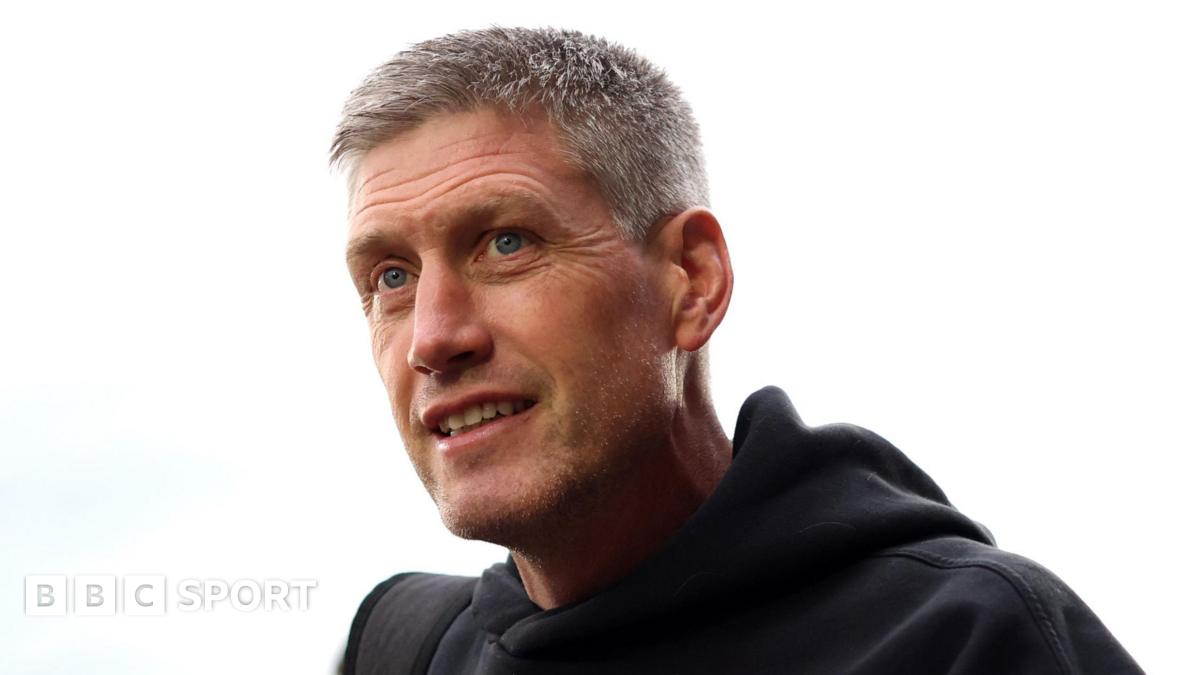
The stage is set for a high-stakes encounter in European rugby as La Rochelle prepares to face a formidable opponent in the upcoming Ulster vs La Rochelle Challenge Cup quarter-final. La Rochelle head coach Ronan O’Gara has been candid about the challenge ahead, labeling the Northern Irish side as “dangerous” and describing the matchup as a significant test for his squad.
As both teams vie for a place in the semi-finals, O’Gara’s warnings underscore the volatility and prestige of the Challenge Cup. The clash is not merely a tactical battle but a meeting of two clubs navigating different phases of their current cycles—one attempting a resurgence and the other managing a strategic rebuild.
The anticipation surrounding the fixture has already sparked reactions across the rugby world, including from Irish international stars who have noted the significance of O’Gara’s side facing Ulster in this critical knockout round. With the pressure mounting, the focus remains on whether La Rochelle’s tactical adjustments can withstand the intensity of an Ulster team known for its resilience on the continental stage.
O’Gara Warns Against Underestimating Ulster
Ronan O’Gara is no stranger to the pressures of European rugby, but he is acutely aware that Ulster possesses a unique capacity for disruption. In recent assessments, O’Gara explicitly stated that Ulster represents a ‘dangerous’ and big test for La Rochelle. This admission highlights the respect the La Rochelle boss has for the opposition’s current form and their ability to execute under pressure.

The narrative of “danger” stems from Ulster’s ability to elevate their game during knockout fixtures. O’Gara believes that the Irish province will not be “spooked” by the magnitude of a big European night. This confidence in Ulster’s mental fortitude is something O’Gara views as a primary threat to his own team’s ambitions in the tournament.
The Shadow of the 2012 Shock
To explain why he believes Ulster is so comfortable in high-pressure environments, O’Gara pointed to historical precedents. He specifically referenced a “2012 shock” as a key reason for his caution, suggesting that the lessons learned from past European upsets have ingrained a level of fearlessness within the Ulster setup and the province’s history of defying expectations.
For O’Gara, this historical context is vital. It suggests that Ulster does not merely participate in big games but thrives in them, often using the underdog status or the pressure of the occasion to fuel a more aggressive and clinical performance. This psychological edge is what La Rochelle must account for as they prepare their game plan for Friday.
La Rochelle’s Rebuild and the Role of Jack Murphy
While Ulster looks to capitalize on their resurgence, La Rochelle is operating in a state of transition. O’Gara has been open about the fact that his side is currently undergoing a rebuild, a process that involves integrating fresh tactical philosophies and managing the evolution of the squad’s roster.
Central to this transition and the upcoming quarter-final is the role of fly-half Jack Murphy. As the primary playmaker, Murphy’s ability to direct the attack and manage the game’s tempo will be critical in neutralizing Ulster’s defensive pressure. The synergy between Murphy’s distribution and the team’s rebuilding efforts will be a focal point for analysts observing the match.
The challenge for La Rochelle lies in balancing the desire for long-term growth with the immediate necessity of winning a knockout match. O’Gara’s task is to ensure that the “rebuild” phase does not abandon the team vulnerable to a side as experienced and dangerous as Ulster.
Key Match Dynamics
- Psychological Resilience: Ulster’s history of handling “big European nights” versus La Rochelle’s current transitional phase.
- Playmaking: The influence of Jack Murphy in guiding La Rochelle’s offensive strategy.
- Tactical Respect: O’Gara’s acknowledgment of Ulster as a “big test,” suggesting a cautious approach to the encounter.
The upcoming Friday clash serves as a litmus test for both clubs. For Ulster, it is an opportunity to prove their resurgence is sustainable. For La Rochelle, it is a chance to demonstrate that their rebuilding process is yielding results at the highest level of European competition.
The next confirmed checkpoint for both teams is the Challenge Cup quarter-final match scheduled for Friday, where the winner will secure a spot in the semi-finals.
Do you think La Rochelle’s rebuild is far enough along to handle Ulster’s experience? Let us recognize your thoughts in the comments below and share this analysis with your fellow rugby fans.