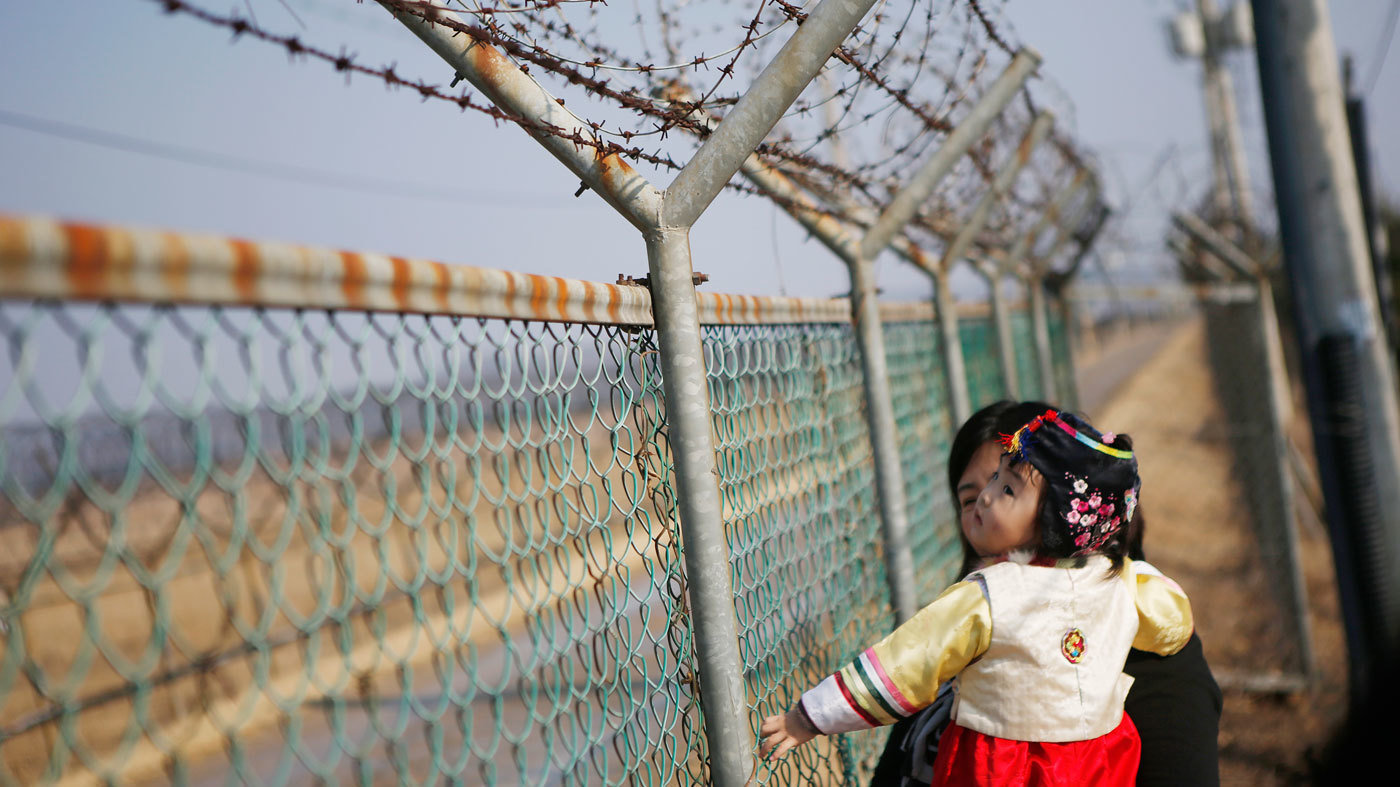
For those fleeing the oppressive regime of North Korea, the journey to freedom is rarely a straight line. It is often a grueling, multi-stage odyssey marked by extreme peril, the constant threat of forced repatriation, and the desperate hope of finding a sanctuary where human rights are guaranteed. While many defectors traditionally seek refuge in South Korea, an increasing number are looking toward North America, specifically Canada, as a final destination for safety and stability.
The motivations for these “double defections”—leaving one safe haven to seek another—are often rooted in deep-seated trauma and the fear that their safety is precarious. Personal accounts, such as that of an individual identified as Mr. Park, illustrate the profound emotional and physical stakes involved. In this account, the decision to seek asylum in Canada was driven by the tragic death of a friend and a pervasive fear of being treated “worse than animals” if captured and returned to North Korea. For such individuals, the act of applying for refugee status in Canada is not merely a legal procedure but a gamble for survival.
Still, the path to Canadian residency is fraught with systemic hurdles. From the stringent requirements of the Immigration and Refugee Board of Canada (IRB) to the complex legal distinctions regarding nationality, the process can be as daunting as the journey itself. As the Canadian government grapples with a massive backlog of asylum claims, the window of stability for these vulnerable populations remains precariously open.
Private Sponsorship and the Path to Permanent Residency
While the standard asylum process can be long and uncertain, some North Korean refugees have found a more direct route through private sponsorship. Organizations like HanVoice, a North Korean human rights group based in Canada, have spent over a decade working to bring defectors directly from third countries in Southeast Asia to Canada. This model of private sponsorship allows refugees to bypass some of the more grueling aspects of the traditional asylum wait.

According to reports from Radio Free Asia, a group of North Korean refugees—primarily women and children—recently arrived in Toronto via this private sponsorship route. Unlike those who apply for asylum upon arrival, these individuals underwent a refugee recognition process over several months and were granted permanent residency immediately upon their arrival in Canada. This immediate status provides a critical layer of security and legal standing that traditional claimants must fight for over years.
Beyond legal status, the private sponsorship model provides essential integration support. Refugees arriving through these programs typically receive at least one year of comprehensive assistance, including housing, education, settlement services, and economic support. This holistic approach is designed to mitigate the trauma of displacement and accelerate the transition into Canadian society.
The Legal Maze: Citizenship and the “Safe Country” Barrier
A significant complication arises for North Korean defectors who have already settled in South Korea before attempting to move to Canada. For many, the assumption is that their status as defectors automatically qualifies them for refugee protection anywhere in the world. However, Canadian immigration law views the situation differently.
Many defectors who arrived in Canada after residing in South Korea have seen their refugee claims denied. The primary reason cited is that South Korea is recognized as a safe country. Once an individual has acquired South Korean nationality, they are often no longer considered eligible for refugee status in Canada, regardless of their origins in North Korea. This legal reality has led to numerous instances where defectors were forced to return to South Korea after failing to secure asylum in Canada.
This legal nuance highlights the precarious nature of “safe” status. The case of Ri Seong-dae, a former North Korean diplomat who arrived in Toronto in 2001 using a forged passport, serves as a historical precedent for the complexities of these claims. While his son was granted refugee status and permanent residency, Ri Seong-dae’s own application was rejected on the grounds that he had held a high-ranking official position in the North Korean government. This distinction between “victim” and “official” remains a critical pivot point in the Refugee Protection Division’s (RPD) determinations.
Systemic Delays: The Crisis at the Immigration and Refugee Board
For those who do not have the benefit of private sponsorship and must apply for asylum through the standard channels, the current state of the Canadian immigration system is a source of significant anxiety. The Immigration and Refugee Board of Canada (IRB) is currently facing a severe processing crisis.
As of the end of June 2025, the number of refugee protection claims pending at the IRB-CISR reached approximately 288,000 cases. Reports indicate that more than half of these claims have not yet been processed, leading to prolonged periods of uncertainty for claimants. These delays are not merely administrative; they have real-world consequences, exacerbating instability in housing and limiting access to essential medical care for those waiting in limbo.
The RPD places a heavy burden of proof on the claimant. As outlined in the IRB’s official instructions, claimants are obligated to provide all supporting documentation that can prove their need for protection without delay. For North Korean defectors, gathering such evidence is often nearly impossible, as documents from the North are rare and the fear of endangering family members still residing in the regime often prevents them from disclosing full details.
Key Takeaways: The North Korean Asylum Experience in Canada
- Private Sponsorship: Organizations like HanVoice provide a faster route to permanent residency and immediate settlement support for women and children.
- The Nationality Hurdle: Possession of South Korean citizenship often disqualifies defectors from receiving refugee status in Canada due to South Korea’s status as a “safe country.”
- Systemic Backlogs: With 288,000 pending claims as of June 2025, the IRB is struggling to process asylum applications, leaving many in a state of prolonged instability.
- Evidence Requirements: Claimants must provide rigorous documentation to the Refugee Protection Division to prove their claims, a task that is exceptionally difficult for those fleeing North Korea.
What In other words for Future Claimants
The intersection of human rights and immigration law creates a volatile environment for North Korean defectors. While Canada remains a beacon of hope, the reality is that the “safe haven” is guarded by a complex bureaucracy and a strained legal system. The disparity between the experience of privately sponsored refugees—who receive immediate permanent residency—and traditional asylum seekers—who face a backlog of nearly 300,000 cases—underscores the importance of institutional support and legal counsel.
For those currently in the process, the IRB emphasizes the necessity of early preparation. The mandate to submit evidence “without delay” means that the window to build a successful case is narrow. For a population that has spent their lives avoiding documentation to survive, this requirement is a final, daunting hurdle in their quest for freedom.
The next critical checkpoint for those navigating this system will be the ongoing efforts by the Canadian government to increase staffing at the IRB to clear the current backlog. Until significant reductions in the 288,000 pending cases are achieved, North Korean refugees and other asylum seekers will continue to exist in a fragile state of transition.
Do you have insights on the global refugee crisis or the challenges of asylum seekers in North America? Share your thoughts in the comments below and share this article to raise awareness about the plight of North Korean defectors.
Keep reading
- Japan Spent Nearly $87 Billion in July to Defend Yen, Estimates Show
- China: Activist Arrested Over Dalai Lama Photo in Tibet Must Be Released
- BODYBAR Reformer Pilates Expands Results-Driven Fitness in New Hampshire (news-usa.today)
- South Korean Police Raid Starbucks Korea Over Gwangju Uprising Ad Campaign (archyworldys.com)