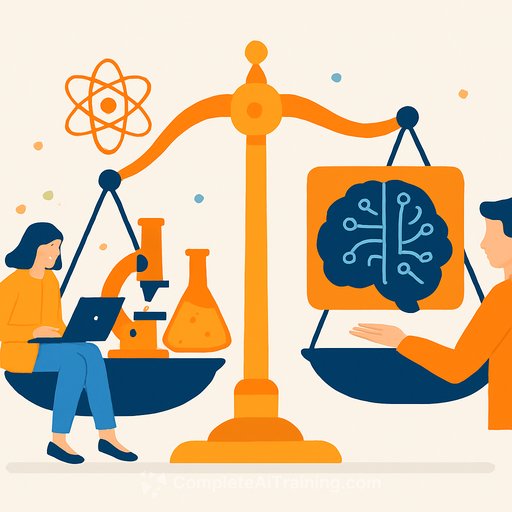
The integration of artificial intelligence into the realms of cognitive support and mental health is no longer a futuristic projection—it is a current reality. From generative AI assistants that help students synthesize complex information to specialized tools designed to monitor emotional well-being, the technology is rapidly reshaping how we interact with our own minds.
For technology professionals and health practitioners alike, this shift presents a profound paradox. While these tools offer unprecedented efficiency and accessibility, they also introduce new risks regarding cognitive dependency and the erosion of fundamental mental skills. The goal is no longer simply to build more powerful AI, but to understand the long-term psychological cost of that power.
In the United States, the tech ecosystem is currently a flashpoint for this tension. Emerging reports suggest a surge in startups developing AI-driven mental health solutions, a movement characterized by a volatile mix of optimism and anxiety. As these tools move from experimental labs to consumer devices, the focus is shifting toward the tangible impact on human cognition.
The Cognitive Trade-off: Efficiency vs. Memory
One of the most pressing concerns regarding the widespread use of generative AI is its impact on how we retain information. While AI can dramatically accelerate the learning process, there is evidence that this speed comes at a price. Recent findings indicate that while tools like ChatGPT enable students to learn more quickly, they may simultaneously weaken long-term memory through a reduction in deep cognitive processing.
This phenomenon suggests a “cognitive outsourcing” effect. When an AI provides a polished answer or a summarized concept instantaneously, the brain bypasses the struggle of synthesis and retrieval—the very processes that solidify a memory. For the global workforce and student populations, this creates a precarious balance: the ability to access information faster than ever before, coupled with a diminishing capacity to store and recall that information independently.
Innovation and Anxiety in the US Tech Sector
The United States remains the primary hub for AI mental health innovation, but the environment is increasingly cautious. There are ongoing reports of startups creating specialized AI tools intended to bridge gaps in mental health care, though these developments are often met with a blend of progress and apprehension. The primary concern is whether an algorithmic approach to mental health can truly replicate the nuance of human empathy or if it risks oversimplifying complex psychological needs.
This tension is not merely ethical but functional. As AI becomes a primary interface for mental health support, the industry is grappling with how to maintain safety standards without stifling the innovation that could make support accessible to millions of underserved individuals. The challenge lies in ensuring that “progress” is measured not by the sophistication of the code, but by the long-term stability of the user’s mental health.
- Cognitive Impact: AI can accelerate short-term learning but may impair long-term memory retention.
- Market Trend: US-based startups are aggressively developing AI health tools amidst growing regulatory and ethical concerns.
- The Dependency Risk: Over-reliance on generative AI for synthesis may reduce the human capacity for independent critical thinking.
The next critical checkpoint for the industry will be the release of further longitudinal studies on AI-assisted learning and the formal regulatory frameworks governing AI health startups in the US. These updates will determine whether AI remains a supportive tool or becomes a cognitive crutch.
How do you balance the use of AI in your daily learning or operate routine to ensure you aren’t losing your “mental muscle”? Share your thoughts and experiences in the comments below.
Worth a look
- Kids’ Summer Fun Activities Kick Off in Karlsruhe-Grötzingen
- Influencer’s Past Relationship Revives Public Interest Amid Fugitive Search
- Earth’s Ocean Floor Remains Less Mapped Than Mars Despite Seabed 2030 Progress (archyworldys.com)
- Israel Raises Security Concerns Over Trump-Brokered Hamas Disarmament Deal (time.news)