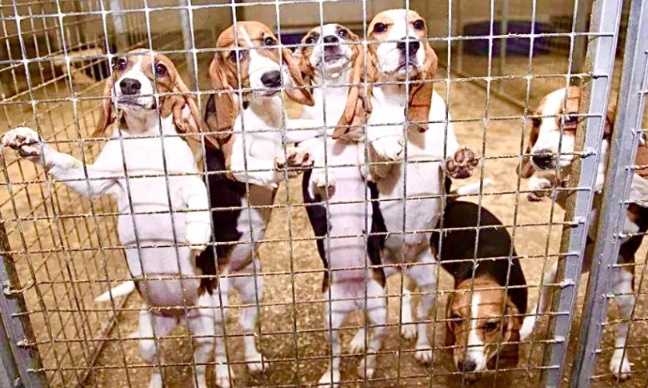
A wave of social media activity has recently emerged centering on a petition to ban laboratory testing on Beagle dogs. The movement, which has gained traction across platforms like X (formerly Twitter) and Facebook, calls for an end to the use of these specific dogs in research facilities, citing the lifelong trauma and suffering experienced by the animals.
The push to ban laboratory tests on Beagles has been amplified by individual users sharing the cause to raise global awareness. Recent activity shows the petition being shared by users including Patoue R on X, and Celine C and Ophelie D on Facebook, signaling a growing digital coalition demanding stricter ethical standards for animal research.
Beagles are frequently selected for laboratory research due to their docile nature and eagerness to please, traits that unfortunately make them more compliant during stressful or painful procedures. Advocates argue that this temperament makes the practice particularly cruel, as the dogs remain cooperative even whereas undergoing significant distress.
The Ethics of Beagle Research
The debate over animal testing often focuses on the balance between scientific advancement and animal welfare. In the case of Beagles, the focus is on the long-term impact of these tests. Critics of the practice argue that the animals are “tortured for life,” referring to the permanent physical and psychological damage sustained during toxicity tests and pharmaceutical trials.
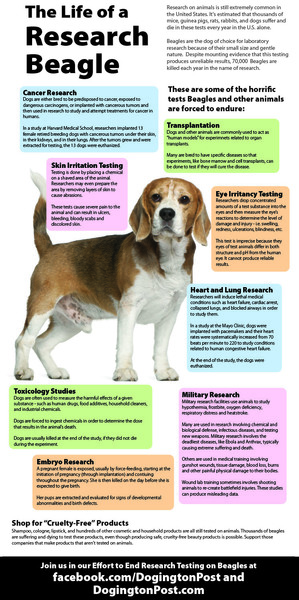
The goal of the current petition is to secure a total ban on these tests, urging regulatory bodies to transition toward non-animal alternatives. This movement aligns with a broader global trend toward “cruelty-free” science and the implementation of New Approach Methodologies (NAMs) in medical research.
Why Beagles are Targeted for Testing
The selection of Beagles is not accidental. Their size is manageable for laboratory settings, and their predictable temperament reduces the likelihood of aggression toward handlers. However, the highly traits that make them ideal “subjects” are what animal rights advocates cite as the reason for the inherent cruelty of the practice.
Those supporting the petition argue that the psychological toll on these dogs—who are social animals by nature—is exacerbated by the isolation and clinical environment of a research facility.
Digital Activism and the Path to Policy Change
The sharing of this petition across social media serves as a catalyst for public pressure. By leveraging platforms like Facebook and X, activists are attempting to move the conversation from niche animal rights circles into the mainstream public consciousness. This strategy aims to force legislative bodies to reconsider the legality of using Beagles in laboratories.
The impact of such digital campaigns often depends on the volume of signatures and the visibility of the cause. When high-profile shares occur, it increases the likelihood that the petition will reach policymakers who oversee agricultural and health research regulations.
The Role of Public Petitions
While a petition itself is not a law, it serves as a formal record of public sentiment. In many jurisdictions, a sufficient number of signatures can trigger a government review or a parliamentary debate on the issue. The current momentum suggests a growing intolerance for the use of sentient animals in invasive testing.
Supporters are encouraged to share the petition within their own networks to maximize the reach, emphasizing the necessitate for a global standard that prohibits the use of Beagles in any form of laboratory experimentation.
As the movement continues to grow, the next step for advocates is to transition from digital signatures to formal legislative proposals. The community awaits further updates on whether the petition will be formally recognized by governmental animal welfare agencies.
We invite our readers to share their thoughts on animal testing ethics in the comments below and share this report to spread awareness.