
Public health officials in South Korea are on high alert following the first detection of mosquitoes capable of carrying Japanese encephalitis in Ulsan this year. While the discovery of these vectors is a seasonal occurrence, it serves as a critical trigger for local health authorities to intensify surveillance and preventative measures to protect the population from potential outbreaks.
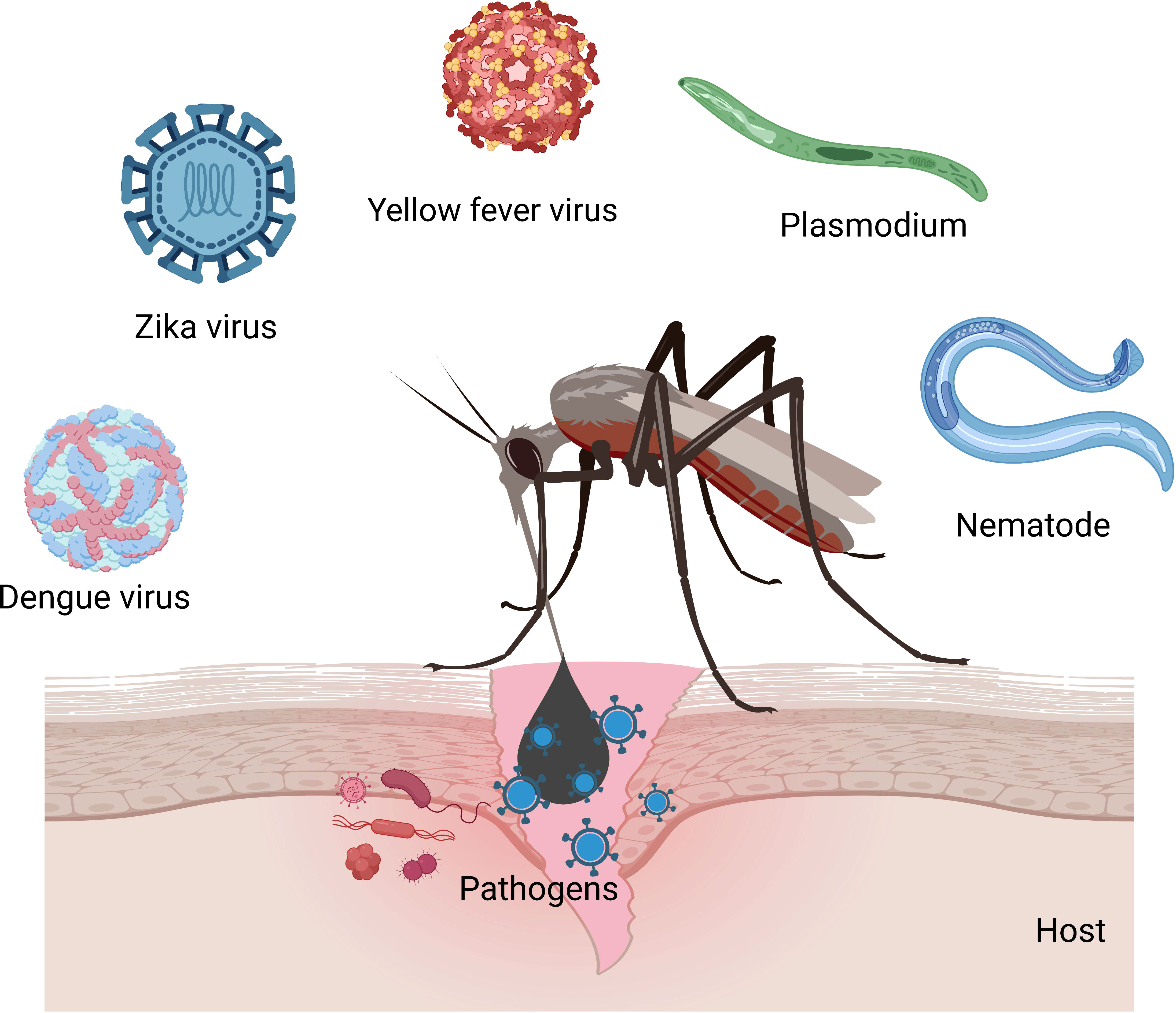
The detection was made by the Ulsan Health and Environment Research Institute, which monitors mosquito populations to identify the presence of pathogens that could lead to severe illness. In addition to Japanese encephalitis, the institute conducted screenings for several other high-risk pathogens, including the West Nile virus, Zika virus, Yellow fever virus, Dengue virus, and Chikungunya. According to the available data, none of these other five pathogens were detected in the current sampling.
As a physician with over a decade of experience in internal medicine and infectious diseases, I view these early detections as a vital “early warning system.” When we identify the presence of Culex mosquitoes—the primary vectors for Japanese encephalitis—it allows the government to implement targeted spraying and public awareness campaigns before the virus has a chance to spread through the human population.
Understanding the Risks: Japanese Encephalitis and Flaviviruses
Japanese encephalitis is a serious viral infection that causes inflammation of the brain. It’s transmitted to humans through the bite of infected mosquitoes, primarily those of the Culex genus. While many infections are mild, a significant percentage of clinical cases can result in severe neurological complications or death, making early detection of the mosquito vectors essential for public safety.

The other pathogens screened by the Ulsan authorities belong to a broader group known as Flaviviruses. As noted by Seoul Asan Hospital, the Zika virus, Dengue, and Chikungunya are all part of the Flavivirus genus. These diseases are often characterized by high fever, joint pain, and rashes, though they vary in severity and long-term impact.
The absence of these specific viruses in Ulsan’s current samples is encouraging. Many of these, such as Zika and Dengue, are often categorized as imported infectious diseases, meaning they are typically brought into the country by travelers returning from endemic regions in Southeast Asia, Africa, or the Americas. However, the risk remains if local mosquito populations become capable of sustaining the transmission cycle.
The Role of Systematic Mosquito Surveillance
The work being done in Ulsan reflects a broader national strategy in South Korea to combat climate-driven health risks. As temperatures rise and weather patterns shift, the habitats for disease-carrying mosquitoes expand, increasing the risk of both endemic and imported diseases.
Across different regions, such as Chungcheongbuk-do, health institutes are deploying sophisticated monitoring systems. For instance, the Chungbuk Health and Environment Research Institute operates a surveillance system from April to October, utilizing automatic collection devices (DMS) and manual trapping in areas like migratory bird habitats and urban centers to monitor the presence of six major pathogens.
This rigorous approach involves several key steps:
- Collection: Using traps in high-risk areas to capture various mosquito species.
- Classification: Using microscopy to identify the specific species of mosquito.
- Genetic Testing: Performing molecular tests to see if the mosquitoes are carrying viruses like Japanese encephalitis or West Nile.
- Data Sharing: Rapidly communicating findings to quarantine and health agencies to trigger disinfection and prevention protocols.
Public Health Implications and Preventative Measures
The detection of Japanese encephalitis vectors is a reminder that the window for prevention is narrow. Because these infections can have a high fatality rate if treatment is delayed, the Korea Disease Control and Prevention Agency (KDCA) emphasizes that rapid diagnosis and treatment are decisive for patient prognosis.
For the general public, the most effective way to reduce risk is through a combination of vaccination and environmental control. The Japanese encephalitis vaccine is the primary defense against the disease. Reducing stagnant water around homes—where mosquitoes breed—and using repellents during peak activity hours can significantly lower the chance of infection.
Comparison of Monitored Flaviviruses
| Pathogen | Common Symptoms | Key Risk/Concern |
|---|---|---|
| Japanese Encephalitis | High fever, headache, brain inflammation | Severe neurological damage |
| Zika Virus | Rash, fever, conjunctivitis | Microcephaly in newborns |
| Dengue Virus | Severe joint pain, high fever, rash | Hemorrhagic complications |
| West Nile Virus | Fever, headache, muscle aches | Encephalitis in vulnerable groups |
| Yellow Fever | Fever, jaundice, muscle pain | Liver and kidney failure |
What Happens Next?
Following the confirmation of Japanese encephalitis mosquitoes in Ulsan, the local health authorities will likely increase the frequency of mosquito trapping and implement intensified disinfection efforts in affected areas. The public is advised to stay updated through official government health portals for any specific advisories regarding vaccination clinics or high-risk zones.
The continued monitoring of the remaining five pathogens—West Nile, Zika, Yellow Fever, Dengue, and Chikungunya—will remain a priority to ensure that no imported cases trigger a local outbreak. As we move deeper into the warmer months, the vigilance of these research institutes remains the first line of defense in protecting urban populations from the evolving threat of mosquito-borne illnesses.
For the latest updates on public health advisories in South Korea, please refer to the official notices from the Korea Disease Control and Prevention Agency (KDCA).
Do you have questions about mosquito-borne illness prevention or vaccination? Share your thoughts in the comments below or share this article to assist others stay informed.