:max_bytes(150000):strip_icc()/connection-between-mental-health-and-sleep-disorders-5206154-final-0103989979864ff69c1316ecf0299336.jpg)
When the body’s internal regulatory systems falter, the impact often manifests as a confusing array of physical and psychological symptoms. For many, this begins with a disruption in the autonomic nervous system, leading to a state where the body can no longer maintain a stable equilibrium. This dysfunction can trigger a cascading effect, where physical instability paves the way for severe sleep disturbances and mental health challenges.
Understanding the connection between autonomic dysfunction and mental well-being is critical for effective treatment. When the systems governing involuntary functions—such as heart rate and digestion—are imbalanced, the body remains in a state of heightened stress. If left unaddressed, this chronic physiological strain can evolve into complex conditions, including insomnia and various psychiatric disorders.
The progression from physical imbalance to mental health struggle is often marked by the onset of sleep disorders. Sleep is not merely a period of rest but a vital process for neurological and physical recovery. When this process is compromised, the brain’s ability to regulate emotions and manage stress diminishes, creating a cycle where physical dysfunction and mental distress reinforce one another.
The Critical Link Between Autonomic Dysfunction and Sleep Disorders
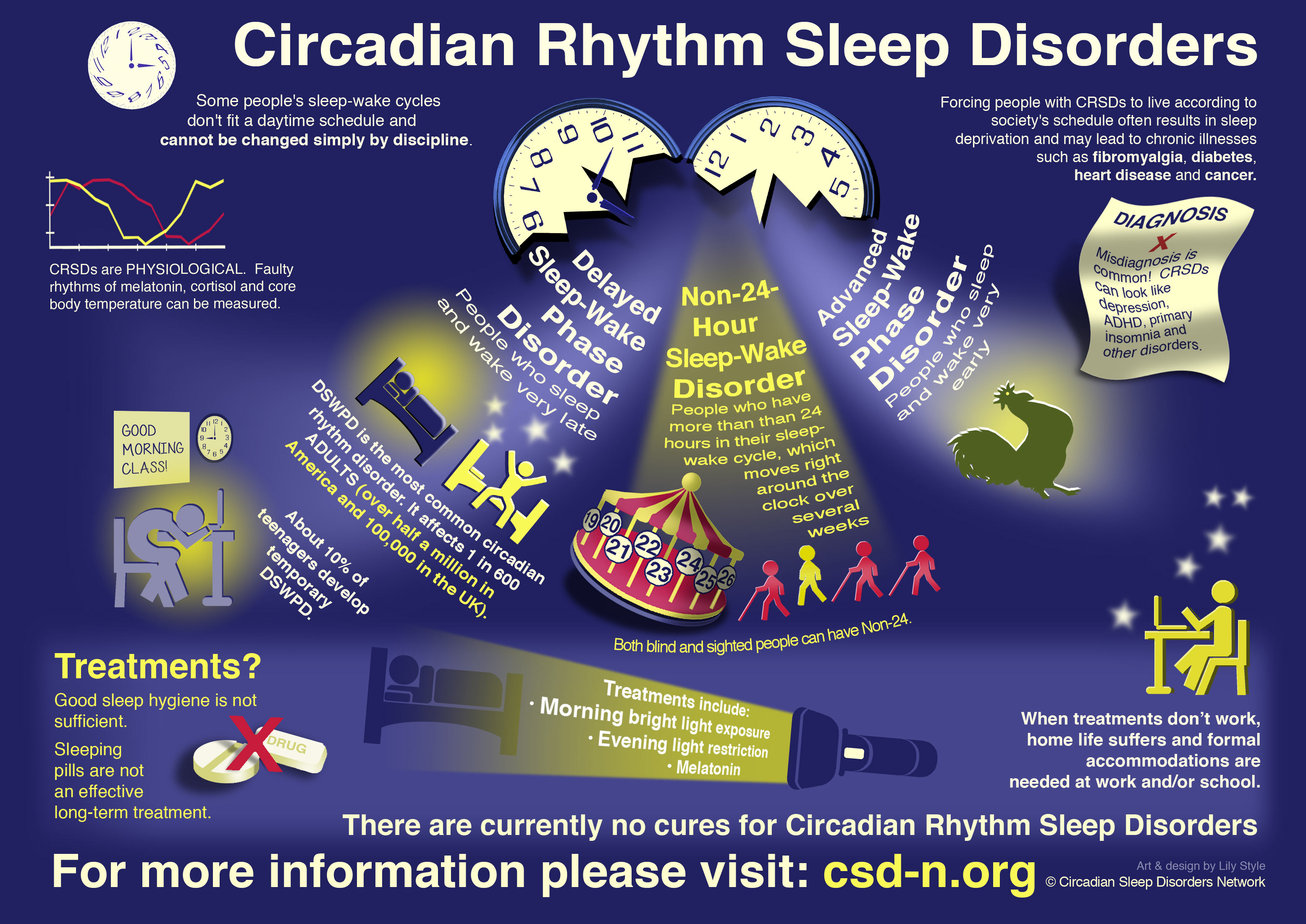
A primary consequence of prolonged autonomic instability is the development of sleep disorders, specifically insomnia. Insomnia is characterized by difficulties in initiating sleep, maintaining sleep, or a lack of restorative quality upon waking. According to medical data from Seoul National University Hospital, a diagnosis of primary insomnia typically requires that these symptoms persist for at least three months and are not caused by other medical conditions, psychiatric disorders, or substance abuse.
When the autonomic nervous system fails to shift from a sympathetic (fight-or-flight) state to a parasympathetic (rest-and-digest) state, the body remains hyper-aroused. This physiological state makes it nearly impossible for the individual to enter the deep stages of sleep necessary for recovery. The resulting lack of “restorative power” after waking is a hallmark of this dysfunction, leaving the patient exhausted despite having spent hours in bed.
The impact of these sleep disturbances extends beyond simple tiredness. Sleep deprivation impairs the prefrontal cortex, the area of the brain responsible for executive function and emotional regulation. This vulnerability makes the individual significantly more susceptible to a range of complex mental health issues.
From Physiological Strain to Psychiatric Complications
If the state of autonomic imbalance and sleep deprivation persists, the risk of developing multifaceted psychiatric symptoms increases. The psychological burden often manifests as a combination of several disorders, complicating the clinical picture and requiring a multidisciplinary approach to treatment.
Common psychiatric complications associated with prolonged autonomic and sleep dysfunction include:
- Anxiety and Panic Disorders: The constant state of physiological arousal can trigger panic attacks and generalized anxiety.
- Social Phobia: Increased sensitivity to stress and emotional instability can lead to a fear of social situations.
- Mood Disorders: This includes clinical depression and other mood-related instabilities resulting from chronic exhaustion and chemical imbalances in the brain.
- Obsessive-Compulsive Symptoms: The inability to regulate stress can manifest as obsessive thoughts or compulsive behaviors.
These conditions rarely exist in isolation. Instead, they often appear as a complex cluster of symptoms where the physical instability of the autonomic nervous system fuels the psychological distress, which in turn further disrupts sleep and autonomic function.
Navigating Treatment: When to Seek Professional Help
Addressing these symptoms requires a strategic approach based on the duration and severity of the dysfunction. Early intervention is key to preventing the transition from acute symptoms to chronic psychiatric conditions.
Guidance on seeking care generally follows a timeline based on symptom persistence:
- Initial Phase (1–2 Weeks): Focus is typically placed on strict sleep hygiene and self-management to resolve temporary disruptions.
- Intermediate Phase (2–4 Weeks): If symptoms persist, individuals may consider consulting a pharmacy or visiting an internal medicine clinic for initial evaluation.
- Chronic Phase (3 Months or More): When symptoms persist for three months or longer, specialized care from a psychiatry department is recommended for comprehensive diagnosis and treatment as outlined by health guidance resources.
The Diagnostic Process
Professional evaluation for sleep and autonomic disorders involves a detailed clinical interview. Specialists, such as those at the National Mental Health Information Portal, assess the specific types of sleep symptoms, the timing of their onset, and the use of any medications. Physical examinations are also conducted to rule out other causes; for example, measuring neck circumference and examining the position of the tongue and tonsils to assess the risk of sleep-disordered breathing.
Key Takeaways for Patients
- Autonomic balance is foundational: Physical instability in the nervous system often precedes and exacerbates mental health struggles.
- The 3-month threshold: Symptoms persisting for over three months are generally categorized as chronic and require specialist intervention.
- Interconnectedness: Sleep disorders, panic, depression, and anxiety are often linked to the same underlying physiological dysfunction.
- Multidisciplinary approach: Treatment may involve a combination of internal medicine for physical symptoms and psychiatry for mental health management.
For those experiencing these symptoms, the next step is to document the duration and nature of sleep disturbances and schedule a comprehensive evaluation with a healthcare provider to determine if autonomic dysfunction is the root cause. Early diagnosis can prevent the progression toward more severe psychiatric disorders.
We encourage readers to share their experiences with sleep and stress management in the comments below and share this article with those who may be struggling with unexplained fatigue or anxiety.