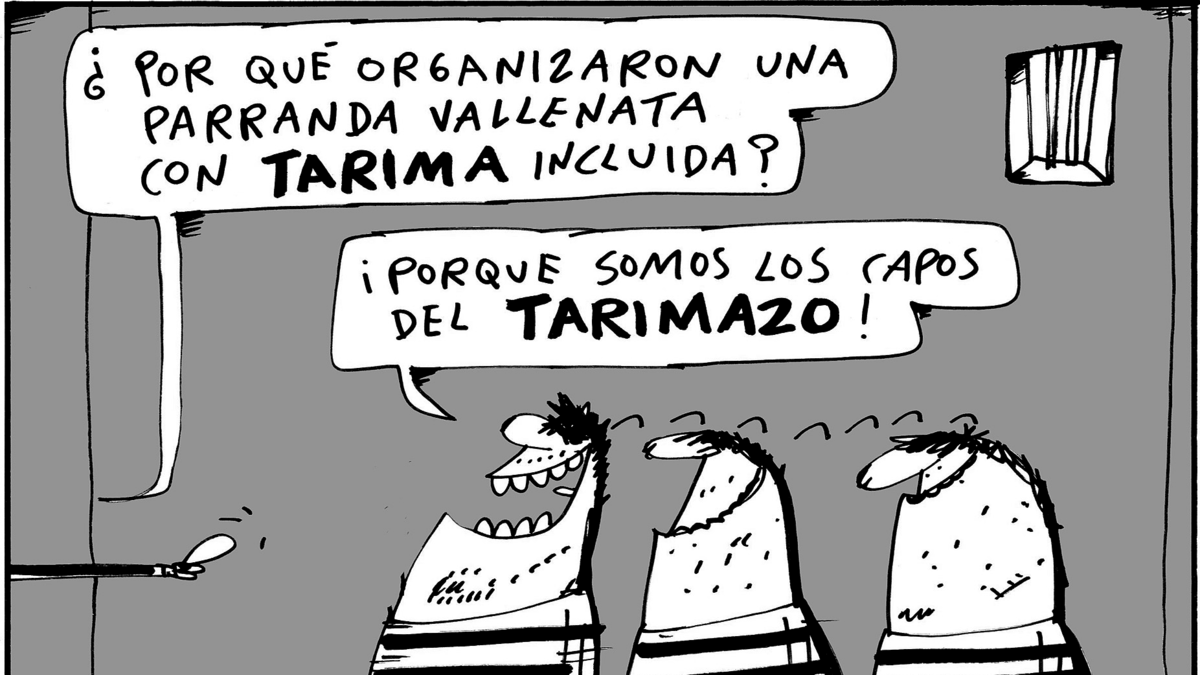
Colombia is grappling with a significant security scandal following reports of an unauthorized, high-profile party held within the La Paz prison in Itagüí. The event, which featured professional musical performances and luxury amenities, has sparked intense political backlash and led to the suspension of critical government peace initiatives.
The controversy centers on a private celebration organized by incarcerated leaders of criminal gangs in the Valle de Aburrá region. According to reports, the inmates coordinated a “vaca”—a collective fund—to finance the event, allegedly raising approximately 500 million pesos, with roughly 100 million pesos dedicated to paying for a renowned artist Nelson Velásquez, a prominent vallenato singer, who performed alongside his group inside the maximum-security facility on April 9, 2026.
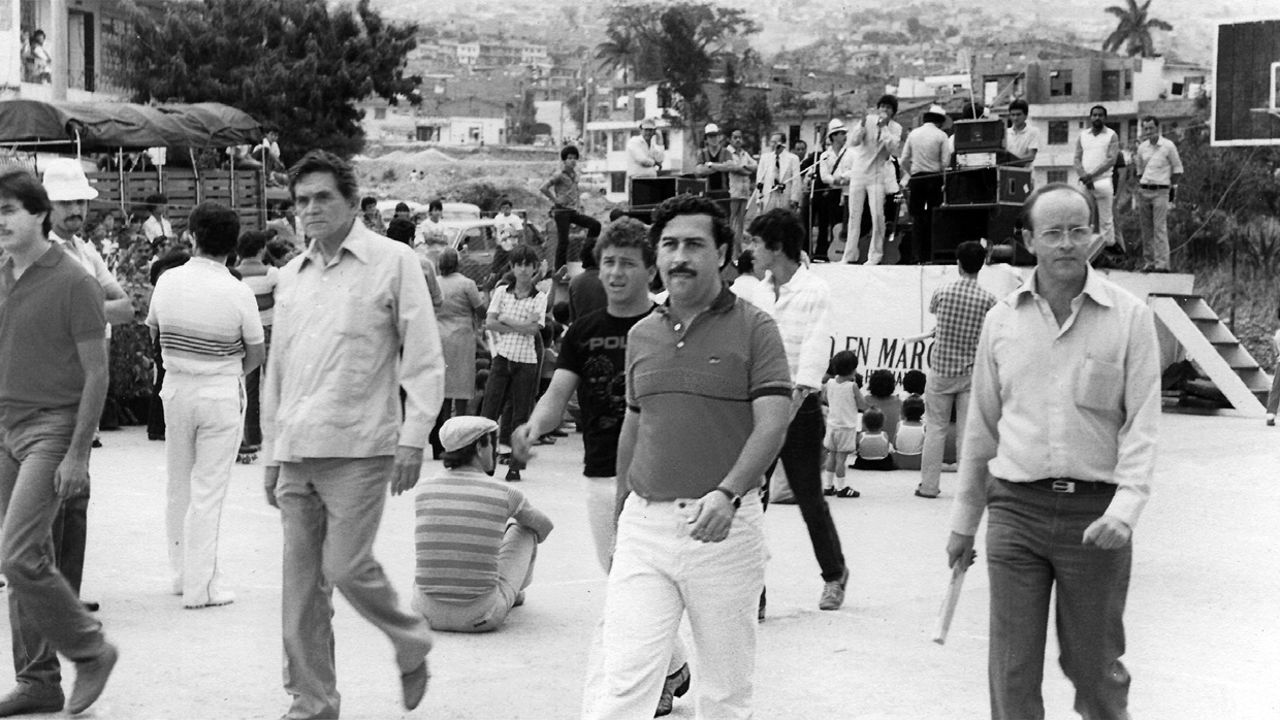
The incident has drawn sharp comparisons to the notorious “La Catedral” prison of the 1990s, where drug kingpin Pablo Escobar enjoyed unprecedented luxuries while in custody. The sheer scale of the party at the Itagüí facility has prompted officials and politicians to question the level of control the state maintains over its maximum-security prisons.
Political Fallout and the Suspension of “Paz Urbana”
The scandal has had immediate consequences for the Colombian government’s domestic policy. The administration of President Petro has suspended dialogues associated with a national project known as Paz Urbana. This initiative was designed to establish agreements with criminal gangs to implement resocialization processes in the most violent neighborhoods of various cities per reports from April 9, 2026.
The suspension follows a formal denunciation by Medellín councilwoman Claudia Carrasquilla, who alerted authorities to the presence of national artists and prostitutes within the prison walls. The revelation that leaders of the very gangs involved in the peace dialogues were the ones hosting the party has created a political crisis regarding the legitimacy of the resocialization efforts.
Manuel Villa Mejía, the Secretary of Security for Medellín, highlighted the severity of the breach by stating that “La Catedral of Pablo Escobar is staying small next to the Itagüí prison” . This comparison underscores the public perception that the state has lost control over the facility, effectively allowing criminals to operate their own social circles and luxury events while serving sentences.
Evidence of Luxury and Lawlessness
Video evidence obtained by news outlets has provided a glimpse into the festivities, contradicting the standard operating procedures of a maximum-security environment. The footage shows Nelson Velásquez interacting with the inmates, many of whom were members of the peace dialogue table in Antioquia .
Beyond the musical performance, the videos revealed the presence of prohibited luxury items, including:
- Large containers of aguardiente (cane liquor).
- Multiple bottles of whisky.
- High-quality food, specifically described as “premium chicharrón” (fried pork belly).
The National Penitentiary and Prison Institute (Inpec) has since confirmed that the performance by Nelson Velásquez was carried out without any official authorization and that such activities are strictly prohibited within correctional facilities .
The Historical Parallel: La Catedral and the 1990s
The public outcry is fueled by the memory of the 1991 surrender of Pablo Escobar. Under the administration of César Gaviria, Escobar was allowed to be incarcerated in a prison of his own choosing, which became known as La Catedral in Envigado . That facility was essentially a luxury residence with escape routes designed by Escobar himself, symbolizing a period of state weakness and corruption.
Critics argue that the events in Itagüí represent a return to this era, where the most dangerous criminals are granted liberties that undermine the judicial system. The fact that these events occurred during an active attempt to negotiate “urban peace” has led to accusations that the government’s approach to criminal gangs is too lenient, effectively rewarding those who are meant to be undergoing resocialization.
Key Takeaways of the Itagüí Prison Scandal
- Unauthorized Event: Vallenato singer Nelson Velásquez performed at a private party inside La Paz prison in Itagüí.
- Financial Scale: Inmates reportedly raised 500 million pesos to fund the event, with 100 million pesos going to the artist.
- Government Response: The Petro administration suspended the “Paz Urbana” dialogues with criminal gangs in Antioquia.
- Security Breach: Prohibited items including whisky, aguardiente, and luxury food were smuggled into the maximum-security facility.
- Political Comparison: Officials have compared the lack of control to the “La Catedral” prison used by Pablo Escobar in the 1990s.
As the Inpec continues to investigate how such an event was coordinated and executed, the Colombian government faces pressure to redefine its strategy for dealing with urban criminal structures. The next phase of the crisis will likely involve official disciplinary actions against prison staff who allowed the breach and a reassessment of the “Paz Urbana” project’s viability.
We invite our readers to share their thoughts on the balance between resocialization and security in the comments below.
Keep reading