
In a striking intersection of art and politics, the legendary songs of the rock opera István, a király (Stephen, the King) have become the soundtrack for opposing political camps in Hungary. Both the governing Fidesz party and the opposition Tisza party are utilizing the cult classic’s music at their campaign events, turning the works of Bródy János and Szörényi Levente into tools for political mobilization.
The use of these songs highlights a rare point of cultural consensus in a deeply polarized landscape. Despite the ideological divide between the parties, the 43-year-traditional rock opera remains a cultural touchstone that resonates across different belief systems and political affiliations. While the music is being used to signal different messages, the creators of the work have expressed a unified, pragmatic stance on its use in the current political climate.
The contrast is particularly sharp given the relationship between the composers themselves. Bródy János and Szörényi Levente, once close collaborators, hold sharply opposing political views—Bródy is known for his anti-government stance, while Szörényi is viewed as pro-government. This ideological rift contributed to their personal estrangement, yet they find common ground in how they handle the unauthorized use of their music by political entities.
Campaign Anthems: Fidesz and Tisza’s Musical Choices
The two parties have selected specific tracks from István, a király that align with their respective campaign narratives. Fidesz has frequently played the song “Mondd, te kit választanál” (Tell me, who would you choose) at its rallies. In contrast, the Tisza party regularly features “Szállj fel, szabad madár” (Fly up, free bird) at its gatherings.
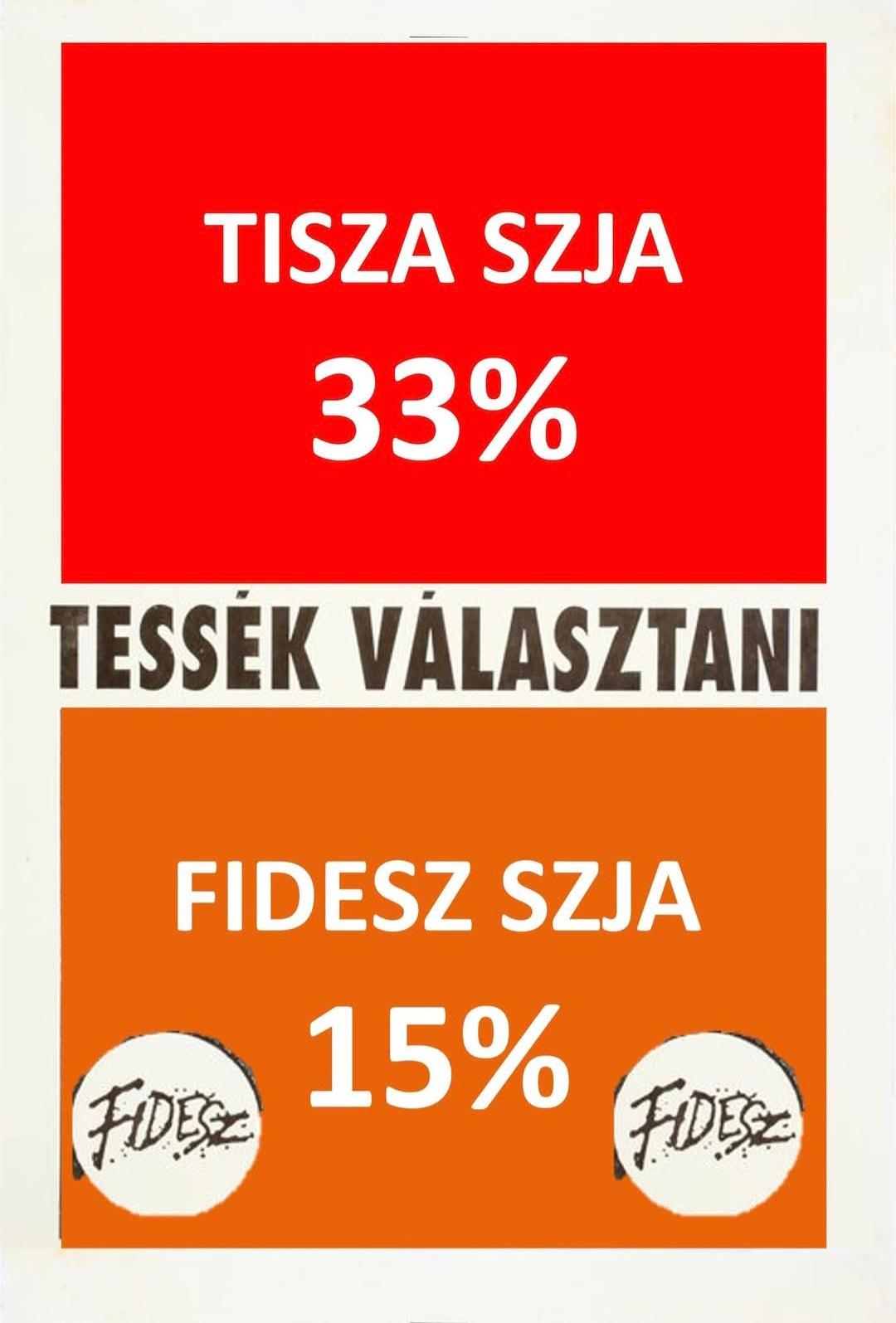
The choice of music is not accidental. The rock opera itself depicts two opposing paths for the Hungarian nation: the paganism represented by Koppány and the Christianity championed by Stephen. These historical and symbolic conflicts mirror the contemporary political struggle in Hungary, where parties use the music to evoke themes of national identity, choice, and freedom.
The Composers’ Response to Political Usage
When questioned about the use of their music for campaign purposes, the creators remained remarkably detached. Kriszta Mentler, the manager for Bródy János, stated that they are aware of the usage but have not considered asking the parties to stop. Mentler noted, “We realize about it, but it never occurred to us to ask them not to do it. Whoever wants to use the recordings that become public can do so, it doesn’t bother us.”
Szörényi Levente offered an even more concise response, stating that he takes note of the usage, provided that the appropriate royalties are paid. This focus on the financial and legal aspects of copyright rather than the political implications suggests a professional boundary between their artistic legacy and the political agendas of the parties utilizing it.
The Legal Framework of Music in Campaigns
The ability of the authors to stop such usage is limited by Hungarian copyright laws and the regulations of the collective management organization. According to the Magyar Szerzői Jogvédő Iroda Egyesület (Artisjus), the legal evaluation differs depending on how the music is used. The playing of a single song at an event is treated differently than if a party were to use the entire work or create a modified version of a song.
Because the parties are playing existing recordings of cult classics, the legal threshold for preventing such use is high, making the composers’ indifference a practical reflection of the legal reality.
Cultural Impact and the Legacy of István, a király
The fact that both Fidesz and Tisza claim these songs as their own underscores the enduring power of István, a király. First premiered 43 years ago, the work has transcended its original theatrical context to become a symbol of Hungarian identity. Its ability to be interpreted by both the right and the left demonstrates that the themes of the rock opera—leadership, faith, and the direction of the nation—remain relevant regardless of the current political era.
For the global observer, this situation illustrates how art can be repurposed to serve conflicting ideologies. While the authors may be divided by politics, their shared agreement to allow the music’s use—provided royalties are settled—shows a commitment to the public nature of their work over the specific political victories of any one party.
Key Takeaways
- Bipartisan Usage: Both Fidesz and Tisza are using songs from the rock opera István, a király in their 2026 campaign events.
- Specific Tracks: Fidesz uses “Mondd, te kit választanál,” while Tisza uses “Szállj fel, szabad madár.”
- Author Stance: Bródy János (via his manager) and Szörényi Levente are not opposing the usage, with Szörényi emphasizing the payment of royalties.
- Ideological Divide: The authors themselves hold opposing political views, mirroring the divide between the parties using their music.
- Legal Context: Artisjus notes that the use of individual songs is subject to different legal interpretations than the use of entire works.
As the campaign continues, the role of cultural symbols like István, a király will likely remain central to how Hungarian parties communicate their vision of the national “path.” The next phase of the campaign will likely see further integration of cultural markers as parties vie for the emotional connection of the electorate.
World Today Journal encourages readers to share their thoughts on the intersection of art and politics in the comments below.