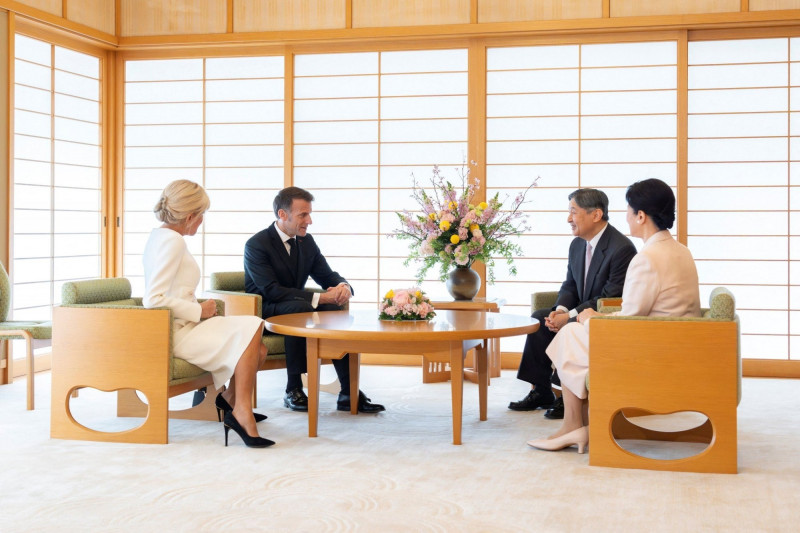
In a security breach that has sent shockwaves through the heart of Tokyo, a Chinese national illegally entered the Japanese Imperial Palace on Friday morning, exploiting a gap in security during the height of the morning commute. The intruder was swiftly apprehended by palace security, but the ease with which he bypassed the first line of defense at one of the world’s most guarded residences has sparked an immediate review of security protocols.
The incident occurred at approximately 8:00 a.m. On April 10, 2026, at the Ote-mon Gate in Tokyo’s Chiyoda Ward, the primary entrance to the residence of Emperor Naruhito [1]. According to reports, the man took advantage of the morning rush hour, blending in with a large crowd of employees entering the palace grounds to avoid the rigorous identity checks typically required for entry [2].
Imperial Guard Police discovered the anomaly shortly after the man had entered. He was intercepted and detained before he could penetrate deeper into the palace’s administrative or private office areas [3]. Preliminary investigations by police confirmed that the individual was not carrying any dangerous weapons, and the breach resulted in no injuries to personnel or damage to property [2].
Security Vulnerabilities at the Ote-mon Gate
The method used by the intruder has highlighted a critical vulnerability in the palace’s security architecture. While the Imperial Palace is surrounded by massive stone walls and moats—remnants of the former Edo Castle—the human element of security remains the most volatile point. Under normal circumstances, every individual entering the palace must undergo a strict identity verification process conducted by security personnel [3].
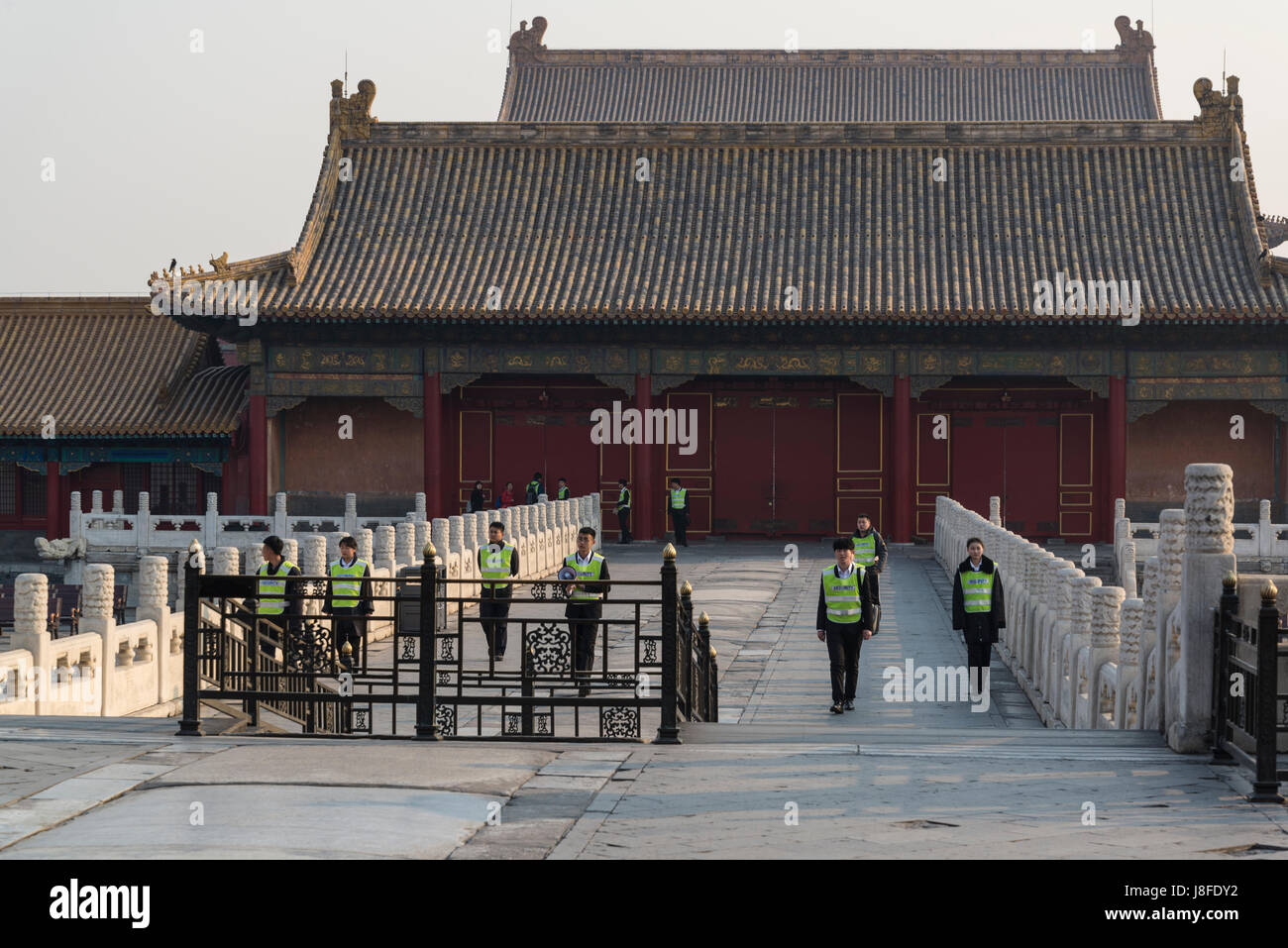
However, the timing of the intrusion suggests a calculated attempt to use “crowd cover.” By entering during the peak employee commute, the man was able to slip past the sentries who were managing a high volume of traffic [2]. This failure to intercept the intruder at the first checkpoint has led to widespread concern regarding the consistency of security screenings during high-traffic periods.
In response to the breach, the Imperial Guard Police have announced an immediate tightening of security measures. Officials stated that they will conduct a comprehensive review of the control processes for commuting staff to prevent similar lapses in the future [3].
Geopolitical Tensions and Diplomatic Friction
The timing of this event is particularly sensitive given the current diplomatic climate between Tokyo and Beijing. This incident follows closely on the heels of another high-profile security breach on March 24, 2026, when a member of the Japan Ground Self-Defense Force allegedly climbed a wall to enter the Chinese Embassy in Tokyo [1].
That prior incident triggered a strong protest from the Chinese Foreign Ministry, heightening tensions between the two East Asian powers. The fact that a Chinese national illegally entered the Japanese Imperial Palace shortly thereafter has added a layer of geopolitical complexity to the criminal investigation, as both nations remain on high alert regarding the security of their respective diplomatic and sovereign sites [1].
Understanding the Significance of the Imperial Palace
For those unfamiliar with the site, the Imperial Palace (Kōkyo) is more than just a residence; This proves the symbolic center of the Japanese state. Located in the heart of Tokyo, it serves as the official office and home of the Emperor. The grounds are divided into private areas and public sections, such as the East Garden, which preserves the ruins of the Edo period’s castle tower [2].
Because the palace represents the continuity of the Japanese monarchy and the state, any unauthorized entry is viewed not merely as a trespass, but as a significant breach of national security. The ability of a foreign national to bypass the initial security perimeter at Ote-mon Gate is therefore viewed as a serious failure by the Imperial Guard [3].
Investigation and Next Steps
The detained Chinese national is currently being interrogated by the Imperial Guard Police. Investigators are working to determine the specific motive behind the intrusion and whether the man had prior knowledge of the security routines during the morning commute [1].
Police are specifically examining whether the intruder acted alone or was part of a coordinated effort to test the palace’s security responses. While no dangerous items were found during the initial search, the investigation remains focused on the “concrete path” the man took to enter and the exact point where the security check failed [2].
The Japanese government has not yet issued a formal diplomatic statement regarding the nationality of the suspect, but the event is expected to be monitored closely by the foreign ministry given the reciprocal nature of recent intrusions involving Chinese and Japanese interests.
The next confirmed checkpoint in this case will be the conclusion of the initial police interrogation, which will determine if formal charges will be filed and whether the suspect will be held for further questioning regarding his motives.
Do you believe high-traffic periods are the “Achilles’ heel” of modern security for sovereign sites? Share your thoughts in the comments below or share this story to join the conversation.
Related reading
- E-Rickshaw vs L5 Electric Auto: Which is Better for Your Fleet?
- Trump Confirms Renewed Talks with Iran, Calling It a “Final Opportunity
- Cincinnati Woman Arrested for Making Bomb Threats to Mississippi Agencies (news-usa.today)
- Malaysian Pilot Arrested With 70,000 Ecstasy Pills at Soekarno-Hatta Airport (archyworldys.com)