Ranking the greatest superhero movies of all time is a task that often feels like trying to herd thunder through a spreadsheet. For over two decades, the genre has expanded from niche comic book adaptations into a dominant cinematic force, evolving into a diverse collection of crime sagas, family comedies, and political allegories. As a journalist who has spent 15 years covering the heartbeat of Hollywood, I’ve seen these films shift from campy serials to “grimdark” blockbusters that challenge our perceptions of heroism.
The difficulty in establishing a definitive list lies in the criteria. Are we measuring the most influential film, the best-crafted piece of cinema, or the one that provides the most emotional impact? Some viewers prioritize the nostalgic thrill of a fan-favorite like Spider-Man: No Way Home, although others argue for the prestige of The Dark Knight, a film that appeals even to those who typically avoid the genre entirely.
From the early days of 1940s matinee staples to the modern “Golden Age” sparked by the arrival of the first X-Men and Sam Raimi’s Spider-Man, the trajectory of the superhero movie is a reflection of pop culture’s obsession with power and justice. Today, we see a landscape where “pop-art fever dreams” like Spider-Man: Into the Spider-Verse coexist with sprawling “Wagnerian apocalypses” such as Avengers: Infinity War.
As we navigate the current era of the Marvel Cinematic Universe (MCU) and the evolving DC Universe (DCU), the conversation has shifted toward a mix of meta-commentary and fresh starts. With the recent introduction of Deadpool & Wolverine and the “DCU igniter” Superman, the industry continues to redefine what a superhero story can be.
The Critical Heavyweights: Animation and Prestige
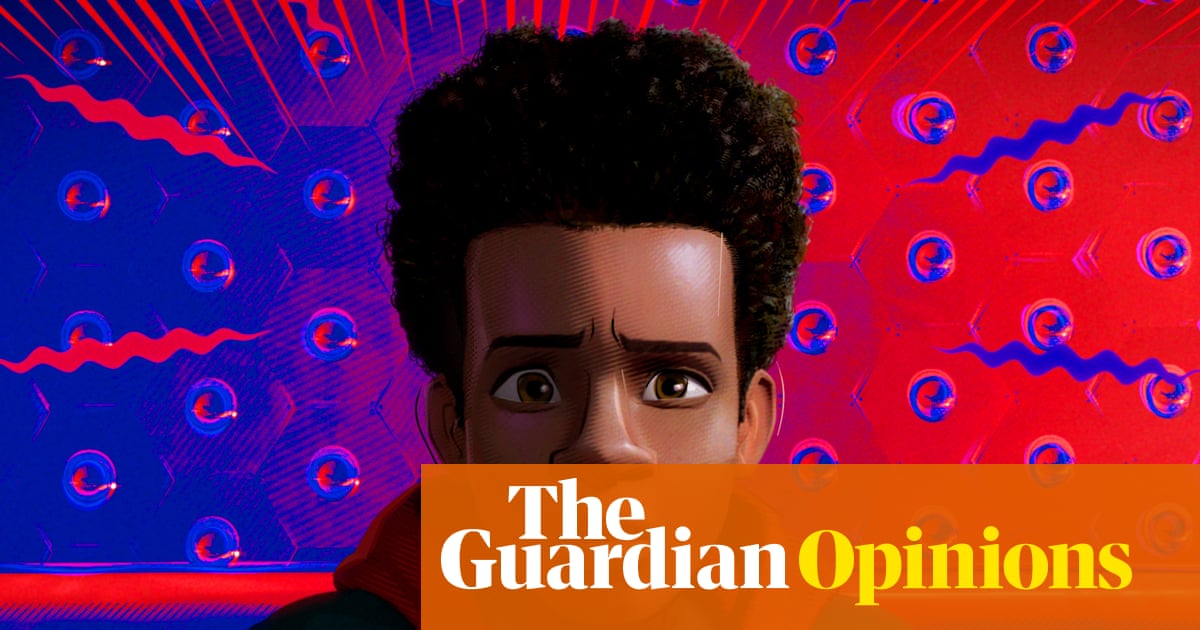
When looking at critical reception, animation has proven to be a powerhouse for storytelling. According to Rotten Tomatoes, Spider-Man: Into the Spider-Verse (2018) holds the top spot in their ranking of the best superhero movies of all time, boasting a 97% Tomatometer score. The film is praised for matching bold storytelling with striking animation, creating an adventure filled with heart and humor.
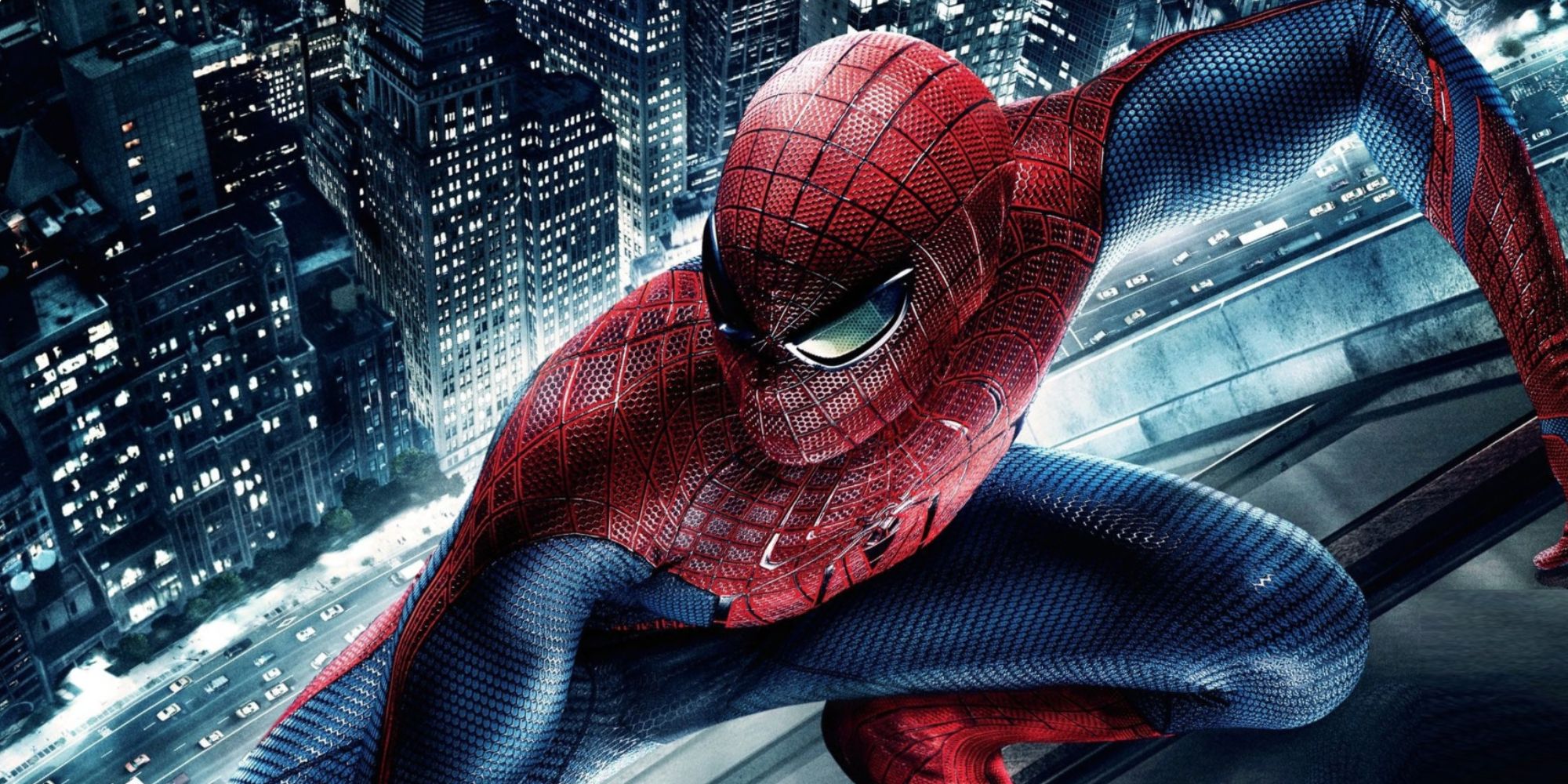
Beyond the animated realm, the “super serious” approach has left a lasting mark. The Dark Knight remains a frequent benchmark for quality, often cited as the film that bridged the gap between comic book fans and general cinephiles. Similarly, the genre has seen success with more offbeat entries, such as Matt Reeves’ The Batman, which leans into a languid, atmospheric style reminiscent of David Fincher.
The breadth of the genre also includes family-centric successes. The Incredibles is frequently highlighted as a prime example of how superhero tropes can be woven into a family comedy, while Guardians of the Galaxy brought a similar sense of humor and heart to the MCU.
The Evolution of the Superhero Epic
The history of superheroes on the big screen is longer than many realize. As noted by Rolling Stone, the obsession began long before the modern era. Early serials such as The Adventures of Captain Marvel (1941), Batman (1943), and Captain America (1944) were matinee staples, and the Man of Steel even had a 15-part adventure in 1948.
This evolution moved from the big screen to television—featuring George Reeves, Adam West, and Bill Bixby—before returning to theaters in the late 1970s and 1980s. By the time the 21st century arrived, these characters had grow universally recognized icons, paving the way for the massive franchise expansions we see today.
Modern entries continue to push boundaries. The DC landscape has seen a resurgence with the first Certified Fresh Superman movie since Superman Returns in 2006, according to Rotten Tomatoes. Meanwhile, Marvel continues to experiment with its lineup, with The Fantastic Four: First Steps scheduled to release following Thunderbolts.
Diverse Narratives and Cultural Allegories
One of the most significant achievements of the superhero genre is its ability to serve as a vehicle for cultural and political commentary. Films like Black Panther, X-Men, and Captain America: The Winter Soldier have moved beyond simple “good vs. Evil” plots to explore complex themes of identity, systemic oppression, and government surveillance.
Even within the established universes, the tone varies wildly. We see the “breezily old-fashioned” charm of Patty Jenkins’ Wonder Woman contrasted against the darker, more grounded approach of films like Logan or Dredd. These variations ensure that the genre can cater to a global audience with vastly different tastes, from those seeking a lighthearted romp to those wanting a gritty crime saga.
Key Genre Milestones
- The Early Serials: 1940s matinee staples like Batman (1943) and Captain America (1944).
- The Prestige Shift: The rise of The Dark Knight as a film that appeals to non-superhero fans.
- Animation Innovation: The critical success of Spider-Man: Into the Spider-Verse with a 97% critic score.
- The Modern Era: The launch of the DCU with Superman and the continued expansion of the MCU.
any “Top 10” list is subjective. Whether a film is ranked by its influence on the industry, its emotional resonance with fans, or its technical mastery, the debate itself is part of the appeal. As the genre continues to swallow cinema whole, the only certainty is that novel masterpieces will continue to emerge, challenging our definitions of what makes a movie “the greatest.”
With The Fantastic Four: First Steps on the horizon, the industry is poised for another shift in the superhero landscape. We seem forward to seeing how these new entries will fare against the established titans of the genre.
What is your definitive top superhero movie? Let us know in the comments and share this article with your fellow fans to start the debate.