
For many, the arrival of spring brings a welcome warmth, but for millions of others, it signals the start of a frustrating battle with itchy, red, and swollen eyes. The instinctive reaction to this discomfort is almost always the same: rubbing the eyes to find immediate relief. Although, what feels like a simple solution can actually lead to severe ocular complications.
Properly managing allergic conjunctivitis requires more than just resisting the urge to rub; it requires an understanding of how the immune system reacts to environmental triggers and the risks associated with improper home care. When the eye’s protective layers are compromised, a condition that begins as a minor seasonal annoyance can escalate into permanent vision threats.
Medical experts warn that the habit of rubbing eyes or attempting to “wash” them with unverified solutions can lead to serious secondary infections and structural damage to the eye. Understanding the distinction between different types of allergic reactions and the specific symptoms to watch for is the first step in protecting your long-term ocular health.
Understanding Allergic Conjunctivitis and Its Triggers
Allergic conjunctivitis is an inflammatory condition that occurs when the immune cells in the conjunctiva—the thin, transparent membrane covering the white part of the eye and the inner eyelids—overreact to specific external antigens. This hypersensitivity triggers an inflammatory response, leading to the characteristic redness and itching associated with the condition according to the Korea Disease Control and Prevention Agency.
Health professionals generally categorize the condition into two primary forms based on the timing and the nature of the triggers:
- Seasonal Allergic Conjunctivitis (SAC): This form typically peaks between April and June. The primary drivers are environmental allergens such as pollen from trees, grass, and other plants as detailed by Seoul National University Hospital.
- Perennial Allergic Conjunctivitis (PAC): Unlike the seasonal variety, this form can occur year-round. The most common trigger is house dust mites, though it can also be exacerbated by environmental changes and fine dust.
In some more severe cases, the condition may manifest as atopic keratoconjunctivitis or vernal keratoconjunctivitis, which often require more intensive medical intervention to prevent long-term damage.
The Danger of Rubbing: From Itching to Corneal Ulcers
The most critical warning from ophthalmologists regarding allergic conjunctivitis is the danger of rubbing the eyes. Whereas the action provides temporary relief by mechanically displacing allergens, it often causes significant trauma to the ocular surface. Professor Yoon Chang-ho of Seoul National University Hospital emphasizes that rubbing the eyes is “strictly forbidden” because it can lead to severe complications via Korea Health Log.
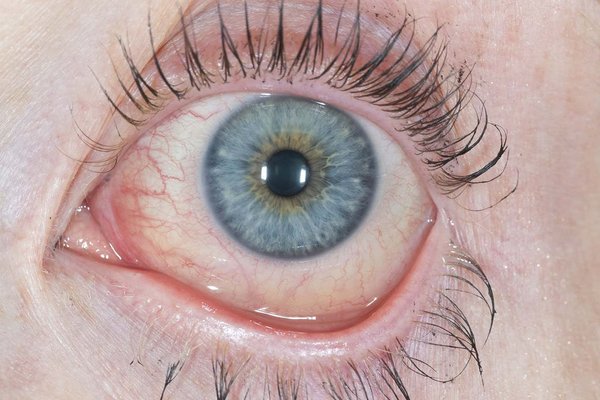
When a person rubs their eyes during an allergic flare-up, they risk inducing corneal damage. This mechanical stress can lead to the development of keratitis (inflammation of the cornea) or, more severely, corneal ulcers. These conditions are far more serious than simple conjunctivitis and can potentially threaten a patient’s vision if left untreated.
many individuals attempt to soothe their eyes using home remedies that can be counterproductive or dangerous. Experts explicitly warn against washing the eyes with tap water or salt water. These substances are not sterile and can introduce new pathogens or irritate the already inflamed conjunctiva, increasing the risk of secondary infection.
Recognizing the Symptoms of Ocular Inflammation
Distinguishing allergic conjunctivitis from other types of eye infections, such as bacterial or viral conjunctivitis, is essential for correct treatment. The hallmark of an allergic response is intense itching, which typically affects both the eyes and the eyelids.
Key symptoms include:
- Conjunctival Congestion: The eyes appear bloodshot or red due to the dilation of blood vessels in the conjunctiva.
- Specific Secretions: Unlike bacterial infections, which often produce thick, yellow discharge, allergic conjunctivitis is characterized by sticky, transparent secretions.
- Physical Swelling: The eyelids or the conjunctiva itself may develop into significantly swollen (chemosis), giving the eye a “puffy” appearance.
- Sensory Discomfort: Patients often report a burning sensation or pain accompanying the itching.
Comparison of Common Eye Secretions
| Symptom | Allergic Conjunctivitis | Bacterial Conjunctivitis |
|---|---|---|
| Discharge Color | Transparent and sticky | Yellow or green |
| Primary Sensation | Intense itching/burning | Grittiness/irritation |
| Onset | Often sudden/seasonal | Gradual or sudden |
Management and Prevention Strategies
The primary goal in managing allergic conjunctivitis is the reduction of the immune response by minimizing exposure to antigens. This approach, centered on allergen avoidance, is the most effective way to prevent the cycle of itching and inflammation.
Effective management strategies include:
- Antigen Blocking: Reducing exposure to pollen, dust mites, and fine dust through the use of protective eyewear or by limiting outdoor activity during peak pollen counts.
- Avoiding Irritants: Strictly avoiding the urge to rub the eyes and eschewing the use of non-sterile water for rinsing.
- Professional Diagnosis: Because the diagnosis relies heavily on understanding the patient’s symptoms and living environment, a consultation with an ophthalmologist is necessary to determine the exact trigger and the appropriate medication.
If symptoms persist over a long period or if a patient notices a change in their vision, immediate medical attention is required to check for complications such as corneal ulcers or keratitis.
Key Takeaways for Eye Health
- Do not rub: Rubbing increases the risk of keratitis and corneal ulcers.
- Avoid tap water: Never wash your eyes with tap water or salt water during an allergic reaction.
- Identify triggers: Seasonal allergies (April-June) are often pollen-based, while perennial allergies are often linked to dust mites.
- Watch the discharge: Transparent, sticky discharge is a hallmark of allergic reactions, whereas yellow discharge may indicate infection.
- Seek expert help: A professional diagnosis is essential to prevent permanent corneal damage.
The next step for those experiencing chronic symptoms is to schedule a comprehensive eye exam to identify specific allergens and establish a long-term management plan. Early intervention is the most effective way to avoid the progression from simple itching to serious corneal injury.
Do you struggle with seasonal eye allergies? Share your experiences or questions in the comments below to join the conversation on ocular health.