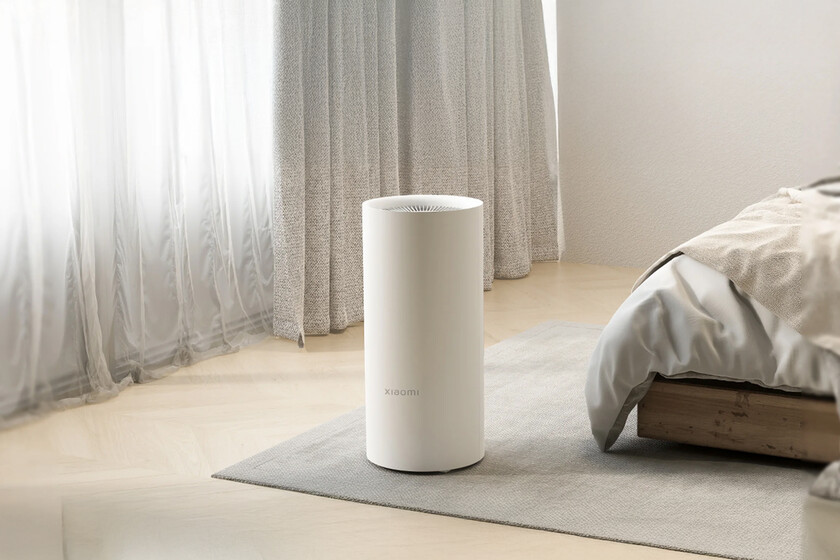
Maintaining a comfortable home environment has evolved from simple temperature control to a sophisticated orchestration of air quality and humidity management. As global climates become more unpredictable, the demand for automated, energy-efficient solutions has surged, leading consumer electronics giants to integrate deeper intelligence into their home appliances.
Xiaomi has recently expanded its ecosystem with new hardware designed to tackle these environmental challenges. By combining high-efficiency cooling with the integration of its proprietary operating system, the company is positioning its latest climate solutions as a central pillar for the modern smart home, focusing specifically on reducing energy footprints while maximizing user convenience.
For homeowners struggling with humidity and air quality, the shift toward “automatic” management is the primary draw. Rather than manual adjustments, the current trend emphasizes devices that sense environmental changes and react in real-time, a capability that is becoming standard in the 2026 hardware cycle.
The New Standing Air Conditioner: Efficiency and Intelligence
A significant addition to Xiaomi’s lineup is the launch of a new standing air conditioner designed to optimize home cooling and humidity control. The device focuses heavily on sustainability, boasting 40% energy savings compared to previous iterations, addressing one of the primary concerns for consumers: the high cost of electricity during peak summer months.

Beyond energy efficiency, the unit is powered by HyperOS. This integration allows the air conditioner to function as part of a broader interconnected network, enabling the “automatic” functionality that allows the device to synchronize with other smart home sensors. This means the system can potentially adjust its output based on the number of people in a room or the current outdoor humidity levels, reducing the need for manual intervention.
Navigating the 2026 Air Purification Landscape
While air conditioners handle temperature and humidity, air purification remains a critical component of home health. In 2026, the market has become increasingly competitive, with a focus on “balanced” performance—devices that offer a strong mix of CADR (Clean Air Delivery Rate), noise levels and filter longevity.
Industry evaluations highlight a shift toward more powerful, expert-tested units. For instance, RTINGS.com has identified the top four air purifiers of 2026, emphasizing the importance of empirical testing in choosing a device that actually improves indoor air quality.
Similarly, TechRadar has analyzed eight powerful purifiers, noting that the “best” unit often depends on the specific needs of the user, such as allergy management or the size of the living space.
Key Considerations for Automated Air Management
When integrating these devices into a home, users should look for specific “automatic” triggers that define a truly smart system:
- Environmental Sensing: The ability to detect particulate matter (PM2.5) or humidity spikes without user input.
- Ecosystem Synergy: How well a device, such as a Xiaomi air conditioner, communicates with air purifiers via a central OS like HyperOS.
- Energy Optimization: The capacity to enter low-power modes when the air reaches the target quality or temperature.
What This Means for the Smart Home
The convergence of air purification and climate control under a single software umbrella (HyperOS) represents a move toward “ambient intelligence.” Instead of managing three separate apps for a dehumidifier, an air purifier, and an air conditioner, the goal is a unified environment that maintains a steady state of comfort automatically.
For the global consumer, this reduces the cognitive load of home maintenance. The “balanced” approach mentioned in recent product discussions suggests that manufacturers are moving away from niche, ultra-high-end machines and toward versatile devices that perform multiple roles efficiently for the average household.
| Feature | New Standing AC | Air Purifier Lineup |
|---|---|---|
| Primary Goal | Cooling & Humidity Control | Air Quality/Filtration |
| Key Innovation | 40% Energy Savings | Balanced Performance/CADR |
| Integration | HyperOS | Smart Home Ecosystem |
As Xiaomi continues to roll out HyperOS across its hardware portfolio, the next checkpoint for consumers will be the further integration of AI-driven predictive climate control, which aims to adjust home settings before the user even notices a change in humidity or temperature.
Do you prioritize energy savings or air purity when upgrading your home appliances? Share your thoughts in the comments below or share this article with someone looking to automate their home climate.
Keep reading