
A critical infrastructure failure in the Weißenburg-Gunzenhausen district of Bavaria has left residents, business owners, and farmers grappling with a prolonged transportation crisis. The Bubenheim railway crossing closure, which severed the direct link between Bubenheim and Wettelsheim, has transformed daily commutes into grueling detours and threatened the operational viability of local enterprises.
What began as a localized technical incident has evolved into a systemic struggle against aging infrastructure. The closure has not only disrupted private vehicle traffic but has forced significant alterations to regional public transit, creating a ripple effect of delays for students and commuters across several villages. As the community waits for a resolution, the situation highlights the precarious nature of relying on legacy technology in essential transport networks.
The disruption is more than a mere inconvenience; for many, It’s an economic burden. With some detours reported to be up to five times longer than the original route, the increase in fuel costs and travel time is mounting. Local stakeholders are now calling for urgent action as they face a timeline that could stretch well into next year.
Technical Failure and the Legacy Infrastructure Gap
The catalyst for the shutdown was a damaged cable, severed during civil engineering work. According to reports, this incident caused further damage to the technology housed within the railway crossing control building in Wettelsheim via BR24. This failure rendered the crossing technically inoperable, necessitating an immediate closure to ensure safety.
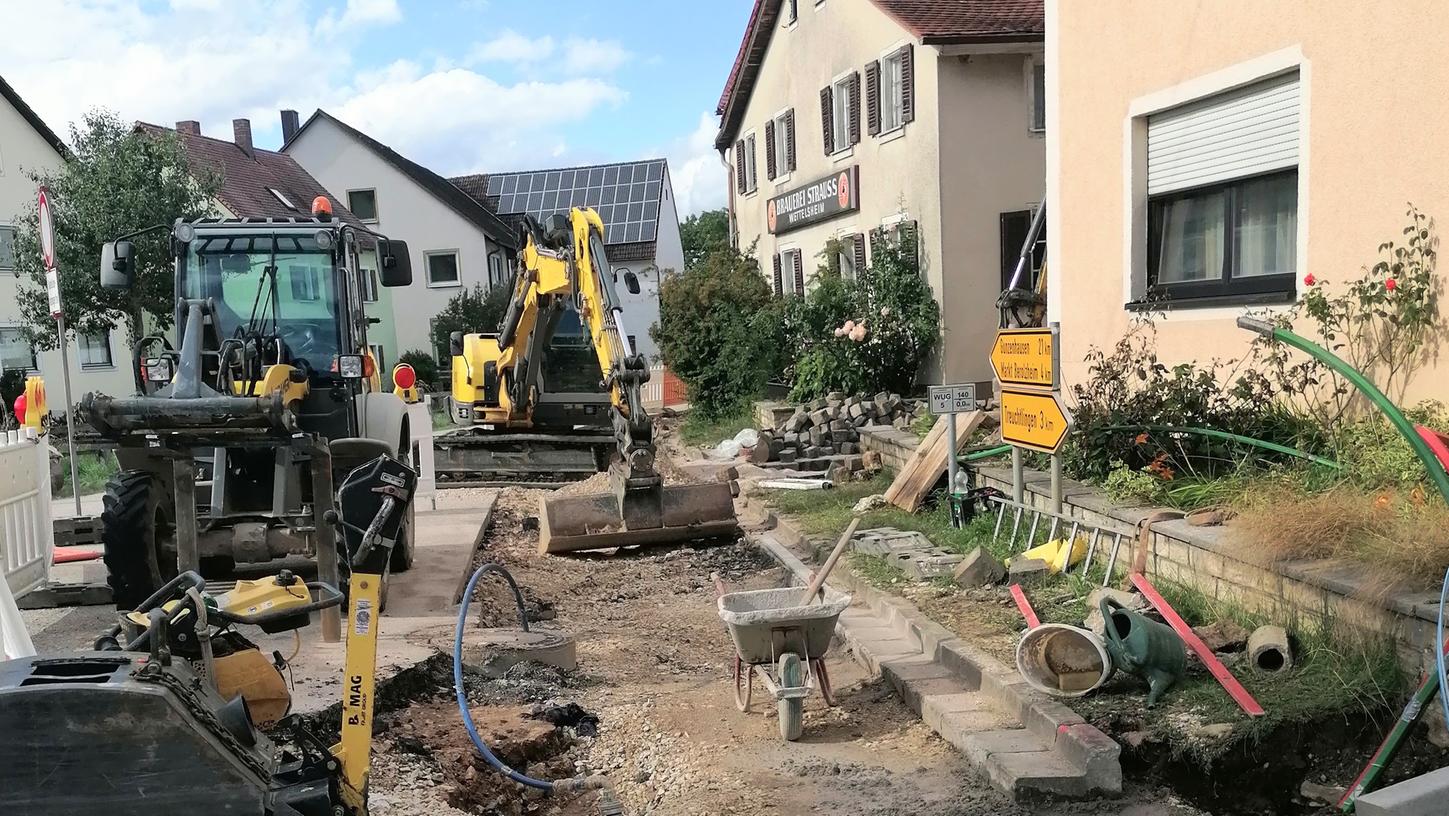
However, the path to a quick fix was blocked by the age of the system. Deutsche Bahn has indicated that a standard repair is not possible because the existing technology is too traditional. This revelation has shifted the strategy from a simple repair to the implementation of a “Hilfs-Bahnübergang” (auxiliary railway crossing). While this temporary solution is currently being tested at another location, the “regulation-compliant implementation” is expected to seize an additional three to four months via BR24.
Economic Hardship for Local Businesses and Farmers
The Bubenheim railway crossing closure has created significant logistical hurdles for the local economy. For entrepreneurs like Walter König, a master smith in Bubenheim, the connection to Wettelsheim is vital for accessing the federal road (Bundesstraße) to facilitate business deliveries. König has described the current state of navigation to his business as an “odyssey,” noting that visitors often have to call ahead just to receive directions on how to reach his shop.
The agricultural sector is facing an even more urgent deadline. Farmers in the region must manage land on both sides of the crossing. Stefan Föttinger, a local farmer, highlighted the crisis facing the community as the grass-mowing season approaches. Starting May 1, farmers may need to make 50 to 60 trips per day across the crossing via BR24. Because the current detours are often unsuitable for heavy tractors and large machinery, Föttinger reported the need for two additional transport teams just to maintain current operations amidst rising fuel prices.
Public Transit Disruptions and Student Impact
Beyond private and commercial transport, the regional bus network has been forced into a costly reorganization. The closure began on Friday, December 5, 2025, and is projected to last until the end of 2026 via VGN.
Bus Line 880.3 has been significantly impacted, as it can no longer pass through the crossing. Instead, the line must now turn around in Bubenheim and take a lengthy detour via Graben and Gstadt to reach Treuchtlingen or return to Wettelsheim. This rerouting has caused substantial delays across the entire line, particularly affecting student transport for the following communities:
- Bubenheim
- Graben
- Windischhausen
- Falbenthal
The inefficiency of this detour has also cascaded into other services. Due to missed connections and overlapping schedules, Line 887 (serving Treuchtlingen, Auerheim, and Polsingen) has also experienced delays via VGN.
Timeline of the Infrastructure Crisis
The current situation reflects a wider challenge in maintaining aging rail infrastructure where a single point of failure can lead to months of disruption due to the lack of compatible spare parts or modern replacements.
| Event/Metric | Detail |
|---|---|
| Closure Start Date | December 5, 2025 |
| Primary Cause | Cable damage during civil engineering; legacy system failure |
| Expected Resolution | Estimated end of 2026 |
| Interim Solution | Auxiliary railway crossing (currently in testing) |
| Affected Transit | Bus Lines 880.3 and 887 |
As the community enters the spring season, the pressure on Deutsche Bahn to expedite the auxiliary crossing increases. The estimated three-to-four-month window for the temporary solution offers a glimmer of hope, though the official closure window remains open until the end of 2026 via VGN.
The next critical checkpoint for the community will be the deployment of the auxiliary railway crossing, which is expected to alleviate the most severe transport bottlenecks if implemented within the projected three-to-four-month timeframe.
Do you live in the Weißenburg-Gunzenhausen district or deal with similar infrastructure challenges in your region? Share your experiences in the comments below or share this article to raise awareness about the impact of aging transport networks.
Worth a look