Establishing a healthy oral hygiene routine for children is more than just a daily chore; it is a foundational health practice that influences their overall well-being. From the moment the first tooth appears, the habits parents instill can prevent chronic issues and set the stage for a lifetime of dental health. For many families, the challenge lies not in the “what,” but in the “how”—transforming a potentially stressful task into a positive, engaging experience.
The stakes are high, as dental caries remain one of the most frequent chronic diseases among children. In fact, approximately 60% of children under the age of six develop at least one cavity, often due to incorrect cleaning habits dentalnetcare.it. Since these issues are entirely preventable, early intervention and the implementation of a consistent routine are the most effective ways to stop the onset of caries, periodontal diseases, and dental malocclusions.
As a physician and health journalist, I have seen how oral health is intrinsically linked to general systemic health. Poor oral hygiene can lead to complications beyond the mouth, potentially affecting the immune system and the heart lemaclinic.com. Dental problems in early childhood can impact a child’s speech development, chewing ability, and self-esteem, making the process of teaching children how to brush their teeth a critical component of pediatric care.
The journey toward a healthy smile begins long before the first tooth emerges. By integrating gentle care from infancy and transitioning to structured brushing as they grow, parents can ensure that oral hygiene becomes a natural, non-threatening part of the child’s daily life.
Starting Early: Oral Care from Infancy to First Teeth
Many parents mistakenly believe that dental care begins only when teeth are visible. However, oral hygiene starts with the gums. In the first few months of life, it is recommended to clean a newborn’s gums after every feeding. This can be achieved using a sterile gauze dampened with water or soft rubber/microfiber finger brushes to remove milk residues and acclimate the baby to the sensation of oral cleaning labbelluccia.it.

Around six months, as the first “tooth bud” or primary tooth appears, the routine must evolve. This is the critical window to introduce a soft-bristled toothbrush specifically designed for infants. At this stage, the parent must take the lead in cleaning, using a small amount of fluoride toothpaste. It is essential that the fluoride concentration is age-appropriate, following the specific guidelines provided by health authorities such as the Ministry of Health labbelluccia.it.
Introducing these habits early facilitates the acceptance of preventive programs. When children are accustomed to oral care from the start, they are less likely to resist the toothbrush later and are better equipped to protect themselves from gingivitis, and decay.
Teaching Children How to Brush Their Teeth: Practical Strategies
Teaching children how to brush their teeth requires a blend of education, supervision, and creativity. Because children lack the manual dexterity to clean every surface of their teeth effectively, parental supervision is essential until the child acquires full autonomy.
To make the process more engaging and less of a struggle, parents can employ several strategies:
- Gamification: Turning brushing into a game or a “treasure hunt” for plaque can reduce resistance and make the experience fun.
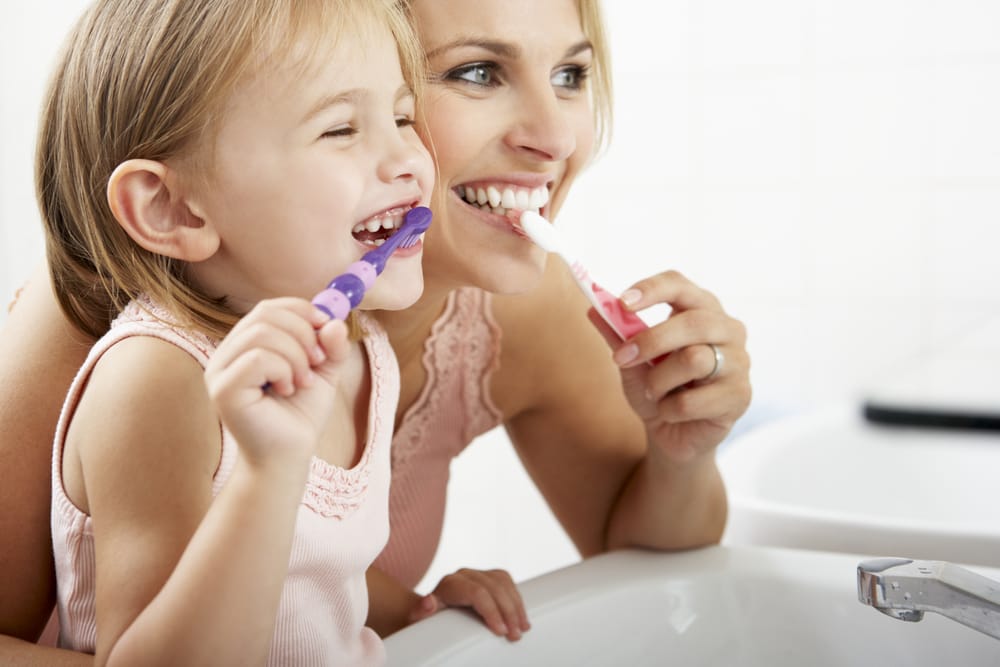
- Modeling Behavior: Children often mimic adults. Brushing your own teeth alongside them demonstrates that oral hygiene is a universal and vital habit.
- Tool Selection: Using colorful brushes and flavored toothpastes (within safe fluoride limits) can make the process more appealing.
- Consistent Scheduling: Establishing a set time for brushing—such as after breakfast and before bed—creates a predictable routine that children can rely on.
Beyond the toothbrush, comprehensive oral hygiene for children includes the use of dental floss. Teaching children to use floss helps remove plaque from areas the brush cannot reach, ensuring that both the teeth and the gums remain healthy lemaclinic.com.
The Role of Professional Care and Preventive Visits
While home care is the primary defense against decay, professional intervention is necessary to ensure long-term health. The first professional dental visit is recommended between 18 and 24 months of age, even if no visible problems are present labbelluccia.it.
These early visits serve several purposes:
- Baseline Assessment: Dentists can identify potential malocclusions or early signs of decay that may not be obvious to parents.
- Professional Cleaning: Removing stubborn plaque and tartar that home brushing may miss.
- Desensitization: Regular visits assist the child become comfortable with the dental environment, reducing anxiety for future procedures.
- Guidance: Professionals can provide tailored advice on the correct amount of toothpaste and the best brushing techniques for the child’s specific developmental stage.
Key Takeaways for Pediatric Oral Hygiene
| Stage | Recommended Action | Primary Goal |
|---|---|---|
| Newborn/Infant | Clean gums with sterile gauze or rubber dital | Remove milk residue; habituate the baby |
| 6 Months+ | Introduce soft-bristled brush and age-appropriate fluoride | Prevent early decay as first teeth emerge |
| 18-24 Months | First professional dental visit | Prevention and early detection of issues |
| Early Childhood | Supervised brushing and introduction of flossing | Develop autonomy and long-term health habits |
The transition from primary teeth to permanent teeth is another critical phase that requires specific attention. During this period, maintaining a strict hygiene regimen is vital to ensure that the permanent teeth emerge into a healthy environment, free from the infections that can be caused by neglected primary teeth.
For parents seeking more information, the next step is to schedule a baseline check-up with a pediatric dentist to establish a personalized prevention plan. We encourage you to share your experiences and tips for making toothbrushing fun in the comments below.
Related reading