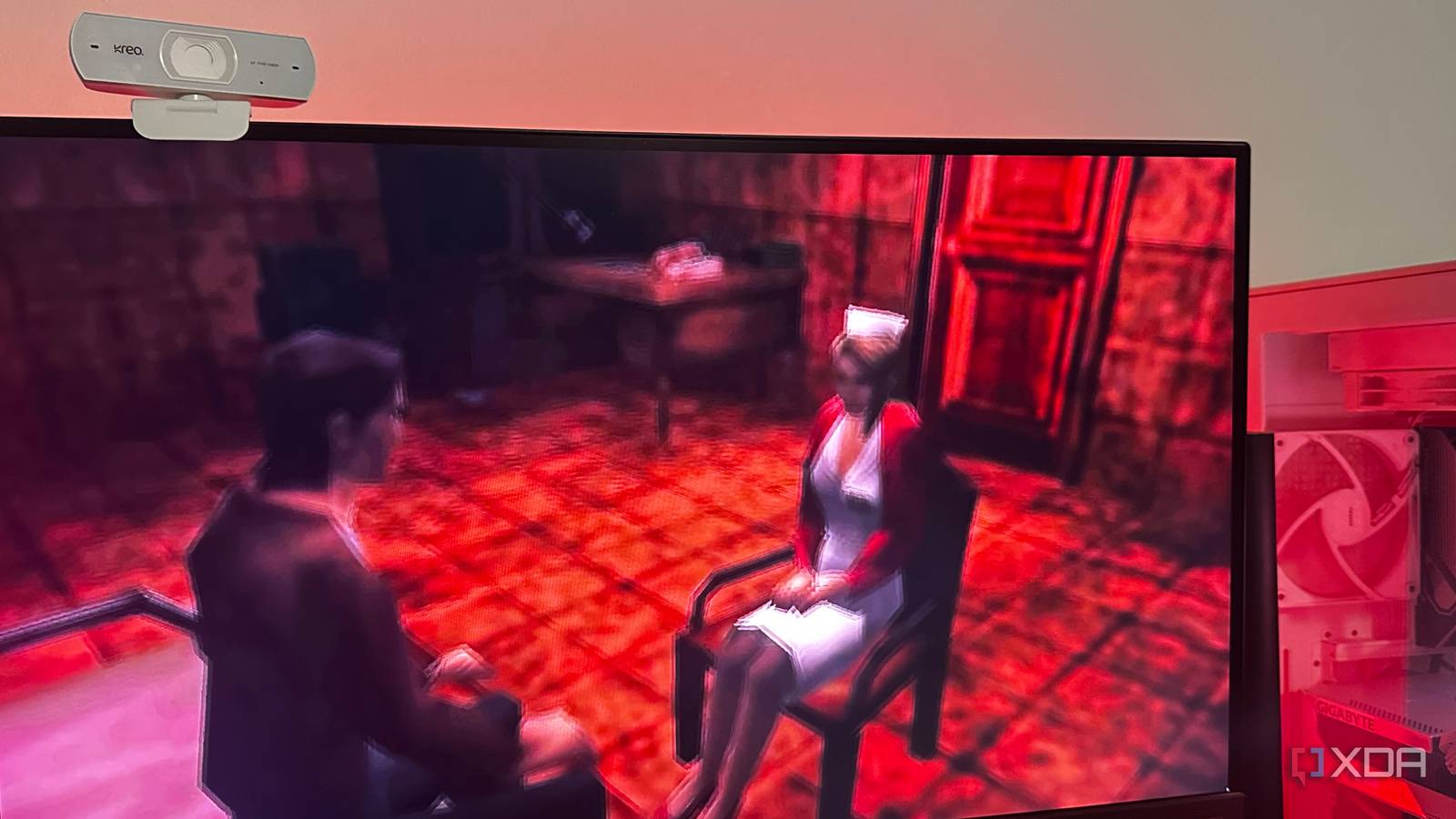
For years, the prevailing sentiment among PC gamers was one of patient anticipation. There was a widespread belief that the inevitable march of technology and shifting corporate strategies would eventually bring every classic console title to the desktop. As the PC platform expanded and publishers began loosening their grip on exclusive catalogs, the dream of a definitive, native PC port for every great game felt like a certainty.
Though, the reality of the industry often tells a different story. Although some back catalogs have made the jump, many legendary titles remain trapped on aging hardware or behind the paywalls of poorly optimized “remasters.” This gap between desire and availability has led a growing number of enthusiasts to abandon the wait for official releases and instead turn to RetroArch for everything, transforming the PC into a universal gaming hub.
By leveraging emulation, users are no longer dependent on the whims of a publisher’s licensing department or the quality of a modern port. Instead of waiting for a “definitive edition” that may never arrive—or one that arrives riddled with bugs—gamers are taking control of their own libraries through a single, unified interface.
The Shift from Native Ports to Emulation
The appeal of a native PC port is obvious: optimized resolution, native controller support, and seamless integration with modern operating systems. Yet, the industry is volatile. As noted in the list of video game publishers, the landscape consists of a complex web of independent companies, and subsidiaries. When a game is owned by a defunct publisher or a subsidiary that no longer prioritizes legacy content, the likelihood of a high-quality port diminishes.

This is where the “RetroArch approach” changes the dynamic. Rather than treating the PC as a destination for ports, users treat it as a powerhouse for emulation. RetroArch acts as a frontend for various “cores”—which are essentially different emulators—allowing a user to switch between a PlayStation 1, Nintendo 64, or Sega Genesis environment within one application.
For many, this is a more reliable path to game preservation. When a publisher decides a game is no longer commercially viable to port, the community-driven nature of emulation ensures the game remains playable. The frustration of waiting for a port is replaced by the immediate gratification of a ROM and a configured core.
Why RetroArch Outperforms the ‘Wait and See’ Strategy
The decision to stop waiting for official PC ports usually stems from three primary pain points: availability, quality, and cost.
Availability: Not every game is a candidate for a remake. Some titles are tied to defunct studios or complicated licensing agreements that make a legal PC release a legal nightmare. Emulation bypasses these corporate hurdles, ensuring that the software can be run regardless of the publisher’s current status.
Quality Control: Even when ports do arrive, they are not always “excellent.” Many modern ports of older games suffer from resolution scaling issues, input lag, or broken save systems. RetroArch allows users to apply their own shaders—such as CRT filters that mimic the look of old televisions—giving the player more control over the visual experience than a developer might provide in a rushed port.
Unified Library Management: Managing a dozen different launchers for a dozen different “classic” ports is cumbersome. RetroArch centralizes the experience. Once the environment is set up, the transition from a PSX title to a SNES title happens in seconds, creating a digital museum of gaming history on a single drive.
The Role of Publishers in the Ecosystem
The relationship between publishers and legacy content is often fraught. Some publishers, such as those listed in global directories, maintain active subsidiaries that handle legacy ports. Others simply let their older titles fade into obscurity. When a company becomes “defunct” or “no longer active in video game publishing,” the original source code for their games often vanishes, making community-led emulation the only viable way to keep those experiences alive.
Understanding the Impact on the Gaming Community
The move toward a “RetroArch-first” mentality reflects a broader trend in the tech industry: the shift toward user-driven preservation. When users stop waiting for official ports, they are essentially voting with their time. The demand for emulation grows as the trust in corporate “remasters” wavers.
This shift affects several stakeholders:
- Gamers: Gain immediate access to history and more control over their visual and technical settings.
- Developers: May find a renewed interest in legacy titles as emulation communities keep their games relevant.
- Publishers: Face a challenge in monetizing old content if the community has already migrated to emulation.
What happens next depends largely on how the industry responds to this demand. We are seeing a rise in “digital preservation” initiatives, but for the individual user, the convenience of a single interface that handles everything from the 8-bit era to the early 2000s is simply too powerful to ignore.
Key Takeaways for the Modern Retro Gamer
- Control: Emulation via RetroArch removes the dependency on publisher timelines and port quality.
- Centralization: A single frontend replaces the need for multiple separate emulators or launchers.
- Preservation: Community-driven cores ensure games remain playable even after publishers go defunct.
- Customization: Shaders and cores allow users to tailor the experience to their specific hardware and aesthetic preferences.
As the industry continues to evolve, the tension between official releases and emulation will likely persist. However, for those who have grown tired of the “coming soon” trailers for ports that never materialize, the shift to a unified emulation setup is more than just a technical choice—it is a liberation from the waiting game.
For those interested in the current state of the industry, the next major checkpoint will be the upcoming quarterly earnings reports from major publishers, which often signal whether legacy catalogs will be prioritized for novel platforms. We invite you to share your thoughts in the comments: Have you given up on official ports, or do you still hold out hope for a native release?
Keep reading