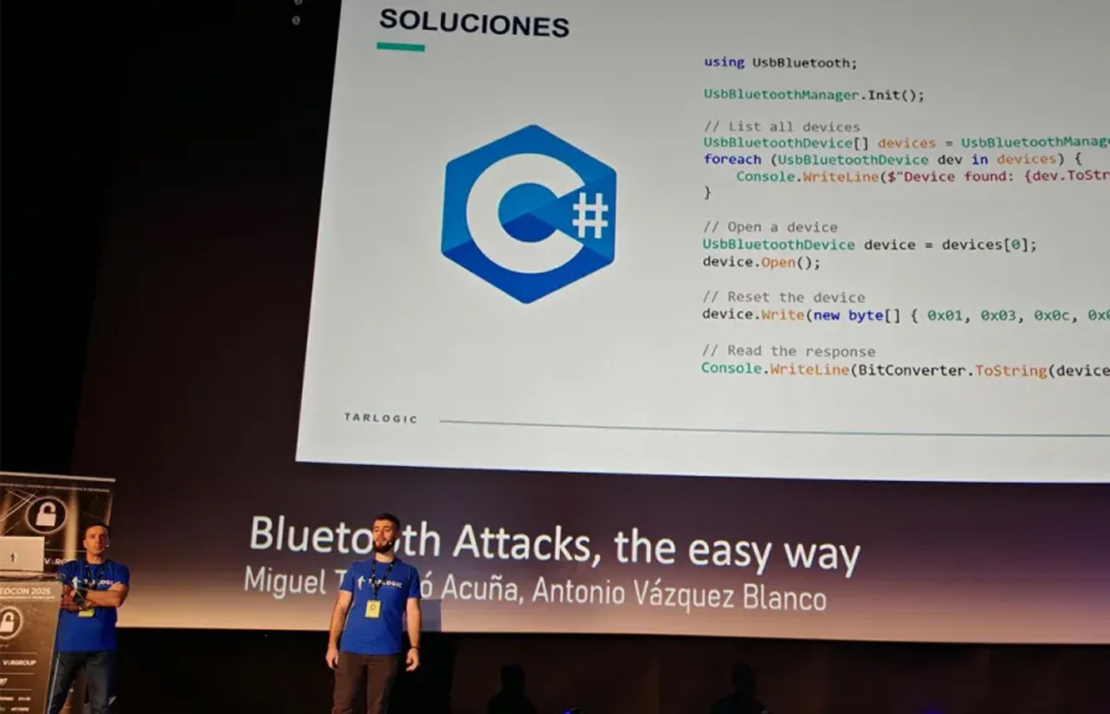
The global landscape of connected hardware is facing a critical security challenge as researchers uncover a vulnerability that leaves billions of devices at risk of hacking and impersonation due to hidden commands. This discovery highlights a systemic weakness in how certain hardware components are developed and deployed, potentially allowing unauthorized actors to seize control of device functions.
At the core of the issue are instructions that were likely intended for hardware debugging but remained exposed in the final production versions of the hardware. These hidden commands provide a backdoor for attackers to manipulate a device’s internal memory, bypass established security controls, and impersonate legitimate devices on a network.
While the vulnerability is particularly acute in widely used microcontroller units, the concept of “hidden commands” is emerging as a broader threat across the technology stack—extending from the silicon in our gadgets to the Large Language Models (LLMs) powering modern AI assistants.
The Hardware Gap: Exposed Opcode Instructions
The primary concern revolves around the discovery of hidden hardware-debugging Opcode instructions. In software and hardware development, Opcodes (operation codes) are the basic instructions that a processor understands. When these debugging commands are left exposed in consumer-grade hardware, they can be exploited by malicious actors to interact with the device at a level that bypasses standard operating system security.
Researchers warn that these exposed commands could be leveraged to perform memory manipulation, a process where an attacker alters the data stored in a device’s RAM to change its behavior or execute unauthorized code. This vulnerability enables device impersonation, allowing a compromised device to masquerade as a trusted entity within a network, which could lead to wider system breaches. Security analysis of ESP32 hidden commands indicates that these risks stem from instructions that were unintentionally left accessible.
The scale of the risk is significant because the affected components are integrated into billions of devices worldwide. When a vulnerability exists at the hardware level, it is often more difficult to patch than a software bug, as it may require firmware updates that not all users apply or, in extreme cases, hardware revisions.
Industry Response and Accountability
The discovery has placed a spotlight on the manufacturing and quality assurance processes of semiconductor companies. In the case of the ESP32 components, the company responsible, Espressif, has not yet responded to inquiries regarding the exposure of these debugging commands. This lack of immediate confirmation leaves a gap in the community’s understanding of whether a formal patch or mitigation strategy is currently in development.
Beyond Hardware: Hidden Commands in AI
While the hardware vulnerability affects the physical layer of technology, a parallel threat is emerging in the realm of artificial intelligence. The concept of “hidden commands” is manifesting as Indirect Prompt Injection, a security flaw that affects AI assistants such as ChatGPT, Gemini, and Claude.
Unlike hardware Opcodes, these hidden commands are embedded within websites or PDF documents. Attackers can hide malicious prompts using white text on a white background or by burying instructions within metadata. Because AI assistants often lack a “BS filter” and treat all ingested text as instructions, they may follow these hidden commands instead of the user’s original request. Research into AI session hijacking shows that this can be used to steal user data or hijack active AI sessions.
Comparing Hardware and AI Vulnerabilities
Though they exist in different mediums, both threats rely on the same fundamental flaw: the execution of instructions that the user is unaware of. In hardware, it is a failure to remove debugging tools. in AI, it is the inability of the model to distinguish between content to be summarized and instructions to be followed.
| Feature | Hardware (e.g., ESP32) | AI (Prompt Injection) |
|---|---|---|
| Mechanism | Exposed Debugging Opcodes | Hidden Text/Metadata |
| Primary Risk | Memory Manipulation & Impersonation | Data Theft & Session Hijacking |
| Impact Scale | Billions of physical devices | Millions of AI assistant users |
| Root Cause | Unintentional hardware exposure | Lack of instruction/content filtering |
What This Means for the Global Tech Ecosystem
The emergence of these vulnerabilities suggests a critical need for “security by design” across all levels of technology. For hardware developers, this means implementing stricter audits to ensure that debugging tools are physically or logically disabled before chips depart the factory. For AI developers, it requires the creation of more robust filters that can differentiate between user-provided instructions and third-party data.

For the average consumer, these threats are often invisible until a breach occurs. The risk of device impersonation is particularly concerning for those using smart-home devices or industrial IoT (Internet of Things) sensors, where a single compromised device could act as a gateway for an attacker to enter a private network.
Practical Steps for Risk Mitigation
- Firmware Updates: Users should regularly update the firmware of their connected devices to ensure that any released security patches for hardware vulnerabilities are applied.
- AI Caution: When using AI assistants to summarize external websites or documents, users should be aware that the AI may be interacting with hidden instructions.
- Network Segmentation: For power users and businesses, placing IoT devices on a separate network (VLAN) can prevent a compromised device from being used to impersonate others or access sensitive data on a primary network.
The vulnerability that leaves billions of devices at risk of hacking and impersonation due to hidden commands serves as a reminder that the complexity of modern tech often creates unforeseen blind spots. Whether it is a forgotten line of code in a microcontroller or a hidden prompt in a PDF, the result is the same: a breach of trust between the user and the tool.
The next critical checkpoint in this story will be the official response from Espressif regarding the exposed Opcode instructions and the subsequent release of any necessary security advisories or firmware patches.
Do you use ESP32-based devices in your home or business? Share your thoughts or questions about these security risks in the comments below.