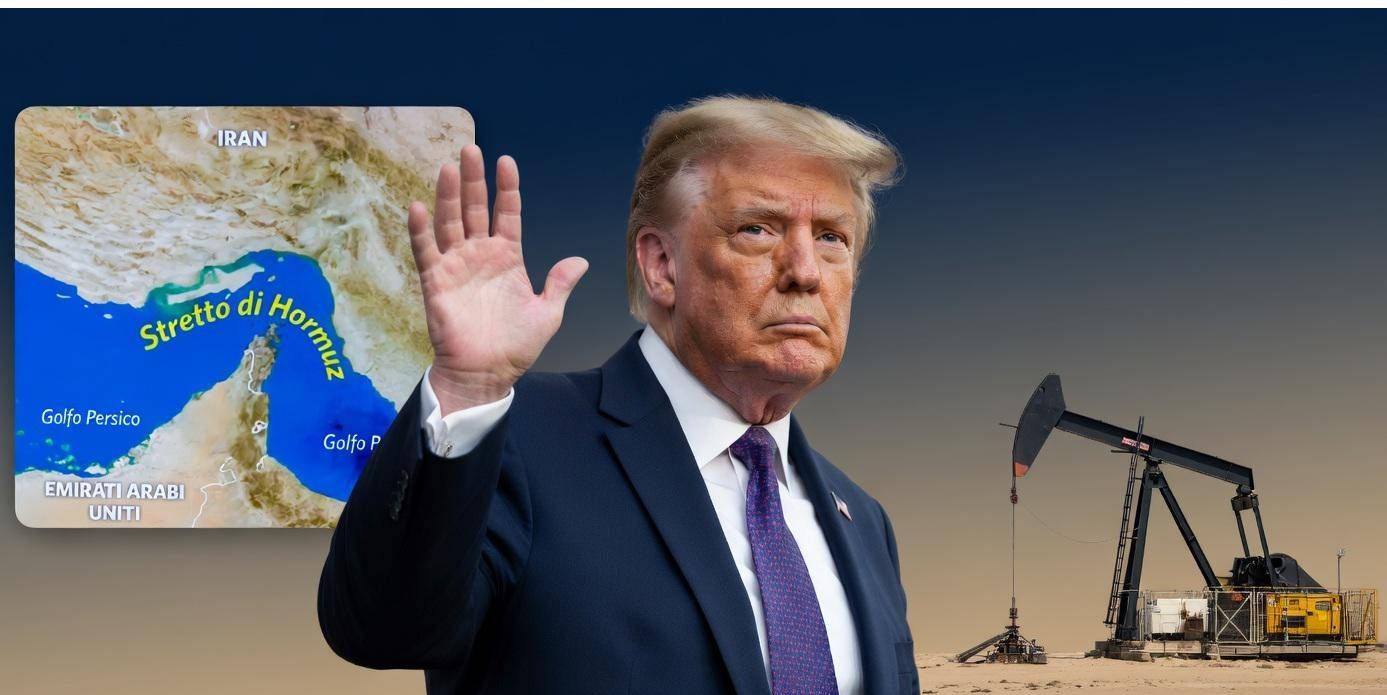
Diplomatic efforts to stabilize the volatile Middle East reached a critical juncture this week as representatives from the United States and Iran convened for a series of high-stakes negotiations in Islamabad, Pakistan. The talks, aimed at establishing a framework agreement, have been marked by a precarious balance of naval posturing and diplomatic deadlock, underscored by the recent crossing of the Strait of Hormuz by two U.S. Navy ships.
Even as the choice of Islamabad as a neutral ground suggests a concerted effort to find a mediated path forward, the proceedings have been fraught with tension. Reports indicate that while the delegations have progressed to the stage of exchanging draft texts for a potential agreement, the process has been severely hampered by what Iranian sources describe as “excessive requests” from the American side and a fundamental disagreement over maritime security in one of the world’s most vital shipping lanes.
The geopolitical stakes are intensified by the assertive stance of the Trump administration, which has signaled that it will not tolerate any restrictions or “tolls” on the transit of vessels through the Strait of Hormuz. This maritime friction, combined with Tehran’s insistence that any deal must move beyond an “Israel First” diplomatic framework, has left the outcome of the Pakistan-mediated talks uncertain.
Naval Maneuvers and the Battle for Hormuz
Central to the current escalation is the movement of U.S. Naval assets. It has been confirmed that two U.S. Navy ships have crossed the Strait of Hormuz, a move that serves as both a strategic signal and a point of contention in the Islamabad negotiations. According to reports from Il Sole 24 Ore, the U.S. Administration has remained firm on its commitment to maintaining open waterways, with Donald Trump explicitly stating that the U.S. Will not permit a “toll” to be imposed on the Strait of Hormuz.

Trump further challenged the strategic necessity of the strait, suggesting that the current situation is a result of a “failing nation” and asserting that alternatives to Hormuz exist. This rhetoric underscores a strategy of diminishing the leverage Tehran holds over global oil transit, shifting the pressure back onto the Iranian leadership during the diplomatic exchanges in Pakistan.
From the Iranian perspective, these naval movements are viewed as an escalation. The Tasnim news agency, which is affiliated with the Islamic Revolutionary Guard Corps (IRGC), reported that the negotiations in Islamabad have been “clouded” by a “grave” dispute regarding the Strait of Hormuz. The IRGC-linked outlet claims that the U.S. Delegation’s demands have been excessive, effectively stalling progress just as the two parties began exchanging the formal drafts of a potential framework agreement.
The ‘Israel First’ Deadlock and Diplomatic Hurdles
Beyond the immediate maritime disputes, a deeper ideological divide persists regarding the role of Israel in regional security. Tehran has signaled that while an agreement with the United States is possible, it will not be reached if the terms are dictated by an “Israel First” policy. Iranian officials have lamented what they perceive as Israeli interference designed to obstruct a successful accord between the U.S. And Iran.
This tension suggests that any framework agreement reached in Islamabad must account for Iran’s regional security concerns and its refusal to accept a U.S. Strategy that prioritizes Israeli interests over a broader regional stability. The complexity of this “three-way” dynamic—involving the U.S., Iran, and Israel—has made the mediation role of Pakistan increasingly tricky.
Despite these hurdles, there are signs that a broader ceasefire may be within reach. Recent reports indicate that a ceasefire proposal mediated by Pakistan, involving the United States, Iran, and Israel, has been accepted, potentially pausing active hostilities while the more granular details of the framework agreement are debated in Islamabad.
Key Points of Contention in the Islamabad Talks
The current state of the negotiations can be summarized by the diverging priorities of the two delegations. While the U.S. Focuses on maritime freedom and the curtailment of Iranian influence, Tehran is focused on the removal of pressures and the rejection of U.S.-Israeli strategic alignments.
| Issue | United States Position | Iran Position |
|---|---|---|
| Strait of Hormuz | No “tolls”; asserts existence of alternatives to the strait. | Views U.S. Naval movements as provocative and “grave” disputes. |
| Regional Alignment | Strong alignment with Israeli security interests. | Rejects “Israel First” line; claims Israeli interference. |
| Agreement Terms | Demands specific conditions (labeled “excessive” by Iran). | Open to agreement if pre-conditions are met and “Israel First” is dropped. |
| Mediation | Engaging via Pakistan-led process. | Engaging via Pakistan-led process. |
What Happens Next?
The diplomatic community is now watching to see if the “draft text” phase can move toward a signed agreement. The next critical checkpoint will be the continuation of the talks in Islamabad, with a specific focus on whether the U.S. Will moderate its “excessive requests” or if Iran will find a way to reconcile its security needs with the U.S. Regional strategy.
With U.S. Navy ships remaining a visible presence in the region and the IRGC maintaining a high state of alert, the window for a diplomatic breakthrough remains open but narrow. The success of the Pakistan-mediated ceasefire will be the primary indicator of whether these talks will lead to a lasting peace or another cycle of escalation.
World Today Journal will continue to monitor the developments in Islamabad and the maritime situation in the Strait of Hormuz. We invite our readers to share their perspectives on these diplomatic efforts in the comments below.