
Navigating the complexities of home ownership often involves more than just managing monthly mortgage payments; it requires a clear understanding of the evolving tax landscape. For many homeowners in Belgium, specifically those within the Flemish Region, the question of which tax benefits for home loans remain available has become a critical point of financial planning.
The shift in fiscal policy over the last few years has fundamentally altered how new borrowers interact with the state’s incentive programs. Whereas the landscape for new loans has tightened, those with older mortgage contracts may still find significant relief through existing regulations. Understanding these distinctions is essential for optimizing a household budget and maximizing available returns.
The core of the current debate centers on the “woonbonus” (housing bonus), a tax reduction that once served as a primary incentive for home buyers. However, the rules have shifted, creating a clear divide between those who entered the market before 2020 and those who have since taken out a loan.
The End of the Woonbonus in Flanders
For residents of the Flemish Region, the most significant change in recent years is the discontinuation of the housing bonus for new loans. According to verified reports, the woonbonus is no longer available for loans contracted since the beginning of 2020 in the Flemish Region. This policy shift means that first-time buyers or those purchasing new homes after this cutoff date cannot claim this specific tax reduction on their mortgage interest.
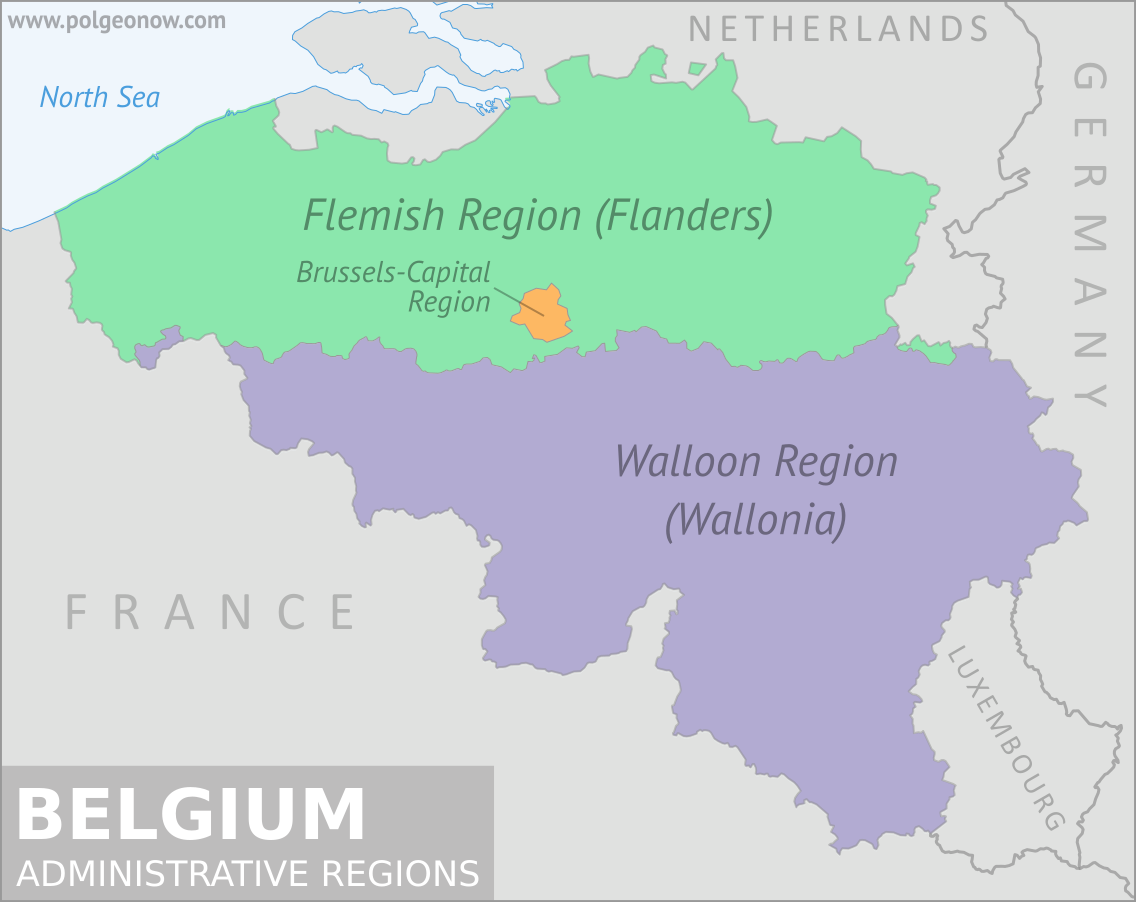
This change marks a transition in how the government encourages home ownership, moving away from direct tax breaks for new borrowers. For those who did secure loans prior to 2020, the rules generally allow them to continue benefiting from the arrangements tied to their specific contract period, though these are subject to the overarching tax brackets of the Belgian system.
Calculating the Impact of Tax Reductions
For those who still qualify for a tax reduction—typically those with older hypothecaire kredieten (mortgage credits)—the actual financial benefit is closely tied to the individual’s income level. The amount of the reduction is not a flat fee but is instead calculated based on the taxpayer’s marginal tax rate.
The calculation depends on the rate at which the highest income bracket is taxed, which ranges from a minimum of 30% to a maximum of 50% based on income brackets. Essentially, the higher the tax bracket of the homeowner, the more significant the absolute value of the tax reduction becomes, as it offsets a larger percentage of their owed taxes.
Key Factors Influencing Your Benefit
- Loan Start Date: Whether the loan was signed before or after the January 2020 cutoff in Flanders.
- Income Bracket: The applicable tax rate (between 30% and 50%) that determines the final amount of the reduction.
- Regional Jurisdiction: Specific rules applied by the Flemish Region versus other Belgian regions.
What This Means for Current Homeowners
The current environment creates a two-tier system for homeowners. Those with “grandfathered” loans continue to observe a reduction in their annual tax liability, effectively lowering the net cost of their mortgage. For these individuals, It’s vital to ensure that their tax filings accurately reflect their loan status to avoid missing out on these reductions.
Conversely, new homeowners must look toward other forms of financial optimization, as the primary tax benefits for home loans in the form of the woonbonus are no longer a factor in Flanders. This necessitates a more rigorous approach to interest rate negotiation and loan structuring, as the state is no longer subsidizing the interest through tax breaks for new contracts.
Summary of Tax Benefit Eligibility
| Loan Period | Woonbonus Eligibility | Primary Determinant of Value |
|---|---|---|
| Before 2020 | Eligible (based on contract) | Marginal Tax Rate (30%-50%) |
| Since 2020 | Not Eligible | N/A |
As tax laws continue to evolve, homeowners are encouraged to monitor official government updates regarding fiscal incentives. The next step for most affected borrowers is to review their most recent tax assessment to confirm that any applicable reductions for older loans are being correctly applied.
We welcome your thoughts on how these tax changes have impacted your home-buying strategy. Please share your experiences in the comments below.
Worth a look