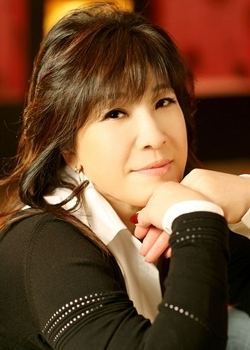
The intersection of professional success and personal longing often creates a complex emotional landscape, particularly for women navigating the biological clock. In a candid reflection on her personal life, renowned singer Noh Sa-yeon recently opened up about the vulnerabilities she faced during the early stages of her marriage, specifically regarding her fears surrounding fertility and the pressures of family expectations.
Speaking during an appearance on the MBN program Sokpuri Reveal Dongchimi, Noh detailed the internal struggle she experienced when marrying her husband, Lee Mu-song. Her story highlights a universal anxiety: the fear of not being able to conceive when starting a family later in life, and the subsequent emotional journey of motherhood and marital evolution.
For many, the narrative of celebrity life is one of seamless glamour, but Noh’s account provides a grounded look at the anxieties of “advanced maternal age” and the guilt that often accompanies a high-pressure career. Her transparency regarding her marriage at age 38 and the dynamics of her relationship offers a poignant look at how partnership and parenting evolve over decades.
Overcoming Fertility Anxiety at Age 38
Noh Sa-yeon revealed that entering marriage at the age of 38 brought significant psychological burdens. While she was established in her career, the prospect of starting a family introduced a layer of uncertainty. She expressed that she was deeply concerned about whether she would be able to conceive, a worry compounded by the fact that her husband, Lee Mu-song, was younger than her according to reports from her appearance on Dongchimi.
Beyond the biological concerns, Noh described a social and familial pressure. She noted that her husband’s side of the family was exceptionally close-knit and harmonious. This familial bond, while positive, created an added sense of responsibility; Noh felt that her ability to have a child was essential for the continued harmony and “functioning” of the family structure. This perception of being the missing piece in a well-oiled family machine added significant weight to her pregnancy concerns.
The Transition to Motherhood: From Worry to “Queenly” Support
The anxiety of the early marriage period was eventually met with relief. Noh shared that she became pregnant just eight months after her wedding. This milestone shifted the dynamic of her relationship with Lee Mu-song, who responded to the news with overwhelming enthusiasm and care.
Noh described this period as the time she felt most like a “queen.” She recounted how her husband was so overjoyed that he would dance and insisted that she avoid walking to ensure her safety. This level of devotion provided a stark contrast to her previous anxieties, transforming her experience of pregnancy into one of extreme luxury and emotional security.
This feeling of empowerment extended to her travels. Noh recalled a trip to the United States where her husband encouraged her to embrace her pregnancy openly, telling her that pregnant women are held in the highest regard in the U.S. And urging her to “push her belly out” with pride. For a woman who had spent much of her life trying to hide her stomach, this encouragement allowed her to experience a sense of liberation and royalty she had never experienced before.
Balancing Career and Motherhood: The Weight of Maternal Guilt
Despite the joy of pregnancy, the subsequent years of raising a child brought a different kind of struggle: the conflict between a demanding professional career and the needs of a growing child. Noh admitted that she was “too busy” during her son’s early years, a reality that led to lasting feelings of regret.
In a heartbreaking detail, Noh recalled how her son would begin to cry the moment his manager arrived. The child associated the presence of the manager with his mother’s imminent departure for work. This memory remains a source of emotional pain for the singer, who frequently apologizes to her son for not spending enough time with him during his childhood.
However, the narrative ends with a sense of healing. Noh shared that her son has since reassured her, stating that he does not remember those difficult times and that he is currently happy with her. This reconciliation highlights the resilience of the parent-child bond and the importance of open communication in resolving maternal guilt.
Redefining Partnership: From Hierarchy to Equality
Noh Sa-yeon also provided a critical analysis of how her marriage dynamics have shifted over time. In earlier years, influenced by the traditional family structures of her youth where her father was the undisputed head of the household, Noh adopted a similar hierarchy in her own marriage. She admitted to placing Lee Mu-song at the “top of the hierarchy,” seeking his permission for her work and obeying his wishes without question as discussed in a February 2026 episode of Dongchimi.

Reflecting on this now, Noh expressed concern that by elevating her husband to such a degree—despite her own status as a highly decorated singer and industry senior—she may have inadvertently “spoiled” or “damaged” him. She suggested that maintaining a clearer boundary between her professional authority and her domestic role might have been more beneficial for his personal growth.
Today, the couple has moved away from this hierarchical structure. Noh described their current household system as one where “each is a king,” suggesting a partnership based on mutual respect and independence rather than submission. She metaphorically described their marriage as “two countries” existing side-by-side, marking a transition from a traditional patriarchal model to a modern, egalitarian partnership.
Key Takeaways from Noh Sa-yeon’s Journey
- Late-Stage Pregnancy Anxiety: Marrying at 38 brought significant concerns regarding fertility, exacerbated by familial expectations and the age difference with her spouse.
- Emotional Support: The role of a supportive partner during pregnancy can transform biological anxiety into a period of emotional empowerment.
- Career vs. Parenting: High-achieving professionals often face “maternal guilt,” but open dialogue with children can lead to emotional resolution.
- Marital Evolution: Shifting from a hierarchy-based marriage to an egalitarian “two kings” system can redefine the health of a long-term partnership.
Noh Sa-yeon’s reflections serve as a reminder that the path to motherhood and a stable marriage is rarely linear. By sharing her struggles with fertility, the guilt of her career choices, and the restructuring of her marital power dynamics, she provides a roadmap for others navigating similar complexities in their personal lives.
As of the latest broadcast on April 11, 2026, Noh continues to share these personal milestones on MBN’s Sokpuri Show Dongchimi, contributing to a broader conversation about modern marriage and the realities of parenting in the public eye.
Do you believe traditional marriage hierarchies hinder personal growth in a relationship? Share your thoughts in the comments below or share this article with someone navigating the balance between career and family.
Related reading