
Poland’s healthcare system is facing a critical juncture as recent funding restrictions from the National Health Fund (NFZ) lead to widespread delays in essential diagnostic imaging and procedures. Starting in April 2026, the NFZ implemented changes to how it finances “over-limit” services—medical procedures performed beyond the initial contractual agreement between the fund and healthcare providers—effectively reducing the reimbursement rates for some of the most critical diagnostic tools.
The shift has triggered an immediate ripple effect across hospitals, with patients reporting that appointments are being postponed or canceled with little notice. For many, these NFZ funding cuts for diagnostic tests represent more than a bureaucratic shift; they are a direct threat to timely diagnosis and treatment for life-threatening conditions. Hospital directors have warned that they are being forced to limit the number of tests they perform to avoid unsustainable financial losses.
Under the new regulations, the NFZ has reduced payments for specific procedures performed over the limit. Specifically, the fund now pays only 60 percent for gastroscopies and colonoscopies, and 50 percent for MRI scans and CT scans performed beyond the contract limit according to reports from Rzeczpospolita. These measures are part of a broader effort to control healthcare spending as the system faces increasing financial pressure.
The human cost of these austerity measures is becoming evident. In Puławy, for instance, patients have reported appointments for MRI scans being pushed back by weeks. One patient noted that an appointment scheduled for April 3 was moved to May 20 as detailed by Rzeczpospolita. Marek Paździor, the director of the hospital in Puławy, confirmed that these delays are a direct consequence of the reduced financing for over-limit diagnostic tests.
The Financial Mechanism Behind the Crisis
To understand the current crisis, it is necessary to examine the “over-limit” (nadwykonania) system. Previously, the NFZ typically paid hospitals for the actual number of tests performed at the conclude of each quarter, regardless of the initial limit set in the contract. This allowed hospitals to treat more patients than originally budgeted, knowing the fund would eventually cover the costs.
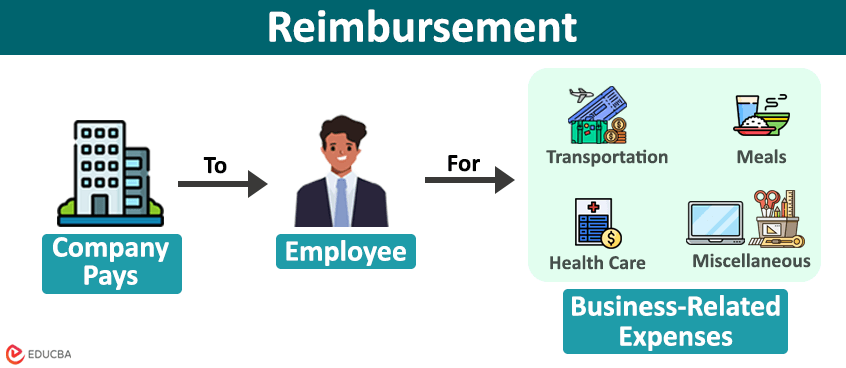
The new policy disrupts this cycle. By slashing the reimbursement rate for these extra services, the NFZ is effectively discouraging hospitals from exceeding their quotas. When a hospital performs a CT scan or MRI beyond its limit, it now absorbs a significant portion of the cost, which creates a financial deficit for the institution. Hospitals are opting to postpone tests rather than operate at a loss.
This financial pressure is compounded by broader budgetary challenges. In March 2026, the Ministry of Health indicated that the NFZ would require a subsidy of 30 billion PLN to fund services for the year, an increase from the initial estimate of 26 billion PLN according to Portal Samorządowy.
Long-term Fiscal Constraints and the 2027 Outlook
The current funding cuts are not an isolated incident but a precursor to more stringent fiscal rules. Starting January 1, 2027, new regulations will introduce an “extended stabilizing expenditure rule” (rozszerzona stabilizująca reguła wydatkowa – SRW) to the NFZ’s finances as reported by Portal Samorządowy.
Economists, including Łukasz Kozłowski of the Federation of Polish Entrepreneurs, warn that these rules will make it significantly harder for the government to fill budget gaps during the year. Historically, the NFZ has been supported by budget subsidies and the issuance of treasury bonds to settle payments for performed services. Under the new SRW rules, such operations—specifically those that are not direct budget subsidies—could be viewed as violations of the expenditure rule.
This shift suggests a future where the NFZ has less flexibility to cover unexpected costs, potentially leading to a permanent reduction in the number of available medical services. Experts argue that current financial plans are systematically underestimated, failing to reflect the actual needs of the population and the tasks imposed on the Fund.
Impact on Patients and Healthcare Providers
The immediate impact of these policies is a growing queue of patients waiting for critical diagnostics. The reduction in funding for MRI and CT scans is particularly damaging because these tools are essential for diagnosing cancer, neurological disorders, and cardiovascular issues. When these tests are delayed, the window for effective treatment often closes.
Healthcare providers are caught between the ethical obligation to treat patients and the financial reality of underfunding. Some hospitals have reportedly exceeded their “norms” by massive margins—in one instance, a hospital reportedly performed 619 percent of its allocated norm—only to find that the funding for those extra services is no longer guaranteed or sufficient.
While the NFZ continues to promote preventative care and new e-learning initiatives for medical staff—such as a course on behavioral approaches to treating type 2 diabetes released on April 9, 2026 via the official NFZ portal—the fundamental issue of diagnostic access remains unresolved. The contradiction between promoting health and restricting the tools needed to diagnose illness is a central point of contention for patient advocates.
Summary of Reimbursement Changes (April 2026)
| Procedure Type | New Reimbursement Rate (Over-Limit) |
|---|---|
| Gastroscopy | 60% |
| Colonoscopy | 60% |
| MRI (Magnetic Resonance Imaging) | 50% |
| CT (Computed Tomography) | 50% |
The current situation reflects a systemic struggle to balance a national health budget with the rising demands of an aging population and the high cost of modern medical technology. As the 2027 fiscal rules approach, the pressure on the NFZ to find “savings” is likely to increase, raising fears that the current cuts to diagnostic funding are only the beginning of a larger contraction in public healthcare access.
The next critical checkpoint for the healthcare system will be the implementation of the extended stabilizing expenditure rule on January 1, 2027, which will fundamentally alter how the NFZ manages its deficits and subsidies.
World Today Journal encourages readers to share this report and leave comments regarding their experiences with healthcare access in Poland.
Related reading
- 2007 Hrádek Attempted Murder Solved After 19 Years, but Perpetrator Cannot Be Prosecuted
- Exploring the Best Foods to Eat in the UK
- Healthcare Support Job in Florence, South Carolina | MUHA (news-usa.today)
- South Africa’s Public Investment Corporation Faces Governance Crisis Amid CEO Suspension (time.news)