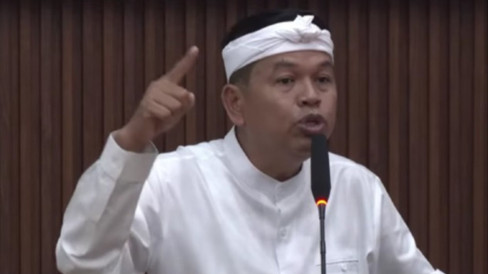
A high-stakes confrontation over public access and local governance has unfolded at the Cirahong Bridge, a critical link between the Ciamis and Tasikmalaya regencies in West Java. The dispute centers on the removal of illegal levies, known locally as pungli, by West Java Governor Dedi Mulyadi, a move that has sparked a sharp backlash from local village leadership.
The conflict ignited after videos documenting the unauthorized collection of fees from travelers began circulating on social media. In a swift response to the public outcry, Governor Dedi Mulyadi intervened to ensure the bridge remained free for all users, asserting that public infrastructure should not be subject to arbitrary charges.
Even as the Governor’s actions were welcomed by the general public, they have created a rift with the administration of Margaluyu Village. The resulting tension highlights a broader struggle between provincial reform efforts and entrenched local practices in the region.
The Crackdown on Cirahong Bridge Illegal Levies
The intervention by the West Java provincial government reached a turning point on Sunday, April 5, 2026, when officials installed banners across the bridge area. These signs explicitly stated “Tidak Dipungut Biaya” (No Fee), serving as a formal declaration that the access route is free from any form of payment according to reports from tvOneNews.
The Cirahong Bridge is not merely a transit point but a vital artery connecting two regencies. For years, the presence of informal tolls has been a point of contention for commuters and tourists. By formalizing the “no-fee” policy, Governor Dedi Mulyadi aimed to eliminate the financial burden on travelers and curb the systemic issue of pungli that often plagues rural infrastructure in Indonesia.
Local Resistance and Calls for Prosecution
The Governor’s reform has not been met with universal approval. Dian Cahyadinata, the Village Head (Kades) of Margaluyu in the Manonjaya District of Tasikmalaya Regency, has expressed strong objections to the removal of the levies as detailed by tvOneNews.
Rather than supporting the provincial mandate, Cahyadinata has called for the identification and arrest of the individuals who first shared the viral videos of the illegal levies. The Village Head argued that the uploaders should be summoned and questioned to determine their motives for spreading the information.
Cahyadinata has specifically urged law enforcement to utilize cyber-tracking capabilities to locate the account responsible for the initial post. This demand for prosecution against a whistleblower has drawn scrutiny, as it pits the desire for local control against the provincial government’s commitment to transparency and the eradication of corruption.
Vision for a Sundanese Tourism Hub
Despite the friction with local leadership, Governor Dedi Mulyadi is moving forward with a larger strategic plan for the area. Beyond simply removing illegal fees, the Governor is overseeing the reorganization of the Cirahong Bridge into a designated tourism zone according to Kompas.com.
The proposed development aims to integrate a “Sundanese nuance” into the bridge’s surroundings, transforming a site of conflict into a cultural landmark. This plan includes:
- Aesthetic Improvements: Enhancing the visual appeal of the bridge and its approach roads to attract more visitors.
- Cultural Integration: Incorporating traditional Sundanese architectural and artistic elements to promote regional identity.
- Economic Transition: Shifting the local economy from predatory levies to sustainable tourism-based revenue.
By repositioning the bridge as a tourist destination, the provincial government hopes to provide legitimate economic opportunities for the residents of Margaluyu and surrounding areas, effectively replacing the illegal pungli system with a formal tourism economy as reported by detikcom.
Governance and the Impact on Public Access
The situation at Cirahong Bridge serves as a microcosm of the challenges facing regional governance in West Java. The clash between Governor Dedi Mulyadi and Village Head Dian Cahyadinata illustrates the tension between top-down provincial mandates and bottom-up local administration.
For the thousands of motorists who employ the Ciamis-Tasikmalaya connection, the primary impact is the restoration of their right to free movement. The removal of illegal tolls reduces the cost of travel and eliminates the harassment often associated with informal checkpoints.
However, the call by the Margaluyu Village Head to prosecute the whistleblower introduces a chilling effect on community reporting. In many parts of Indonesia, social media “viralization” has become a primary tool for citizens to report corruption when formal channels fail. The attempt to criminalize this process may discourage other citizens from reporting similar abuses in other districts.
Key Takeaways of the Cirahong Bridge Dispute
| Stakeholder | Position/Action | Primary Objective |
|---|---|---|
| Gov. Dedi Mulyadi | Removed illegal levies; installed “No Fee” signs. | Public access and tourism development. |
| Dian Cahyadinata (Kades) | Opposed removal; requested arrest of whistleblower. | Local control and investigation of “motives.” |
| General Public | Viralized reports of pungli. | Transparent, free access to public infrastructure. |
As the provincial government continues its efforts to remodel the bridge into a Sundanese-themed attraction, the legal standing of the whistleblower remains a point of contention. The outcome of this specific case may set a precedent for how “citizen journalism” and social media reports are handled by local officials in West Java.
The next phase of the project involves the physical layout of the tourism area and the potential implementation of further security measures to prevent the resurgence of illegal levies. Official updates regarding the tourism zoning and any potential police action regarding the viral videos are expected from the West Java provincial administration in the coming weeks.
World Today Journal encourages readers to share their views on the balance between local village authority and provincial oversight in the comments below.