The digital transformation of the music industry has promised a democratic era of discovery, yet for many creators, the financial reality of the streaming age remains stark. As platforms like Spotify dominate global consumption, a growing debate centers on the music streaming payout rates and whether the current economic model provides a sustainable living for artists who are not in the top fraction of a percent of global stars.
The disconnect between popularity and profitability is highlighted by the experiences of various artists navigating the platform’s complex royalty structures. While millions of streams can signal a massive reach, the actual translation of those numbers into currency often leaves musicians struggling to cover basic production costs, sparking calls for a more transparent and equitable distribution of wealth within the tech-driven ecosystem.
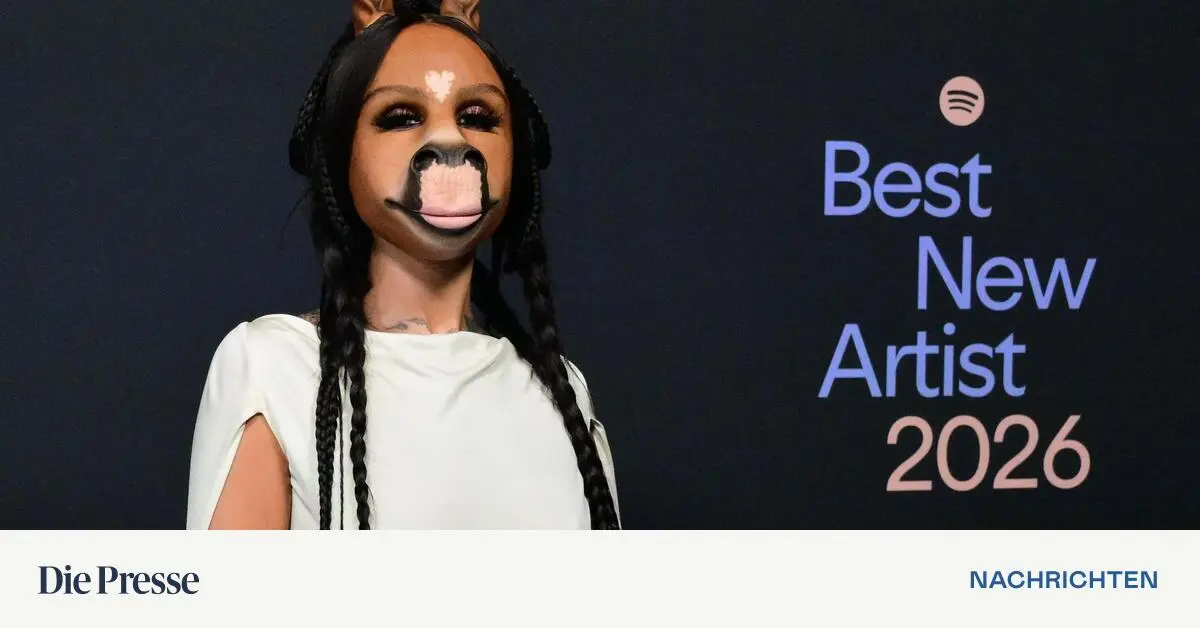
This tension is exemplified by artists like Karol Conká, whose presence on the platform demonstrates the gap between listener metrics and financial gain. According to data from Spotify, Conká currently maintains 242,800 monthly listeners. Despite this significant audience, the broader conversation around streaming suggests that such numbers do not necessarily equate to a substantial income.
The Economics of the ‘Per-Stream’ Model
One of the most contentious points in the streaming debate is the estimated value of a single play. Some reports and artist claims, such as those from LGoony, suggest that a single stream on Spotify may yield as little as 0.3 cents. This fractional payment model means that an artist requires millions of plays just to earn a modest sum, a hurdle that remains insurmountable for the vast majority of independent creators.

The complexity of these payouts is further obscured by the “pro-rata” model used by many major services. In this system, all revenue is pooled and distributed based on the total share of streams across the entire platform, rather than paying artists based on the specific subscriptions of the users who listen to them. This often results in a “winner-take-all” scenario where the highest-charting global hits capture the lion’s share of the revenue pool.
For an artist like Karol Conká, the data shows a diverse catalog of tracks with varying levels of success. According to Kworb.net, her song “Tombei” has amassed 27,223,174 streams, while other tracks like “Nossa Que Isso” and “É o Poder” have also crossed the 14-million-stream threshold. Even with these millions of plays, the net earnings after distributor and label cuts can be surprisingly low.
Analyzing the Impact on Independent Artists
The impact of these payout structures is most felt by mid-tier and independent artists who lack the massive corporate backing of major labels. While a global superstar can supplement streaming losses with stadium tours and high-value endorsements, independent musicians often rely more heavily on digital royalties to fund their next recording session.
The reliance on streaming as a primary discovery tool has created a paradox: artists are more visible than ever, but the cost of that visibility is a diminished return on their intellectual property. This has led to a shift in how musicians approach their careers, with many treating streaming as a marketing expense—a way to build a brand—rather than a direct source of revenue.
Key factors affecting the final payout include:
- Distribution Agreements: The percentage taken by the distributor or record label before the artist receives their share.
- User Subscription Tier: Whether the listener is on a paid premium account or a free, ad-supported tier.
- Geographic Location: Payout rates can vary based on the country where the listener is located.
The Gap Between Reach and Revenue
To understand the scale of the challenge, one can gaze at the streaming totals for established artists. Karol Conká’s total streams, as of March 7, 2026, are recorded at 208,164,058, with 141,464,133 as a lead artist and 66,699,925 as a featured performer, according to Kworb.net. While these numbers are impressive, the daily stream counts—such as the 23,610 total daily streams recorded for her—illustrate the volatility of digital consumption.
This volatility makes financial planning nearly impossible for artists. A song might go viral for a week, generating a spike in revenue, only to drop off as the algorithm shifts toward new trends. This “algorithmic dependency” means that artists are not just fighting for listeners, but for the favor of the software that determines who gets heard.
the sheer volume of content being uploaded daily makes it harder for artists to maintain the “critical mass” of streams necessary to earn a living wage. With platforms hosting millions of tracks, the competition for a limited pool of royalty money is fiercer than ever.
Alternative Revenue Streams
Given the limitations of streaming payouts, many artists are diversifying their income. The shift toward “direct-to-fan” models is becoming more prevalent, including:
- Merchandise Sales: Selling physical goods directly to listeners via online stores.
- Crowdfunding and Memberships: Using platforms that allow fans to pay a monthly subscription for exclusive content.
- Live Performances: Returning to the traditional model of touring and ticket sales as the primary income driver.
- Sync Licensing: Placing music in films, commercials and video games, which often pays significantly more than millions of streams.
The goal for many is to move the listener from a “passive” streaming experience to an “active” financial relationship. When a fan streams a song, the artist earns a fraction of a cent. when that same fan buys a vinyl record or a t-shirt, the artist earns a meaningful profit.
What This Means for the Future of Music
The ongoing struggle over streaming royalties is more than just a financial dispute; We see a question of the value of art in the age of Big Tech. As artificial intelligence continues to flood platforms with generated content, the competition for human attention—and the associated revenue—will likely intensify.
Industry advocates continue to push for “user-centric” payment models, where a subscriber’s monthly fee is divided only among the artists they actually listened to, rather than being pooled into a global pot. This would theoretically ensure that niche artists with a loyal, dedicated following are paid more fairly than they are under the current pro-rata system.
For the global audience, this means the way we consume music has a direct impact on the artists we love. While the convenience of a single app providing access to the world’s music library is undeniable, the economic cost is often borne by the creators themselves.
| Metric | Value/Count | Source |
|---|---|---|
| Monthly Listeners | 242,800 | Spotify |
| Total Streams (Cumulative) | 208,164,058 | Kworb.net |
| Top Track Streams (“Tombei”) | 27,223,174 | Kworb.net |
| Total Songs Listed (Genius) | 96 | Genius |
As the industry evolves, the focus will likely shift toward more transparent reporting and a broader array of monetization tools for creators. Until then, the gap between a “hit” on a dashboard and a sustainable paycheck remains a defining challenge for the modern musician.
The industry awaits further updates on royalty negotiations and potential legislative changes regarding digital copyright and fair pay for artists. We will continue to monitor these developments as they unfold.
Do you believe streaming services pay artists enough? Share your thoughts in the comments below and share this article with other music lovers.
Related reading