
Navigating the early years of a child’s dental health often involves more than just clinical expertise; it requires a profound understanding of pediatric psychology and a commitment to creating a welcoming environment. For many parents, the challenge lies in finding a pediatric dentist who can balance professional medical standards with the patience required to handle a child’s anxiety.
The role of a pediatric dentist extends beyond filling cavities. It encompasses the management of a child’s first interaction with healthcare, which can shape their lifelong attitude toward medical visits. From the first tooth to the transition into permanent dentition, specialized care is essential to ensure proper oral development and prevent long-term complications.
In South Korea, the infrastructure for specialized pediatric dental care has evolved to include board-certified specialists and dedicated clinics designed specifically for children and adolescents. These facilities often integrate psychological support and advanced sterilization protocols to ensure both safety and comfort for their youngest patients.
The Importance of Specialized Pediatric Dental Care
Pediatric dentistry is a specialized field that focuses on the oral health of children from infancy through adolescence. Unlike general dentistry, pediatric specialists undergo additional training to manage the unique behavioral and physiological needs of children. This specialization is critical because children’s teeth, gums, and jaw structures differ significantly from those of adults.
One of the primary goals of a pediatric dental visit is the establishment of a “dental home.” This is a patient-centered approach where the dentist becomes a trusted partner in the child’s health. For instance, CDC Children’s Dental Clinic, which opened in 1992 as the first specialized clinic for children and adolescents in South Korea, emphasizes a team-based approach and evidence-based medicine to provide individualized care.
Specialized clinics often implement specific psychological strategies to reduce fear. Some institutions require their staff to complete education programs in psychology specifically designed for pediatric dental professionals. This ensures that the environment is not only clinically sterile but emotionally supportive, reducing the trauma often associated with dental procedures.
When Should a Child First Visit the Dentist?
A common question for parents is the appropriate timing for a child’s first dental appointment. While it may seem early, dental professionals generally recommend that the first visit occur shortly after the first teeth emerge. Specifically, We see advised that children visit the dentist by the time they reach one year of age CDC Children’s Dental Clinic.
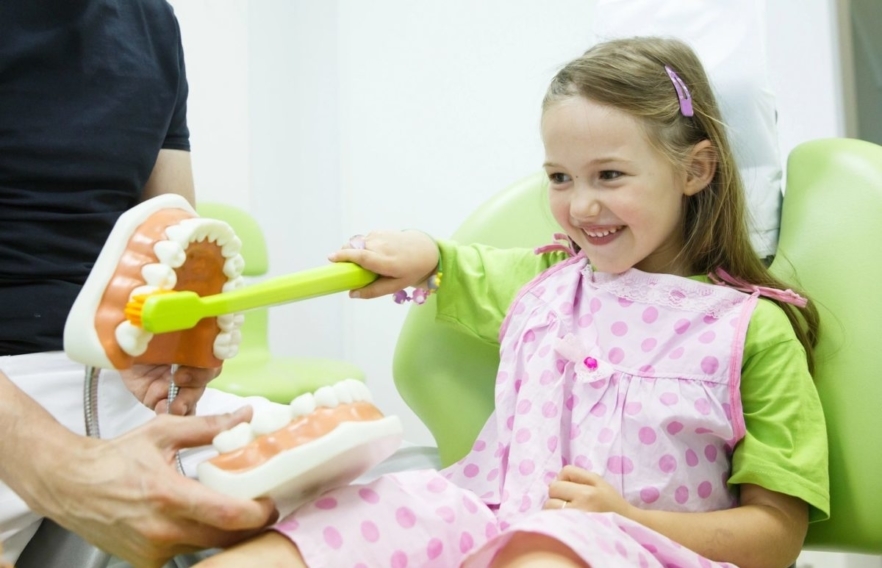
Early visits are primarily focused on prevention rather than treatment. Regular check-ups every three to six months allow dentists to monitor the eruption of teeth and ensure that no decay is forming. This proactive approach is essential because early intervention can prevent more invasive procedures as the child grows.
Identifying Qualified Pediatric Specialists
For parents seeking the highest standard of care, verifying the credentials of a provider is paramount. In South Korea, the designation of a “pediatric dentistry specialist” is a formal certification. Providers may hold certifications from the Ministry of Health and Welfare or be recognized members and fellows of the Korean Academy of Pediatric Dentistry (KAPD).
Clinics like Seoul Hyo & Junior Dental Clinic exemplify this professional standard, with practitioners who serve as external professors at Seoul National University Dental Hospital and maintain memberships in both the KAPD and the Korean Society of Dental Anesthesiology. Such credentials ensure that the practitioner is up-to-date on the latest clinical guidelines and anesthesia safety protocols.
To assist parents in locating these specialists, digital tools have been developed. There are now specialized map applications and directories that allow parents to find board-certified pediatric dentists in their specific neighborhood, providing essential details such as location, contact information, and office addresses National Pediatric Dentist Map.
Advanced Clinical Standards in Pediatric Care
Modern pediatric clinics are increasingly adopting high-level medical infrastructure to mirror the safety standards of large hospitals. Key components of a high-quality pediatric dental environment include:
- Sterilization Systems: The use of central supply rooms with state-of-the-art sterilization equipment to prevent cross-contamination.
- Water Quality: Implementation of special equipment to provide sterile, sterile water for dental procedures daily.
- Air Filtration: The introduction of suction systems designed to capture dust and aerosols generated during treatment to maintain air purity.
- Minimal Intervention: A focus on minimally invasive restorative treatments to preserve as much of the natural tooth structure as possible.
Common Pediatric Dental Concerns and Solutions
Parents often notice changes in their child’s dental alignment or the appearance of teeth as they grow. A common concern involves the protrusion of upper teeth as they emerge. Pediatric dentists manage these issues through growth centers that monitor maxillofacial development, ensuring that the jaw and teeth align correctly during the growth phase.
Beyond alignment, preventive clinics focus on the “preventive clinic” model, which includes the application of sealants and fluoride treatments to protect vulnerable areas of the teeth. For children with severe anxiety or those with special needs, specialized sedation and “safe sedation” methods are employed to ensure the procedure is completed without causing psychological distress.
Key Takeaways for Parents
- First Visit: Schedule the first dental visit before the child’s first birthday.
- Frequency: Maintain regular check-ups every 3 to 6 months for preventive monitoring.
- Verification: Look for board-certified specialists recognized by the Ministry of Health and Welfare or the KAPD.
- Environment: Choose clinics that prioritize pediatric psychology and advanced sterilization protocols.
The journey of pediatric dental health is a marathon, not a sprint. By establishing a relationship with a qualified specialist early on, parents can ensure their children develop a healthy, positive relationship with oral hygiene and medical care.
For those seeking further guidance, official dental associations and certified specialist maps provide the most accurate directories for local care. We encourage parents to share their experiences and ask questions in the comments below to help other families navigate their children’s healthcare journey.