
In the pursuit of longevity and holistic wellness, many are turning toward the traditional dietary habits of Japan, a nation renowned for the remarkable health and lifespan of its inhabitants. While modern nutrition often focuses on restrictive dieting, the Japanese approach frequently emphasizes the integration of ancestral beverages and natural ingredients into daily routines to prevent disease and enhance overall vitality.
Among these traditional staples, several beverages stand out for their specific health properties, ranging from potent anti-inflammatory effects to nutritional boosts that support the body without causing drastic spikes in blood sugar. From roasted teas to fermented rice drinks, these ancestral beverages offer a glimpse into a lifestyle where food and drink serve as primary tools for health maintenance.
As a physician and health journalist, I have observed a growing global interest in these “super-drinks.” However, This proves essential to distinguish between the different types of traditional Japanese beverages, as each serves a distinct purpose—whether it is the calming, antioxidant-rich profile of a roasted tea or the energy-boosting properties of a fermented rice brew.
Hojicha: The Anti-Inflammatory Power of Roasted Green Tea
One of the most distinguished ancestral drinks in Japan is hojicha, a variety of green tea that undergoes a unique roasting process. Unlike standard green teas that are simply dried, hojicha is roasted at high temperatures. This process transforms the leaves, giving the tea a distinct brownish color and a mellow, almost caramelized flavor profile.
From a medical perspective, the roasting process does more than just alter the taste; it significantly reduces the caffeine content. This makes hojicha an ideal choice for individuals who are sensitive to caffeine or those seeking a soothing beverage in the evening without risking sleep disruption.
The primary health appeal of hojicha lies in its exceptional anti-inflammatory properties. The tea is rich in polyphenols, specifically catechins and tannins, which function as powerful antioxidants. These compounds work by neutralizing free radicals, thereby reducing oxidative stress and cellular damage—the primary drivers of inflammation in the human body. Hojicha’s antioxidant profile may help alleviate symptoms associated with various inflammatory conditions, including allergies, digestive disorders, and arthritis.
Amazake: The Fermented “Sweet Sake” for Vitality
Another pillar of Japanese traditional wellness is amazake, which literally translates to “sweet sake.” Despite the name, amazake is fundamentally different from the alcoholic beverage known as sake. It is a traditional drink made from fermented rice and contains very little to no alcohol, making it accessible for all ages and times of the day.
Historically, amazake served as an energy drink for monks in Japanese temples. Today, it remains a popular component of breakfasts and comforting snacks for families across Japan. Its texture is often described as reminiscent of a light porridge, offering a natural sweetness that is appealing without the need for refined sugars.
The nutritional value of amazake is significant. It is rich in B vitamins, enzymes, amino acids, and complex carbohydrates. Because of its composition, it provides a boost of energy and vitality to the organism without triggering the sharp glycemic spikes often associated with sugary drinks. This makes it a valuable tool for maintaining steady energy levels throughout the day. Amazake’s nutritional profile is often cited by wellness enthusiasts as a potential secret to the longevity observed in Japanese populations.
Sake: The Cultural and Ancestral Icon
While hojicha and amazake are prized for their health and nutritional benefits, sake remains the most globally recognized ancestral beverage from Japan. Referred to by some as the “drink of the gods,” sake is a rice-based alcohol that represents a point of national pride and centuries of tradition.
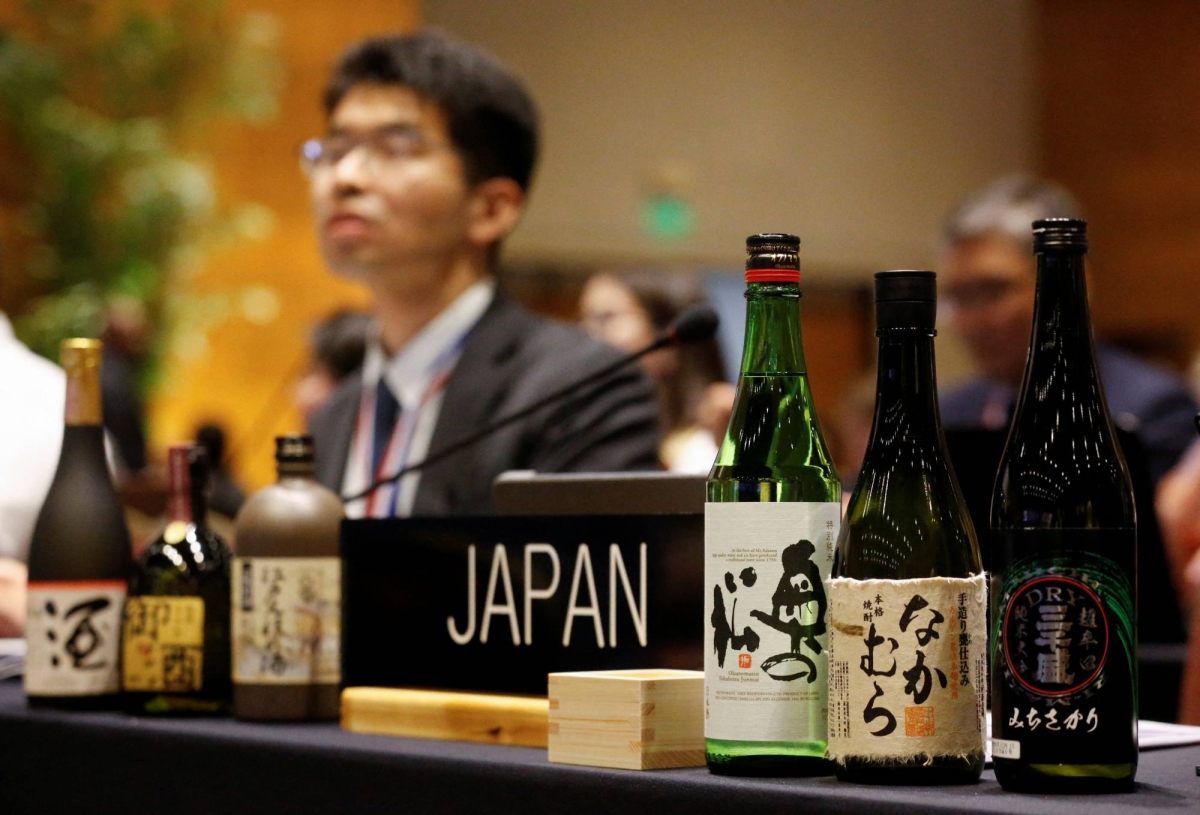
The production of sake is a complex process involving rice, water, kaji-kin, and yeast, utilizing a brewing method similar to that of beer. It is deeply integrated into Japanese social rituals and culinary arts, often served to accompany sushi or as a digestif at the end of a meal.
Interestingly, the quality of sake is often judged by the temperature at which it is served; high-quality sake is typically served very cold, while lower-quality versions are often served lukewarm. The origins of sake are ancient and somewhat clouded by legend, with some theories suggesting it appeared in Japan around the 3rd century as the culture adopted rice cultivation, while other legends trace its roots back as far as 4800 BC in the Yangtze River valley. Sake’s historical origins highlight the deep connection between Japanese agriculture and its beverage traditions.
Comparison of Traditional Japanese Beverages
| Beverage | Primary Ingredient | Key Characteristic | Primary Benefit/Use |
|---|---|---|---|
| Hojicha | Roasted Green Tea | Low Caffeine | Anti-inflammatory & Antioxidant |
| Amazake | Fermented Rice | Non-alcoholic/Sweet | Energy boost & B Vitamins |
| Sake | Rice & Yeast | Alcoholic | Cultural ritual & Culinary pairing |
Integrating these traditional elements into a modern lifestyle requires a balance of moderation and understanding. Whether seeking the anti-inflammatory support of roasted tea or the nutrient-dense energy of fermented rice, these beverages demonstrate how ancestral wisdom can complement contemporary health goals.
As research continues into the relationship between traditional diets and longevity, these Japanese beverages provide a blueprint for using natural, plant-based ingredients to support long-term wellness. We invite you to share your experiences with these traditional drinks or ask questions about integrating them into your health routine in the comments below.
Worth a look