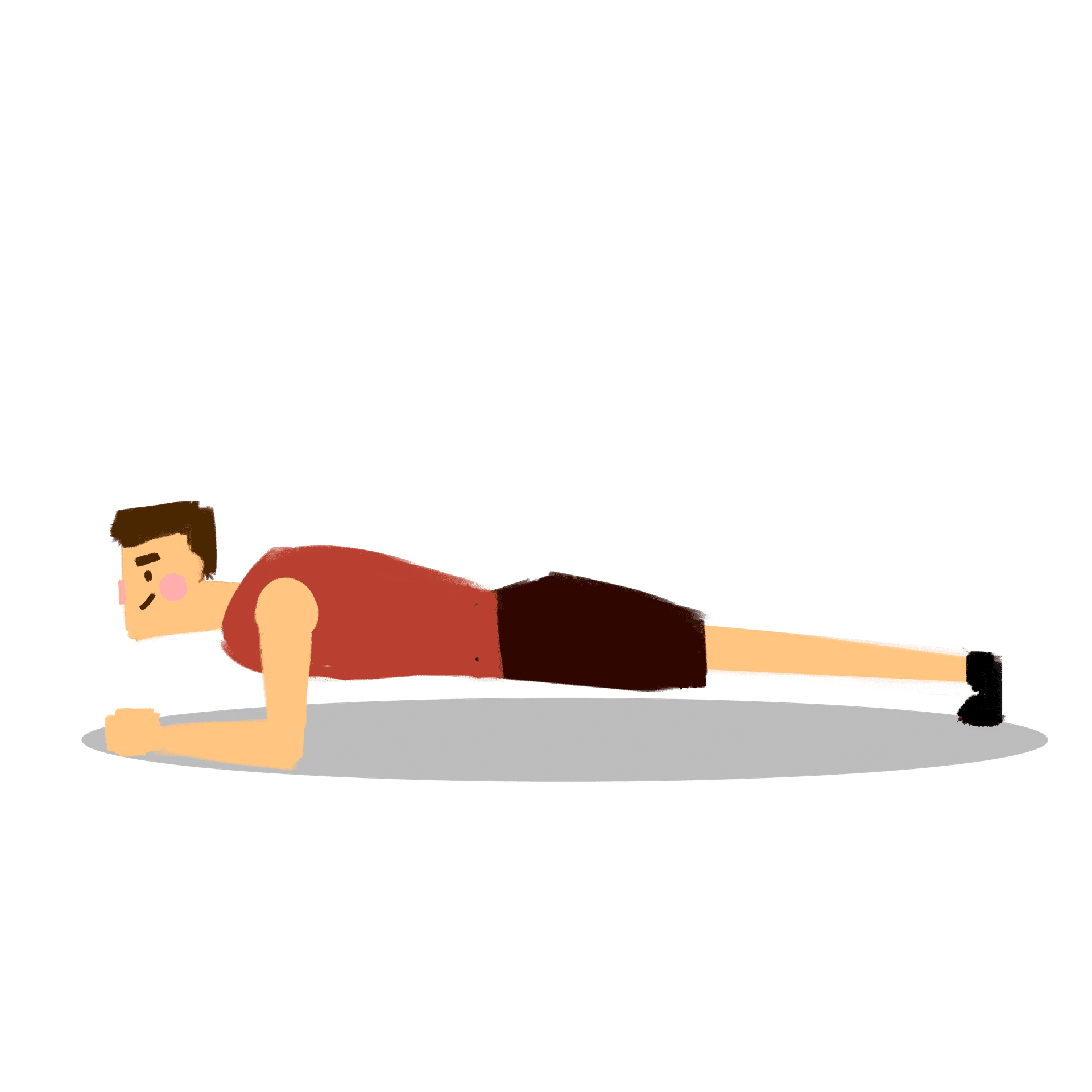
Managing hypertension often feels like a lifelong battle against an invisible enemy. For many, the immediate reaction to a high blood pressure reading is a reliance on medication. While pharmaceutical intervention is critical for many, the medical community is increasingly emphasizing the power of lifestyle modifications to complement clinical treatment. As a physician and journalist, I have seen how small, intentional shifts in daily activity can lead to measurable improvements in cardiovascular health.
The challenge for most adults is not a lack of will, but a lack of time. The idea of spending hours at the gym can be daunting, yet research suggests that blood pressure lowering exercises—even those lasting only a few minutes—can be highly effective when integrated consistently into a daily routine. By targeting the physiological pathways that regulate vascular tension and heart rate, these brief interventions help the body maintain a healthier equilibrium.
Understanding why blood pressure rises is the first step in choosing the right intervention. Hypertension typically occurs through three primary pathways: the overstimulation of the sympathetic nervous system (triggered by stress, nicotine, or alcohol), the intake of excessive sodium which disrupts kidney function and increases blood volume, and structural changes to the blood vessels caused by age, obesity, or high blood glucose according to medical analysis on lifestyle interventions. As the causes are multifaceted, the solutions must be as well.
Three Effective Exercise Strategies for Blood Pressure Management
When looking for “short-burst” exercises that actually work, the goal is to improve blood flow and reduce the rigidity of the vascular walls. Based on practices shared by medical experts, including specialists from Japan, three specific approaches stand out for their efficiency and ease of implementation.
1. High-Intensity Interval Training (HIIT) and Intermittent Movement
Rather than long, steady-state cardio, “intermittent exercise” can provide a potent stimulus for blood pressure reduction. For those capable of more intense activity, a cycle of 20 seconds of push-ups followed by 10 seconds of rest can be repeated to stimulate the heart and vessels. For older adults or those with limited mobility, a safer alternative is the “intermittent walking” method: alternating between 3 minutes of fast walking and 3 minutes of slow walking as suggested by Dr. Tetsuya Hasemoto.
2. Daily Accumulative Activity
Blood pressure management is not just about the “workout” but about reducing sedentary time. Small, cumulative movements throughout the day prevent the blood vessels from remaining in a constricted state for too long. Experts recommend aiming for 6,000 to 7,000 steps daily, prioritizing the use of stairs over elevators and incorporating brief walks during commutes per recommendations from Professor Takanobu Higashimaru. These “micro-exercises” ensure the body remains active without requiring a dedicated gym session.
3. Capillary Movement and Circulation Exercises
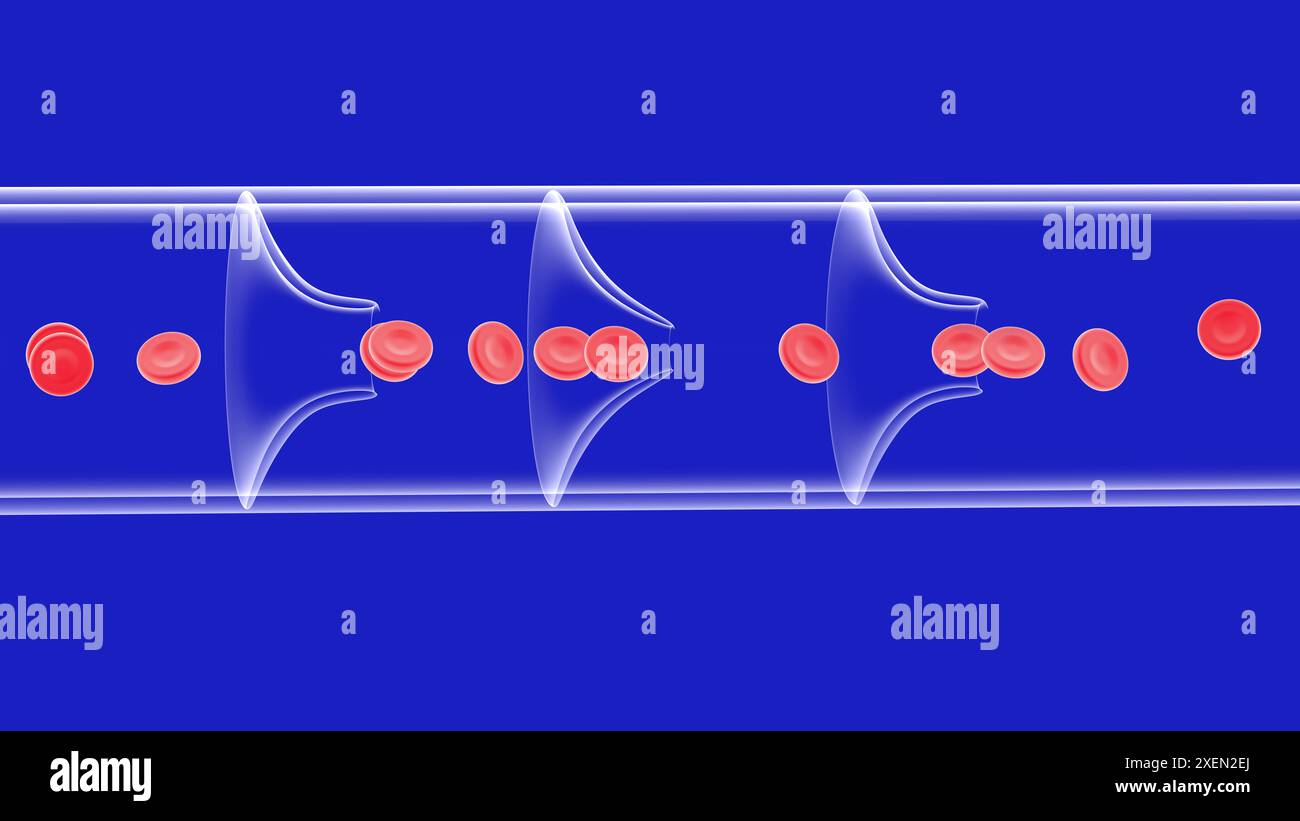
For those seeking a low-impact approach, focusing on peripheral circulation can be beneficial. “Capillary movement”—which involves lying on a firm surface to keep the spine straight while gently swinging the arms and legs—helps promote overall blood circulation. This method is particularly useful for improving blood flow in the extremities, which in turn supports the overall regulation of blood pressure as practiced by acupuncturist Michiyo Mori.
The Measurable Impact of Consistent Movement
The efficacy of these exercises is not merely anecdotal. This proves backed by clinical data. For individuals in the “pre-hypertension” stage, engaging in exercise training for four weeks or more can result in an average decrease in systolic blood pressure of 4.3 mmHg and diastolic blood pressure of 1.7 mmHg. The results are even more pronounced for those already diagnosed with hypertension, with average reductions of 8.3 mmHg in systolic and 5 mmHg in diastolic pressure according to research on lifestyle interventions.
These reductions are significant because they directly lower the risk of severe complications. High blood pressure is a primary driver of stroke, myocardial infarction, and kidney disease. In fact, the Japanese Society of Hypertension has updated its guidelines to lower the blood pressure control target for individuals aged 75 and older from 140/90 mmHg to 130/80 mmHg to further mitigate these cardiovascular risks as reported by health experts.
Integrating Diet and Stress Reduction for Maximum Effect
While exercise is a cornerstone of hypertension management, it works most effectively when paired with dietary discipline and stress control. The relationship between the nervous system and blood pressure is intimate; when we are under “lousy stress” (negative pressure that exceeds our coping capacity), the body triggers physiological responses such as increased heart rate, rapid breathing, and muscle tension according to psychologist Bulent Ada.
To counter this, experts suggest “short-term pressure reduction” techniques that can be performed in 30 seconds to 5 minutes to prevent the body from remaining in a high-stress state for too long. Combining these mindful moments with a low-sodium diet is essential. Many physicians recommend limiting daily salt intake to approximately 6 grams and utilizing “low-salt drinks” containing potassium and calcium—such as soy milk or vegetable juices—to help the body excrete excess sodium as advised by Professor Atsuhiro Ichihara and Dr. Naohiko Watanabe.
Key Takeaways for Blood Pressure Management
- Intervals over Duration: Short bursts of activity, such as 20-second push-ups or alternating walking speeds, can be more efficient than long, monotonous exercise.
- The Power of Steps: Aiming for 6,000–7,000 steps daily and using stairs helps maintain vascular elasticity.
- Sodium Control: Keep salt intake around 6g per day and increase potassium/calcium intake to aid sodium excretion.
- Stress Awareness: Use short-term relaxation techniques to prevent “bad stress” from triggering chronic hypertension.
- Consistency is Key: Clinical benefits, including a systolic drop of up to 8.3 mmHg for hypertensive patients, typically emerge after four weeks of consistent training.
For those managing hypertension, the path forward is not about drastic, unsustainable changes, but about the accumulation of small wins. Whether it is a three-minute fast walk or a brief session of capillary movement, these actions collectively signal the body to relax its vascular tension and lower the heart’s workload.
As medical guidelines evolve, the focus continues to shift toward personalized, lifestyle-integrated care. Patients should continue to monitor their blood pressure regularly and consult with their healthcare provider before starting a novel exercise regimen, especially when combining it with medication.
We encourage you to share your experience with lifestyle-based blood pressure management in the comments below. Have you found a specific routine that works for you?
Keep reading