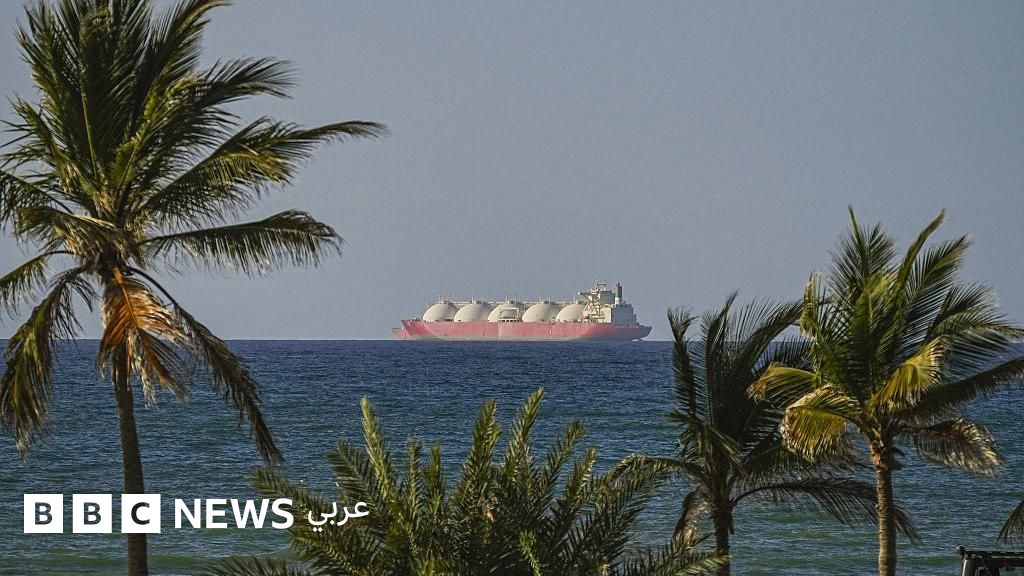
U.S. President Donald Trump announced on Sunday, April 12, 2026, that the United States Navy will begin implementing a naval blockade of the Strait of Hormuz, targeting vessels entering or exiting the critical waterway. The move comes as a direct response to the collapse of peace negotiations between the United States and Iran held in Islamabad, Pakistan, where the two nations failed to reach an agreement over Tehran’s nuclear ambitions per reports from Euronews.
Writing on his Truth Social platform, President Trump stated that the operation is “effective immediately,” directing the U.S. Navy to control the flow of maritime traffic in both directions. The administration’s strategy involves not only the management of the strait itself but as well the interception of ships in international waters. Specifically, Trump instructed the Navy to search for and intercept any vessel that has paid transit fees to Iran, effectively extending the reach of the blockade beyond the immediate confines of the strait according to Sky News Arabia.
This escalation marks a significant shift in U.S. Policy toward Iran, moving from diplomatic engagement in Pakistan to active maritime enforcement. The blockade is designed to exert maximum pressure on Tehran, which the U.S. President has accused of “blackmailing the world” by restricting access to the international waterway and failing to honor promises to keep the strait open as detailed by Euronews.
Mechanics of the Blockade: How the U.S. Navy Will Operate
The implementation of the naval blockade of the Strait of Hormuz is structured around total control of maritime movement. According to the presidential announcement, the U.S. Navy will manage the entry and exit of all ships. While the current phase is one of strict control, President Trump indicated that the U.S. May eventually transition to a status where “everyone is allowed to enter and everyone is allowed to exit,” provided certain conditions are met per Sky News Arabia.
A key component of the operation is the targeting of financial ties between shipping companies and the Iranian government. By intercepting ships in international waters that have paid transit fees to Iran, the U.S. Aims to neutralize the economic leverage Tehran holds over the waterway. This tactic expands the operational theater, ensuring that vessels cannot simply bypass the blockade by utilizing international corridors if they have already complied with Iranian financial demands as reported by CNN Arabic.
The U.S. Administration has also highlighted the presence of naval mines as a primary justification for the intervention. President Trump claimed that Iran has used the excuse of “mines” in the waterway—the locations of which only Tehran knows—to prevent the normal flow of traffic, thereby justifying the need for the U.S. Navy to secure the passage according to Sky News Arabia.
The Islamabad Collapse: Nuclear Ambitions and Broken Promises
The catalyst for this naval action was the failure of high-stakes peace talks in Islamabad. While U.S. Officials indicated that there was understanding on most issues, the Iranian nuclear program remained the primary point of contention. The U.S. Government asserts that Iran has remained steadfast in its nuclear ambitions, refusing to create the necessary concessions to secure a diplomatic agreement per Euronews.
Beyond the nuclear file, the U.S. President accused Iran of bad faith regarding the accessibility of the Strait of Hormuz. Trump stated that Iran had previously promised to keep the waterway open but deliberately failed to do so, creating instability and anxiety for numerous nations dependent on the strait for energy and trade according to Euronews.
The U.S. Position is that Iran’s actions in the strait violate all international laws without exception. By framing the situation as “blackmail,” the Trump administration is positioning the blockade not as an act of aggression, but as a necessary measure to restore the legality and safety of a vital international maritime corridor as reported by Euronews.
Global Impact and Maritime Security Risks
The decision to block the Strait of Hormuz carries immense risks for global energy markets and international trade. As one of the world’s most critical chokepoints, any disruption to the flow of oil and goods through the strait can lead to immediate price volatility and supply chain disruptions. The U.S. Navy’s move to intercept ships in international waters further complicates the legal and security landscape for commercial shipping companies.

Stakeholders in the region and globally are now monitoring how the U.S. Navy will balance the enforcement of the blockade with the need to prevent a total shutdown of oil exports. The tension is exacerbated by the conflicting claims regarding naval mines; while the U.S. Views them as a tool of Iranian extortion, the actual presence and placement of such mines could lead to accidental engagements or maritime disasters.
Key Takeaways of the U.S. Naval Action
- Effective Date: The blockade was announced as starting “effective immediately” on Sunday, April 12, 2026 per Sky News Arabia.
- Primary Objective: Control the entry and exit of all vessels in the Strait of Hormuz and force the opening of the waterway.
- Interception Policy: U.S. Navy is authorized to intercept ships in international waters if they have paid transit fees to Iran per CNN Arabic.
- Diplomatic Trigger: The collapse of peace talks in Islamabad regarding Iran’s nuclear program per Euronews.
- Legal Justification: The U.S. Claims Iran is violating international laws and using the strait to “blackmail” the global community.
The international community now awaits a formal response from Tehran and the reactions of other regional powers. The next critical checkpoint will be the operational reports from the U.S. Navy as they begin the physical interception of vessels in the Gulf and the Strait of Hormuz.
We invite our readers to share their perspectives on the geopolitical implications of this blockade in the comments below. Stay tuned for further updates as this situation develops.