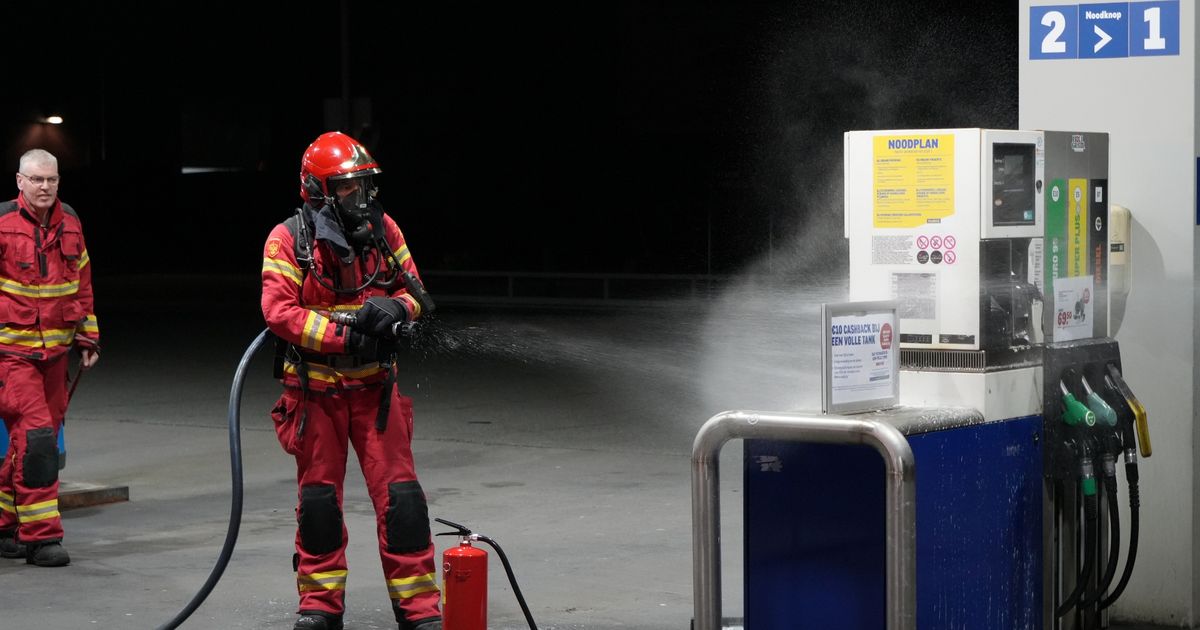
Emergency services were dispatched to a building fire on Kattegat in Groningen during the early hours of Monday, April 13, 2026. The incident, which triggered a high-priority response, required the mobilization of multiple firefighting units to contain the blaze.
The alert was received at approximately 00:56, prompting an immediate deployment of resources to the Kattegat area. Initial reports indicate that the fire occurred in a building, with emergency dispatch logs specifically identifying the location as the Makro building on Kattegat in Groningen.
As of Monday morning, official details regarding the exact cause of the fire, the total extent of the property damage, or any potential injuries remain unknown. Authorities have not yet released a statement confirming whether the building was occupied at the time of the incident.
Emergency Response and Deployment
The response was coordinated through the Meldkamer Noord-Nederland, with firefighting units primarily deployed from the Groningen Sontweg station. The operation was classified as a Priority 1 incident, signifying an urgent need for intervention to prevent the spread of the fire and ensure public safety according to emergency logs.
To manage the incident, the fire department utilized a specialized array of equipment:
- Tankautospuit (TS): A standard firefighting pumper used for water delivery and extinguishing.
- Hoogwerker (HW): An aerial platform used to reach higher elevations of the building and provide a vantage point for firefighters.
- Officer of Service (OvD-B): A command vehicle used by the Officier van Dienst Brandweer to coordinate on-site operations.
Incident Location and Context
The fire took place on Kattegat, a known commercial area in Groningen. The dispatch records from the P2000 system—the digital paging system used by emergency services in the Netherlands—specifically noted the fire was located at the Makro building on Kattegat.
Although some preliminary reports suggested the fire may have been associated with an unmanned fuel pump, the primary emergency dispatch data focuses on the building structure. The coordination between the Groningen Sontweg station and the regional control room ensured that the necessary heavy machinery, including the aerial platform, arrived on the scene shortly after the 00:56 alarm.
Understanding the P2000 Alert System
The speed of the response in this incident highlights the efficiency of the P2000 system. In the Netherlands, P2000 is the critical communication infrastructure used by the fire brigade, ambulance services and police to transmit urgent alerts to personnel. By providing precise location data and incident types—such as “BR gebouw” (Building Fire)—the system allows stations like Groningen Sontweg to deploy the correct equipment, such as the hoogwerker, before they even arrive at the scene.
This systematic approach is essential for industrial and commercial zones like Kattegat, where the scale of buildings can necessitate specialized equipment to prevent a localized fire from becoming a larger urban conflagration.
Current Status and Next Steps
Following the initial containment efforts, the area remains under the supervision of the fire department to ensure no hotspots remain. The focus of the investigation will now shift to determining the origin of the blaze and whether it was caused by electrical failure, accidental ignition, or other external factors.
Further updates are expected as the fire department and local authorities complete their damage assessments. Residents and business owners in the Kattegat area are advised to monitor official channels for any traffic disruptions or safety advisories resulting from the cleanup operation.
The next confirmed checkpoint will be the release of the official incident report from the Groningen Fire Department, which will detail the cause of the fire and the total damage incurred.
World Today Journal encourages readers to share this report and provide any verified information regarding the incident in the comments section below.
Keep reading