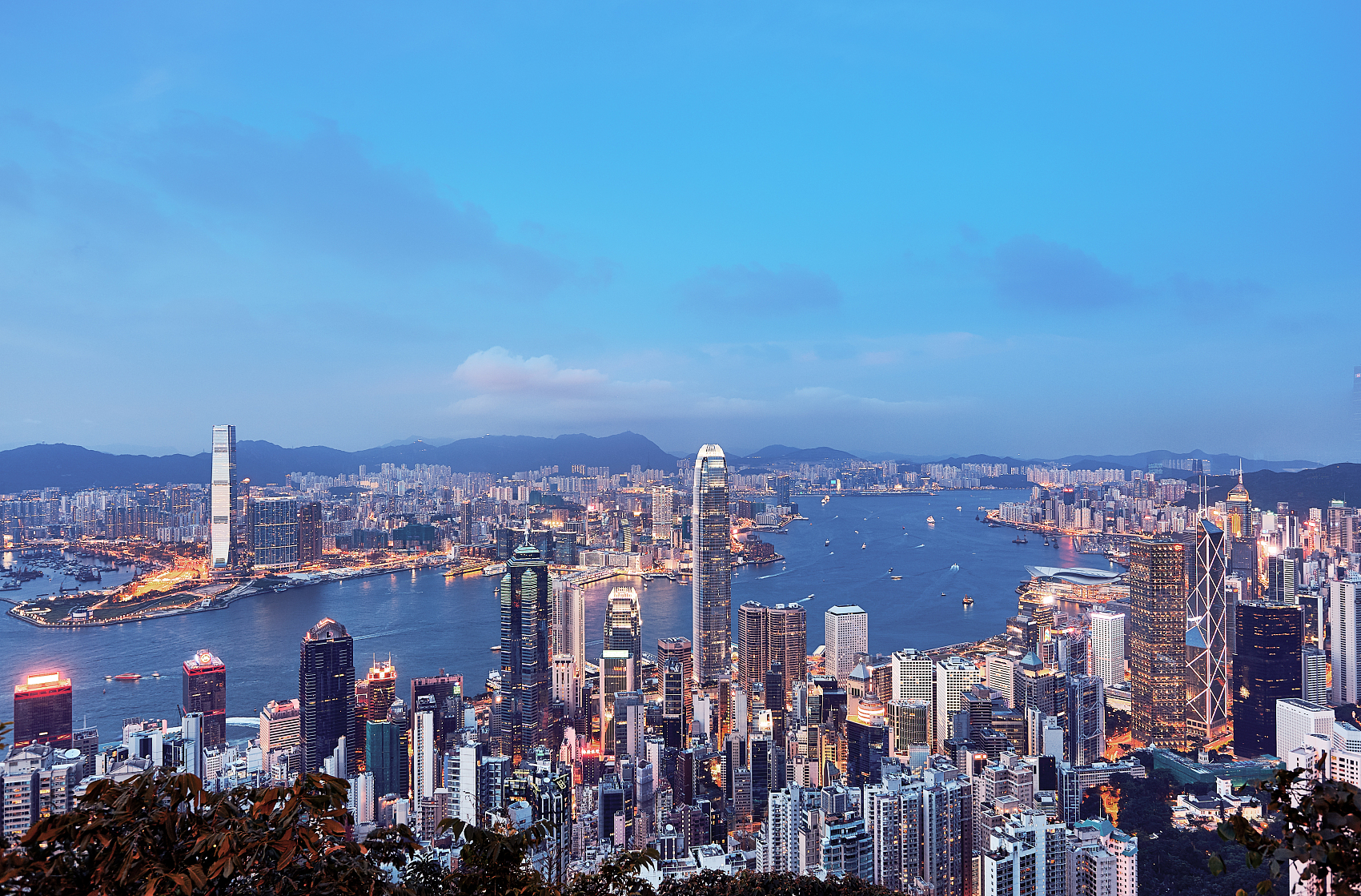
The Hong Kong equity market faced renewed pressure on Monday, April 13, 2026, as investors grappled with a volatile geopolitical landscape and a resurgence of risk aversion. The Hang Seng Index (HSI) closed the session down 0.9%, while the Hang Seng Tech Index, which tracks the region’s most influential technology firms, declined by 0.79%.
This downturn follows a period of erratic movement driven largely by developments in the Middle East. While the market saw a brief moment of optimism late last week, the current slide suggests that traders remain cautious about the fragility of diplomatic efforts and the potential for further economic disruptions. The decline was broad-based, with several heavyweight technology stocks leading the retreat.
For global investors, the movement in Hong Kong serves as a barometer for broader sentiment toward Asian assets amid escalating tensions between major world powers and regional conflicts. The interplay between U.S. Trade policy and Middle Eastern stability continues to be the primary driver of volatility in the HSI, overshadowing domestic fundamental improvements in the short term.
Tech Giants Lead the Decline
The technology sector, often the engine of growth for the Hong Kong market, bore the brunt of Monday’s sell-off. Heavyweights including Baidu, Tencent, Meituan, and SMIC all experienced collective declines, contributing significantly to the 0.79% drop in the Hang Seng Tech Index. This retreat highlights a continuing trend of sensitivity among high-growth tech stocks to macroeconomic instability and shifting geopolitical alliances.
The synchronized dip in these companies suggests a “risk-off” approach by institutional investors, who are rotating away from growth assets in favor of more defensive positions. This sentiment is particularly acute given the ongoing scrutiny of semiconductor firms like SMIC, which remain vulnerable to international trade restrictions and policy shifts.
Geopolitical Volatility and the ‘Trump Factor’
The current market instability is deeply rooted in events that unfolded earlier in the month. On April 8, 2026, U.S. President Donald Trump announced via his social media platform, “Truth Social,” that any nation providing military weapons to Iran would face “immediate” tariffs of 50% on “any and all goods” sold to the United States source. Trump emphasized that these measures would be implemented without any exclusions or exemptions.
Compounding this economic threat was a critical disruption in global energy logistics. Reports indicated that the Strait of Hormuz—a vital artery for global oil shipments—was closed on April 8 source. Maritime tracking data showed oil tankers suddenly altering course near the coast of Oman’s Musandam Peninsula, performing 180-degree turns to return to the Persian Gulf.
These events triggered an immediate reaction in the markets on April 9, where oil and gas stocks surged. For instance, Shandong Molong rose by over 7%, while other firms like Zhonggang Petroleum and Baiqin Oil Service also saw significant gains source. However, the broader market struggled, with the Hang Seng Index opening that day at 25,756.41 points, a drop of 0.53%.
A Cycle of Hope and Retraction
The decline on April 13 is particularly notable due to the fact that it follows a sharp, short-lived recovery. On Friday, April 10, the Hang Seng Index rebounded by 1.1%, climbing 269 points to close at 26,032 source. This bounce was fueled by reports that Israel was open to negotiations with Lebanon, which momentarily eased fears of a wider regional war and boosted investor risk appetite.
The reversal on Monday indicates that the market views these diplomatic openings as fragile. The tension between the hope for a ceasefire and the reality of aggressive trade threats creates a “sawtooth” pattern in pricing, where rapid gains are quickly erased by recent geopolitical triggers. This environment makes it challenging for long-term capital to commit to the market, leaving the HSI susceptible to the whims of daily news cycles.
Key Market Indicators (April 2026)
| Date | Movement | Closing/Opening Level | Primary Driver |
|---|---|---|---|
| April 9 | Low Open (-0.53%) | 25,756.41 (Open) | Hormuz closure & US Tariff threats |
| April 10 | Rebound (+1.1%) | 26,032 (Close) | Israel-Lebanon negotiation hopes |
| April 13 | Decline (-0.9%) | N/A | Renewed risk aversion & tech sell-off |
What In other words for Global Investors
The volatility in the Hong Kong market underscores a critical lesson in modern portfolio management: geopolitical risk is now a primary pricing factor, often outweighing corporate earnings. The decline in the Hang Seng Tech Index reflects a broader anxiety regarding how global trade wars and regional conflicts impact the supply chains and market access of the world’s largest tech firms.
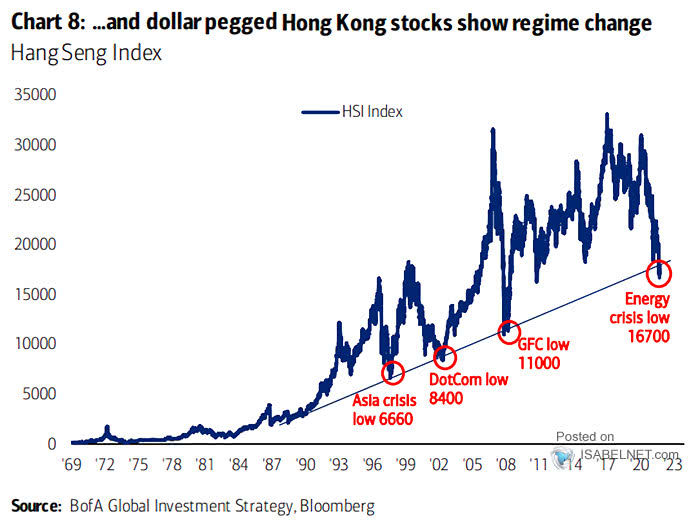
For those tracking the HSI, the critical metrics to watch are no longer just the quarterly reports of companies like Tencent or Alibaba, but the diplomatic cables coming out of Washington and the Middle East. The market is currently in a state of “fragile equilibrium,” where any sign of escalation in the U.S.-Iran relationship or a failure in Middle Eastern diplomacy could lead to further downward pressure.
Analysts have noted that while some believe the market has already priced in much of the pessimistic outlook, the lack of a clear catalyst for a sustained rally keeps the index in a range-bound or weak trend. The movement of “safe-haven” assets, such as gold and oil, will likely continue to inversely correlate with the performance of Hong Kong’s tech-heavy indices.
The next critical checkpoint for investors will be the official updates regarding the status of the Strait of Hormuz and any formal responses from nations targeted by the proposed 50% U.S. Tariffs. These developments will determine whether the Hang Seng Index can stabilize or if it will face further corrections.
We invite our readers to share their perspectives on how geopolitical volatility is affecting their investment strategies in the comments below.
Keep reading