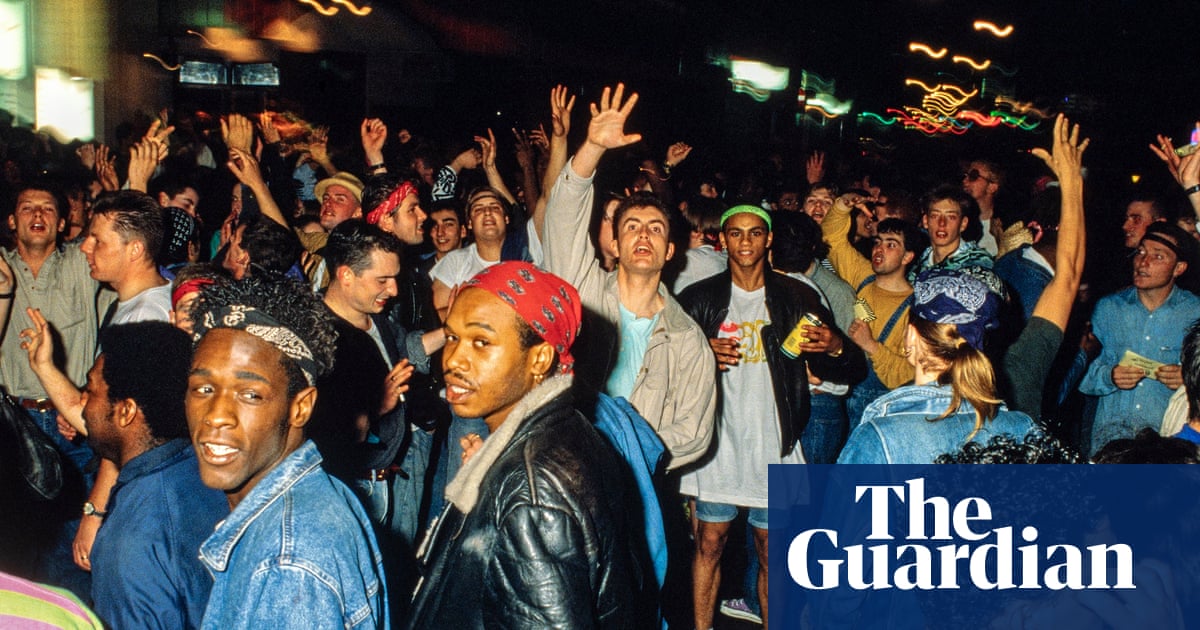
The cultural landscape of east London is expanding with a profound tribute to the sonic architects of the United Kingdom. In a landmark opening, the V&A’s east London outpost is celebrating 125 years of Black British music-making in Britain, inviting some of the nation’s most influential performers to curate their own personal journeys through the archives.
The exhibition, titled “The Music Is Black: A British Story,” serves as more than a retrospective; it is a vivid mapping of identity, resistance, and innovation. By pairing legendary artists with specific artifacts, the showcase transforms static exhibits into living histories, revealing how the pulsating energy of the underground eventually reshaped the global mainstream.
From the grit of Camden High Street to the poetic activism of Brixton, the exhibition highlights the intersection of race, sound, and social change. The participants—including Goldie, Estelle, Courtney Pine, and Flo—have selected pieces that represent not just professional milestones, but the defining emotional catalysts of their careers.
Goldie and the High-Energy Spirit of Jungle
For jungle pioneer Goldie, the exhibition is a place of both celebration and mourning. He selected Kemistry and Storm (The Diptych), a 1995 work by artist Eddie Otchere, to honor the women who shaped his early understanding of the DJ’s craft. Goldie recalls his first meeting with Kemistry on Camden High Street, a moment of kinship sparked by seeing a mixed-race woman with blond dreadlocks—a reflection of his own identity.
The diptych evokes the raw, visceral energy of the “Rage” nights hosted by Fabio and Grooverider. Describing the atmosphere of those early gatherings, Goldie remembers it as “a cauldron of people with their tops off on podiums, giving it loads.” For Goldie, the brilliance of Kemistry and Storm lay in their technical mastery, noting that gender was irrelevant to their skill: “Can they play? Yes. Can they bury people? Yes. That’s it.”
However, the tribute is tinged with tragedy. Goldie reflects on the car accident in April 1999 that claimed Kemistry’s life. Even now, her influence remains a constant in his creative process. Goldie maintains a photograph of her in his studio in Thailand, where he continues to seek her guidance during the arrangement of new music.
The Architects of Hip-Hop and Political Poetry
The exhibition further explores the foundations of British hip-hop through the eyes of Estelle. She selected a 1989 photograph of Slick Rick taken by Janette Beckman, describing the image as timeless. Estelle credits Slick Rick’s unique storytelling and authenticity as the bedrock upon which British hip-hop was built, noting that his influence helped shape the perceptions of her own accent while living and working in the United States.
While Estelle focuses on the evolution of style and narrative, Dennis Bovell looks toward the intersection of music and political urgency. Bovell chose a 1979 photograph of Linton Kwesi Johnson and Darcus Howe, captured at the Race Today offices in Brixton. This selection highlights a pivotal moment in Black British history where music became a vehicle for addressing systemic marginalization.
Bovell recalls how Johnson’s powerful words spoke to a generation feeling “swept under the carpet.” By blending music with poetry, Bovell and Johnson created a sonic record of resistance that remains relevant in contemporary discussions of social justice and racial identity.
From The Beat to David Bowie: A Legacy of Influence
The breadth of the exhibition extends to the “rough-and-ready” energy of the 1980s, exemplified by Roland Gift of Fine Young Cannibals. Gift selected the poster for The Beat’s 1980 album I Just Can’t Stop It, a nod to the high-energy, genre-blending performances that defined the era.

This spirit of experimentation eventually caught the attention of global icons. Records from the V&A East Storehouse reveal that David Bowie became deeply immersed in London’s inner-city club scene during the mid-1990s. Captivated by the breakbeats of Jungle and Drum & Bass, Bowie became a regular at the Metalheadz club night at the Blue Note in Hoxton, east London.
It was within this pulsating environment that Bowie forged a creative bond with Goldie, a relationship that would spark future collaborations. Bowie’s exploration of sample culture and the London underground significantly influenced the production of his albums 1. Outside and Earthling, demonstrating how Black British musical innovation permeated the highest levels of international pop and art rock.
| Artist | Selected Exhibit | Significance |
|---|---|---|
| Goldie | Kemistry and Storm (The Diptych) | Tribute to the female pioneers of the Jungle scene and the energy of ‘Rage’ nights. |
| Estelle | Slick Rick (1989 Photo) | Recognition of the storytelling foundations of British hip-hop. |
| Dennis Bovell | Linton Kwesi Johnson & Darcus Howe (1979 Photo) | The fusion of poetry and music to combat marginalization in Brixton. |
| Roland Gift | The Beat: I Just Can’t Stop It (1980 Poster) | Celebration of the high-energy, early 80s music scene. |
The exhibition underscores the role of the “inner-city club scene” as a laboratory for sound. Whether through the Metalheadz nights at the Blue Note in Hoxton or the street parties of Tottenham Court Road, these spaces provided the freedom for Black artists to innovate without restriction, eventually influencing global music trends.
As the V&A’s east London outpost continues its inaugural programming, “The Music Is Black: A British Story” stands as a critical archive of the voices that refused to be silenced. By centering the narratives of those who lived the history, the exhibition ensures that the legacy of these musical pioneers is preserved for future generations of creators.
Visitors can currently explore these exhibits at the V&A’s east London location to experience the full scale of this 125-year musical journey.
Do you have a favorite moment in Black British music history? Share your thoughts in the comments below or share this article with a fellow music lover.
Keep reading