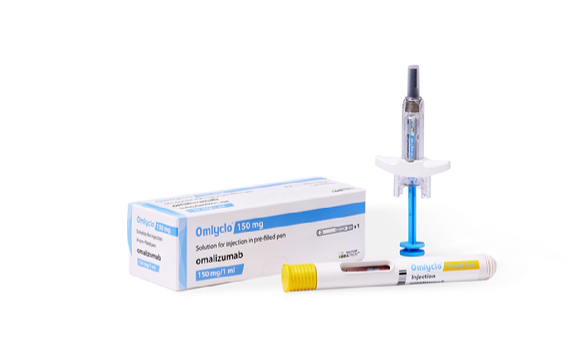
The landscape of biologic therapy in Europe is shifting as Celltrion accelerates the rollout of Omalicllo, a biosimilar targeting chronic spontaneous urticaria and allergic asthma. On April 13, 2026, the company announced significant gains in prescription volume and tender wins across the continent, positioning the drug as a “first mover” in several key markets.
For patients struggling with the debilitating effects of chronic hives or severe allergic asthma, the introduction of high-quality biosimilars like Omalicllo (ingredient: omalizumab) is more than a corporate milestone; it is a critical step toward increasing healthcare accessibility. By reducing the cost burden on national health systems, these therapies allow a broader patient population to access advanced biologic treatments that were previously cost-prohibitive.
Celltrion’s current trajectory suggests a successful penetration of the European Union 5 (EU5) markets, driven by a strategy of localized, customized sales efforts and aggressive bidding in public procurement processes. From the regional governments of Italy to the centralized National Health Service in the United Kingdom, the company is rapidly converting its regulatory approvals into actual patient prescriptions.
Strategic Breakthroughs in Italy and the United Kingdom
In Italy, one of the most fragmented procurement markets in Europe, Celltrion has seen substantial success at the regional level. According to company reports, out of 14 regional government tenders for omalizumab conducted to date, Celltrion’s Italian subsidiary has successfully won bids in 10 regions via MoneyToday. This regional victory is already translating into active supply, with distribution now underway in regions including Umbria, Trentino-Alto Adige, and Toscana.
The company is not stopping there; it intends to leverage the momentum from these initial wins to secure the remaining four regions, aiming for comprehensive coverage across the Italian peninsula. This regional approach is essential in Italy, where healthcare administration is heavily decentralized, requiring a tailored営業 (sales) strategy for each province.
The United Kingdom presents a different but equally successful narrative. Celltrion’s UK subsidiary has achieved a clean sweep of the National Health Service (NHS) tenders across four administrative regions, including England, which represents the largest omalizumab market in the country via Celltrion Official. Notably, Omalicllo had already captured a double-digit market share as of January 2026, even before the official tender process began. With the NHS contracts now secured, the pace of prescription growth is expected to accelerate sharply.
Rapid Adoption in Germany and Nordic Dominance
Germany, a cornerstone of the European pharmaceutical market, has shown a remarkably fast adoption rate for the biosimilar. After its launch in September 2025, Omalicllo achieved double-digit market share within just one month via Electronic Times. This rapid uptake was facilitated by Celltrion Germany’s ability to finalize listing contracts with all public health insurance providers, ensuring that the drug is fully reimbursed and accessible to the general public.
In Northern Europe, the results are even more pronounced. In Denmark, following a successful national tender, Omalicllo has reached a staggering 98% market share via Celltrion Official. This near-total market capture demonstrates the power of national-level procurement in the Nordic region, where centralized health authorities can shift an entire market toward a more cost-effective biosimilar almost overnight.
Understanding the Impact: What is Omalizumab?
To understand why these tender wins matter, it is necessary to look at the clinical utility of the drug. Omalizumab is a recombinant DNA-derived humanized IgG1κ monoclonal antibody that selectively binds to human immunoglobulin E (IgE). By neutralizing free IgE in the blood and on the surface of mast cells and basophils, it prevents the allergic cascade that leads to inflammation.
It is primarily indicated for two challenging conditions:
- Chronic Spontaneous Urticaria (CSU): A condition characterized by the sudden appearance of wheals (hives) and angioedema for six weeks or more, often with no identifiable external trigger. For many, this is a lifelong struggle that severely impacts quality of life.
- Allergic Asthma: Severe asthma that does not respond well to inhaled corticosteroids, particularly when associated with a positive skin test or specific IgE antibodies to perennial aeroallergens.
The “First Mover” Advantage and Market Dynamics
Celltrion is emphasizing its status as a “First Mover” biosimilar in the European market. In the world of biologics, being the first biosimilar to enter a market often provides a significant competitive edge. It allows the company to establish relationships with healthcare providers and insurance payers before other competitors arrive, creating a “moat” of trust and logistical integration.
The transition from the original reference product to a biosimilar like Omalicllo is a win-win for the healthcare ecosystem. For governments, it lowers the expenditure on high-cost biologics. For clinicians, it provides a reliable alternative with the same efficacy and safety profile. For patients, it means a higher likelihood of receiving the treatment they need without the barriers of extreme cost or limited insurance coverage.
| Country | Key Achievement | Market Status/Metric |
|---|---|---|
| Italy | Regional Tender Wins | 10 out of 14 regions won |
| United Kingdom | NHS Tender Success | Won all 4 administrative regions |
| Denmark | National Tender Win | 98% Market Share |
| Germany | Rapid Market Entry | Double-digit share within 1 month |
Looking Ahead: The Path to Global Revenue
Celltrion has explicitly stated that Omalicllo is expected to become a “core new revenue source” for the company starting this year. The current momentum in the EU5 and Nordic regions serves as a blueprint for further expansion. As more public health insurance contracts are signed and regional tenders are closed, the company expects a virtuous cycle of increased volume leading to stronger market presence.
The next critical checkpoints for the company will include the finalization of the remaining four regional tenders in Italy and the full-scale implementation of the NHS supply chain in the UK. As these milestones are met, the medical community will be watching to see how this increased accessibility impacts long-term patient outcomes for those suffering from chronic allergic conditions.
Do you believe the rise of biosimilars is the most effective way to lower healthcare costs globally? We invite you to share your thoughts in the comments below or share this analysis with your colleagues in the medical community.