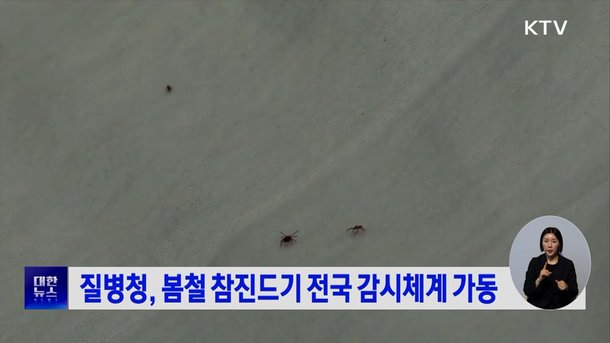
As spring temperatures rise and outdoor activities increase, health authorities in South Korea are sounding the alarm over the return of disease-carrying ticks. The Korea Disease Control and Prevention Agency (KDCA) has officially launched a nationwide surveillance system to monitor the activity of ticks that transmit Severe Fever with Thrombocytopenia Syndrome (SFTS), a potentially lethal viral infection.
The surveillance initiative, which began on April 13 and will run through November, aims to track tick density and the presence of pathogens across the country. Because there are currently no vaccines or specific treatment medications for SFTS, public health officials emphasize that prevention is the only effective way to combat the disease. With a high fatality rate, the effort to monitor these vectors is critical for protecting hikers, farmers, and outdoor enthusiasts.
The risks associated with these ticks are significant. Since the first case was reported in South Korea in 2013, a total of 2,345 people were infected through 2025, with 422 deaths recorded—representing a case fatality rate of approximately 18%. This level of severity underscores why the KDCA is mobilizing a broad network of research institutions to monitor tick populations in real-time.
Understanding the Threat: What is SFTS?
Severe Fever with Thrombocytopenia Syndrome (SFTS) is a viral disease transmitted to humans through the bite of infected ticks, specifically the Haemaphysalis longicornis (commonly referred to as the “hard tick” or “cham-jindeugi” in Korean). When a person is bitten, the virus enters the bloodstream, typically manifesting symptoms within 5 to 14 days.

Common symptoms include high fever and gastrointestinal issues such as vomiting, and diarrhea. In severe cases, the disease can lead to multi-organ failure and death. Because the medical community lacks a dedicated vaccine or antiviral treatment, clinical management focuses on supportive care to stabilize the patient’s condition.
The lifecycle of the tick contributes to the year-round risk, though the intensity varies by season. In the spring, nymphs (the growth stage between larva and adult) become active. During the summer, adult ticks reach peak breeding activity. By autumn, there is a sharp increase in the number of larvae, significantly raising the overall tick population.
Nationwide Surveillance and Monitoring Infrastructure
To manage this risk, the KDCA has established a comprehensive monitoring network involving 16 institutions across 26 different regions. This collaborative effort ensures that tick activity is tracked from the western coast to the southern islands.
The surveillance team consists of 10 public health and environmental research institutes located in Incheon, Busan, Gwangju, Ulsan, Gangwon, Chungnam, Jeonbuk, Jeonnam, Gyeongnam, and Jeju. Six universities serving as climate change vector surveillance centers are participating in the data collection process.
These institutions are tasked with measuring tick density and analyzing the ticks to determine if they are carrying the SFTS virus. The findings from these investigations are not kept internal; the KDCA publishes the results monthly through the “Infectious Disease Vector Surveillance Newsletter” to keep the public and medical professionals informed about high-risk areas.
Key Takeaways for Public Safety
- High Fatality: SFTS has a fatality rate of roughly 18%, making it a high-risk infection.
- No Cure: There is currently no vaccine or specific cure; prevention is the primary defense.
- Seasonal Peaks: Risks are highest when nymphs appear in spring, adults breed in summer, and larvae surge in autumn.
- Active Monitoring: The KDCA is monitoring 26 regions via 16 research institutions until November.
Preventative Measures for Outdoor Activities
Since the ticks primarily inhabit grassy areas and thickets, they can easily attach themselves to humans or animals passing by. To minimize the risk of infection, health experts recommend a combination of physical barriers and chemical repellents.
The KDCA strongly advises the following precautions when visiting parks, forests, or farms:
- Wear Protective Clothing: Employ long-sleeved shirts and long pants to minimize exposed skin. Tucking pants into socks can prevent ticks from crawling up the legs.
- Use Repellents: Apply tick-repellent products to skin and clothing before heading outdoors.
- Avoid Direct Contact: Avoid sitting or resting directly on the grass; use mats or designated benches.
- Post-Activity Checks: After returning from the outdoors, shower immediately and check the entire body—especially the scalp, armpits, and groin—for attached ticks.
The Global Context of Vector-Borne Diseases
The mobilization of the KDCA reflects a broader global trend where climate change is altering the distribution and activity patterns of disease vectors. As winters become milder and spring arrives earlier, the window for tick activity expands, increasing the likelihood of human-vector interaction.
By integrating university research with government health institutes, South Korea is attempting to create a predictive model for tick-borne illnesses. This approach allows the government to issue targeted warnings based on the actual density of ticks in specific provinces, rather than relying on general seasonal advice.
For those traveling to or living in South Korea, staying updated via the KDCA’s monthly newsletters is recommended to identify which regions are experiencing higher-than-normal tick activity during the peak months of April through November.
The next scheduled action in this public health effort is the continued monthly release of the “Infectious Disease Vector Surveillance Newsletter,” which will provide updated data on tick density and pathogen prevalence throughout the season.
Do you have questions about protecting yourself during outdoor activities? Share your thoughts or experiences in the comments below to help others stay safe this spring.
Worth a look