A federal judge in Florida has dismissed a $10 billion defamation lawsuit filed by President Donald Trump against media mogul Rupert Murdoch and The Wall Street Journal. The ruling, issued Monday, April 13, 2026, centers on a July 2024 article that detailed Trump’s past associations with the convicted sex offender Jeffrey Epstein.
The lawsuit focused on a specific claim made by the newspaper: that President Trump had sent a “bawdy” 50th birthday letter to Epstein in 2003. The letter was reportedly part of an album compiled for Epstein’s birthday and was later released publicly by Congress after records were subpoenaed from Epstein’s estate. Trump has adamantly denied writing the letter, describing the reporting as “false, malicious, and defamatory.”
U.S. District Judge Darrin P. Gayles dismissed the civil complaint in the U.S. District Court in Miami, citing a failure to meet the high legal threshold required for public figures to win defamation cases. While the lawsuit was tossed, Judge Gayles indicated that the president would be permitted to file an amended lawsuit to address the deficiencies in the original complaint.
The Legal Standard of ‘Actual Malice’
The dismissal hinges on the legal precedent regarding public figures and defamation. Under U.S. Law, plaintiffs who are public figures—such as a sitting president—must demonstrate that a defendant acted with “actual malice.” In other words the plaintiff must prove the publisher knew the information was false or acted with reckless disregard for whether it was true or not.
In his ruling, Judge Gayles stated that Trump’s complaint “falls short of pleading actual malice.” The judge further noted that the president’s filing “comes nowhere close to” the standard required to show that The Wall Street Journal deliberately avoided investigating the truth of the statements regarding the birthday letter according to the court order.
The court highlighted the efforts made by the defendants to verify the story before publication. According to the ruling, the defendants contacted President Trump, the FBI, and officials from the Justice Department for comment. The judge noted that while President Trump responded with a denial, the FBI declined to comment and the Justice Department did not respond at all.
Questions of Fact vs. Legal Pleadings
The legal battle involved a request from Rupert Murdoch and The Wall Street Journal’s attorneys for the judge to rule that the statements in the article were true, which would have rendered them non-defamatory. However, Judge Gayles declined to make a definitive determination on the truth of the claims at this stage.
The judge wrote that whether President Trump was actually the author of the letter or was a friend of Epstein are “questions of fact that cannot be determined at this stage of the litigation.” This distinction is critical; while the judge dismissed the case based on the way the lawsuit was pleaded (the failure to prove malice), he did not rule on whether the letter was actually written by Trump.
Key Details of the Dispute
- The Claim: A July 2024 Wall Street Journal article alleged Trump sent a sexually suggestive birthday letter to Jeffrey Epstein in 2003.
- The Evidence: The letter was reportedly included in a birthday album and later released by Congress via subpoena of Epstein’s estate.
- The Lawsuit: A $10 billion suit filed in July 2025 seeking damages for defamation.
- The Ruling: Dismissed on April 13, 2026, due to a failure to plausibly allege actual malice.
What Happens Next
Despite the dismissal of the current complaint, the legal chapter is not necessarily closed. Judge Darrin Gayles specifically granted President Trump the opportunity to file an amended lawsuit. This allows the president’s legal team to rewrite the complaint, potentially adding more specific evidence or arguments to meet the “actual malice” standard required by law.
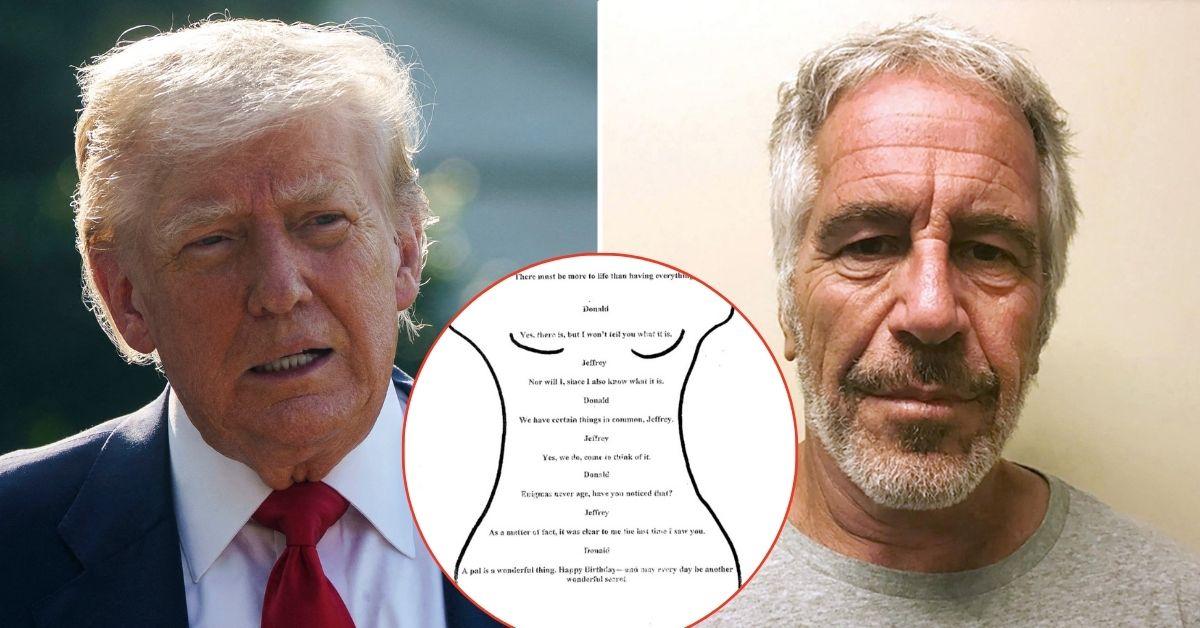
The next step in the proceedings will be the submission of this amended filing, if the president chooses to pursue the matter further. The court will then determine if the new allegations provide a sufficient legal basis to move forward to discovery and trial.
If you found this report informative, please share it with your network and depart your comments below regarding the intersection of press freedom and defamation law.
Worth a look
- AgTech Innovation and Investment: Highlights from the Aapresid Congress in Rosario
- Betye Saar: From Assemblage to the Black Arts Movement
- The Senate Blue Slip, Explained: The Custom Trump Wants Gone (daybreakwire.com)
- Trump Administration Pursues New Criminal Charges Against Former FBI Director (world-today-news.com)