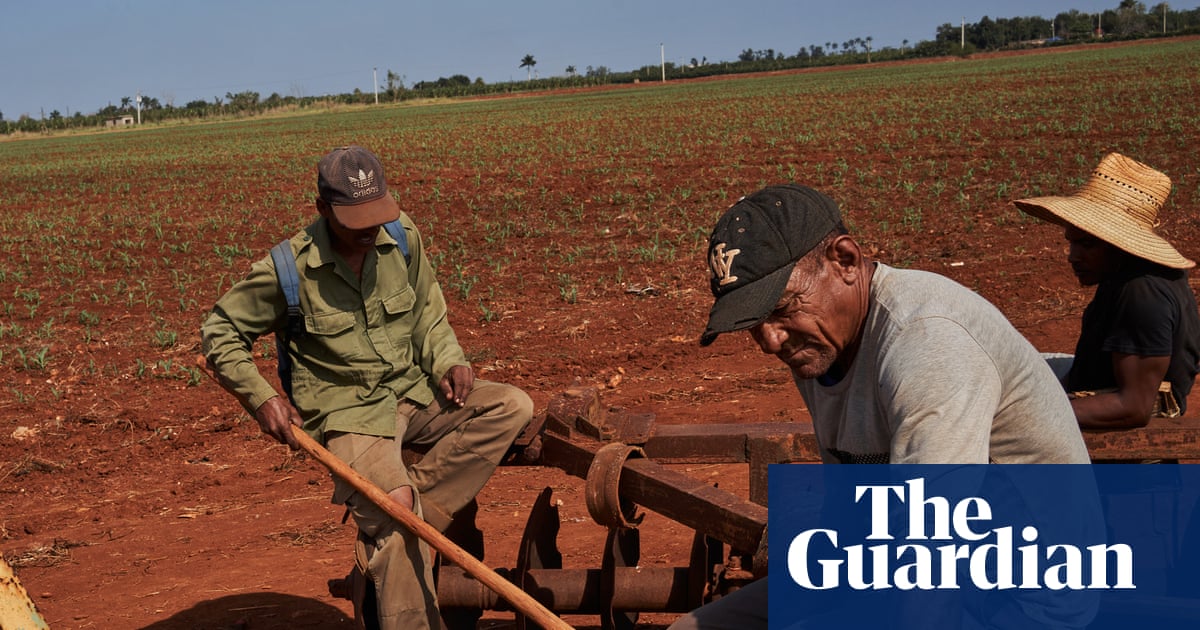
In the sun-drenched corn furrows of Artemisa, the struggle for survival has become a daily calculation of pesos and calories. For farmers in Cuba’s agricultural heartland, the combination of stringent international sanctions and chronic fuel shortages has transformed a traditionally difficult profession into an almost impossible feat of endurance.
Abraham Rodríguez, who is turning 26 this year, has spent nearly half his life working the land. He began farming at the age of 13 following his mother’s divorce, but the resilience developed in his youth is being tested by a collapsing economic reality. In Artemisa, where the heat is as oppressive as the financial strain, the basic costs of living have decoupled from the wages of those producing the nation’s food.
The financial disparity is stark. Rodríguez earns 1,200 pesos (approximately £1.80) per day, a sum that fails to cover the most basic necessities. According to Rodríguez, the current economic climate means he must work two full days just to afford a single bottle of oil.
The Crisis in Artemisa’s Agricultural Heartland
Artemisa serves as a critical hub for Cuban agriculture, yet the region is currently grappling with systemic failures that threaten food security. The primary drivers of this instability are acute fuel shortages and the overarching weight of economic sanctions, which have made the procurement of machinery parts and energy nearly impossible Artemisa Farmers Struggle Amid Cuban Sanctions and Fuel Shortages.
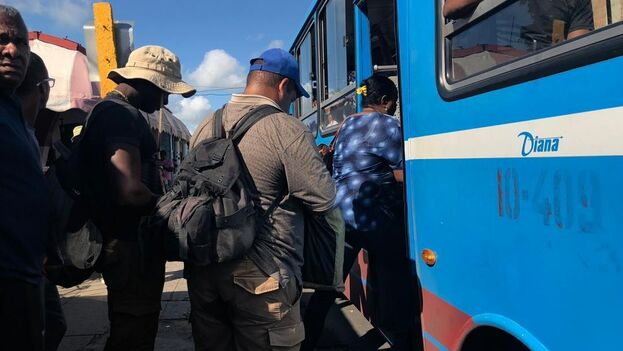
For farmers like Rodríguez, the lack of fuel means that mechanized ploughing is often out of reach, forcing a return to grueling manual labor under a punishing sun. This regression in productivity occurs at a time when the cost of living is skyrocketing, leaving rural workers in a state of perpetual economic precariousness.
The Human Cost of Geopolitical Pressure
The hardships faced in the fields of Artemisa are viewed by many locals as the direct result of an external pressure campaign. The geopolitical tension between the United States and Cuba has manifested not in diplomatic halls, but in the empty fuel tanks and depleted wallets of the rural poor.
The impact of these sanctions is not felt uniformly across the population, but it is acutely concentrated among those who provide the country’s primary food sources. As sanctions tighten and economic hardship grows, the distance between the labor performed in the fields and the ability to purchase the resulting produce continues to widen Cuban Farmers Struggle Amid Sanctions and Economic Hardship.
“I make 1,200 pesos (£1.80) a day, so I have to work two days to buy a bottle of oil.”
Key Impacts on Rural Production
- Wage Erosion: Daily earnings for agricultural laborers are insufficient to cover basic cooking oils and staples.
- Fuel Scarcity: Lack of diesel and gasoline prevents the efficient employ of tractors and transport.
- Labor Strain: Increased reliance on manual labor due to equipment failure and lack of replacement parts.
- Food Insecurity: The struggle of the farmers in the “agricultural heartland” threatens the broader supply chain for the island.
The situation in Artemisa underscores a broader pattern where the most vulnerable segments of the population bear the brunt of high-level diplomatic conflicts. For the farmers of Cuba, the “pressure campaign” is not a political strategy, but a daily struggle to secure the most basic requirements for survival.
As the economic crisis persists, the focus remains on whether relief in fuel supplies or a shift in sanction policies will provide the necessary breathing room for the agricultural sector to recover.
We invite our readers to share their perspectives on the intersection of geopolitics and food security in the comments below.
Worth a look