Public discourse surrounding marriage and partner selection in Egypt has intensified following a tragic incident involving a woman from Alexandria. The event has prompted high-profile media personalities and artists to share guidance for young women navigating the complexities of choosing a life partner, emphasizing the necessity of emotional stability and moral integrity over superficial attributes.
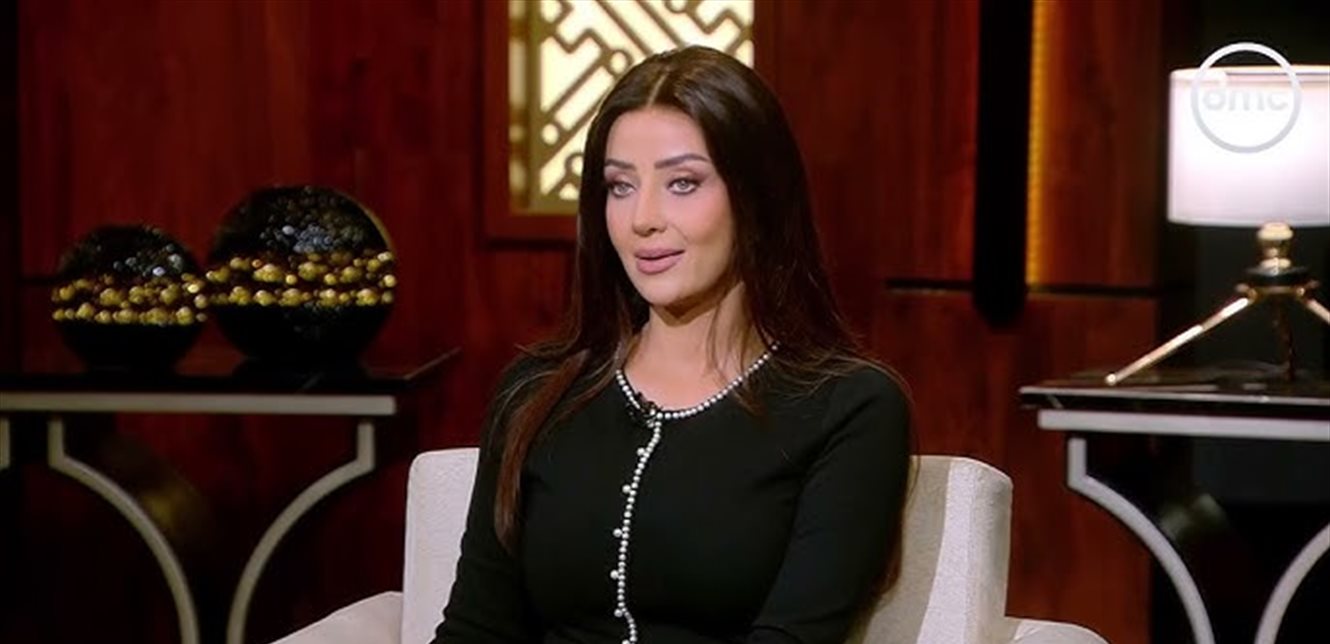
Prominent media figure Radwa El Sherbiny has addressed these concerns, offering a strategic approach—or a “prescription”—for women entering marriage. Her commentary focuses on the long-term implications of partner choice, particularly in the context of family stability and the protection of women’s rights within the domestic sphere.
The conversation has expanded beyond media circles, with artists like Nashwa Mostafa also weighing in. Mostafa shared specific criteria for selecting a spouse, urging women to prioritize men who are raised in respectful environments and who demonstrate a genuine fear of God and a commitment to the rights of their wives, and children.
Guidance on Partner Selection Following the Alexandria Incident
The urgency of these messages stems from the “Alexandria woman” incident, which served as a catalyst for discussions on domestic safety and the critical nature of vetting a partner before marriage. Radwa El Sherbiny’s response focuses on providing a framework for women to evaluate potential spouses, stressing that the foundation of a healthy marriage is built on the character and upbringing of the husband.

Adding to this perspective, artist Nashwa Mostafa utilized her social media presence to provide direct advice. On April 13, 2026, Mostafa emphasized that women should seek a partner who serves as a reliable support system. Specifically, she stated, “When you get married, choose a man raised in a respectable home… Choose a support and a back that can be relied upon… Choose the one who fears God and knows the rights of his wife and children… Choose a father for your children that they will be proud of” Caravan News.
These combined messages highlight a shift toward emphasizing “moral capital”—such as family background and religious adherence—as the primary indicators of a partner’s future behavior as a husband and father.
The Role of Fatherhood and Responsibility After Divorce
A significant portion of the current debate also touches upon the responsibilities of fathers after the dissolution of a marriage. The discourse suggests that the complete of a marital contract does not terminate the biological and moral obligations of a father toward his children.
Public figures have spoken out against the trend of fathers abandoning their children post-divorce, asserting that “divorce does not exempt you from fatherhood.” This perspective argues that the stability of the children must remain a priority, regardless of the relationship status between the parents. The goal is to ensure that children are not the primary victims of marital conflict, reinforcing the idea that a man’s value is tied to his consistency in providing care and support for his offspring.
Nashwa Mostafa’s Professional Transition and Artistic Work
While engaging in these social discussions, Nashwa Mostafa has also shared updates regarding her professional career. She recently revealed her participation in the series “Had Aqsa” (Maximum Limit), where she portrays a character working in the medical field.
Mostafa noted that this role is distinct from her previous work, involving specific details and nuances within the plot of the series. She expressed satisfaction with the collaboration among the production team, citing a high level of commitment behind the scenes that she believes will be evident in the final quality of the work Caravan News.
Key Criteria for Selecting a Spouse
Based on the shared advice from these public figures, the following attributes are highlighted as essential when choosing a partner:
- Upbringing: A preference for individuals raised in “respectable homes” as an indicator of ingrained values.
- Reliability: The partner must be a “support and back” (sanaad wa dahr), meaning they are dependable during crises.
- Moral Compass: A demonstrated “fear of God,” which is viewed as a safeguard for the rights of the spouse and children.
- Paternal Potential: Evaluating whether the man possesses the qualities of a father that children can be proud of.
These guidelines are presented not merely as romantic suggestions but as protective measures intended to prevent the types of domestic tragedies that have recently captured public attention in Alexandria.
As these social conversations continue to evolve, the focus remains on empowering women to make informed decisions and holding men accountable for their roles within the family unit. Further updates on the legal proceedings or official responses regarding the Alexandria incident are expected as the case progresses.
We invite our readers to share their perspectives on these social standards in the comments below and share this article to continue the conversation on family stability.
Related reading