Navigating the evolving landscape of telecommunications in Eastern Europe requires a keen eye on pricing and service expansion. For many households in Romania, the cost of staying connected is a primary concern, particularly regarding the accessibility of cable and internet services. As of April 2026, the conversation surrounding Digi RCS-RDS România’s pricing reflects the broader competitive nature of the Romanian tech market.
The current market environment sees Digi Communications N.V. operating as a dominant force in integrated services. By offering a combination of cable and satellite television, fixed and mobile telephony, and broadband internet, the company has maintained a strong grip on its core segments through aggressive infrastructure investment and competitive pricing strategies.
For users seeking a standard cable connection, the monthly subscription cost is reported at 38.64 lei for April 2026. This pricing structure is part of a wider strategy to keep services affordable while expanding the company’s footprint across Europe, including recent ventures into Spain, Italy, Belgium, and Portugal.
The company’s ability to maintain these price points is largely tied to its massive infrastructure. In Romania and Hungary, over 90% of its networks utilize fiber optics, allowing for high-speed delivery and operational efficiency that supports its budget-friendly subscription models.
The Strategic Growth of Digi Communications
Founded in 1992 by a group that included Zoltán Teszári, the company began as TVS Holding Brașov, focusing on cable TV infrastructure. From those early days in Brașov and Timișoara, the organization evolved into a multinational entity. The transition from a local provider to a public company was solidified with its initial public offering on the Bucharest Stock Exchange in 2017, where it is traded under the ticker BVB: DIGI.
This growth has not been limited to the Romanian borders. The company expanded into Hungary in 1998 and more recently entered the Spanish market in 2018. This international trajectory is supported by a robust financial foundation, with reported revenues of €1.70 billion in 2023 .
The operational scale is significant, employing 10,177 people as of 2023. This workforce manages a diverse product portfolio that includes not only the standard cable services but also Internet of Things (IoT) solutions and advanced mobile telephony, including the launch of commercial 5G services in Romania back in 2019.
Service Offerings and Consumer Value
Beyond the basic cable subscription, Digi provides a variety of “extra-options” designed to increase the value of their packages. For instance, users with Digi TV can activate the MAXPAK option to gain access to HBO Max without additional costs, demonstrating a strategy of bundling premium content to retain subscribers.
The company also leverages its mobile network to offer integrated deals. Current offerings include smartphones bundled with “Unlimited” (Nelimitat) plans, featuring devices such as the Motorola G86 5G, Xiaomi Redmi 15 4G, and OPPO Reno 14F 5G . These bundles often include zero-down-payment options with monthly installments, making high-end hardware more accessible to the general public.
For those managing their accounts, the company provides a centralized authentication portal through DIGI Romania S.A., which allows users to manage their documents and subscriptions across its various European territories, including Spain, Italy, Belgium, and Portugal .
Market Impact and Infrastructure
The impact of Digi’s pricing and infrastructure on the Romanian market is profound. By prioritizing fiber optics, the company has set a high benchmark for broadband speed and reliability. This technological edge allows them to offer competitive monthly rates, such as the 38.64 lei subscription, while still maintaining the capacity to scale their services.
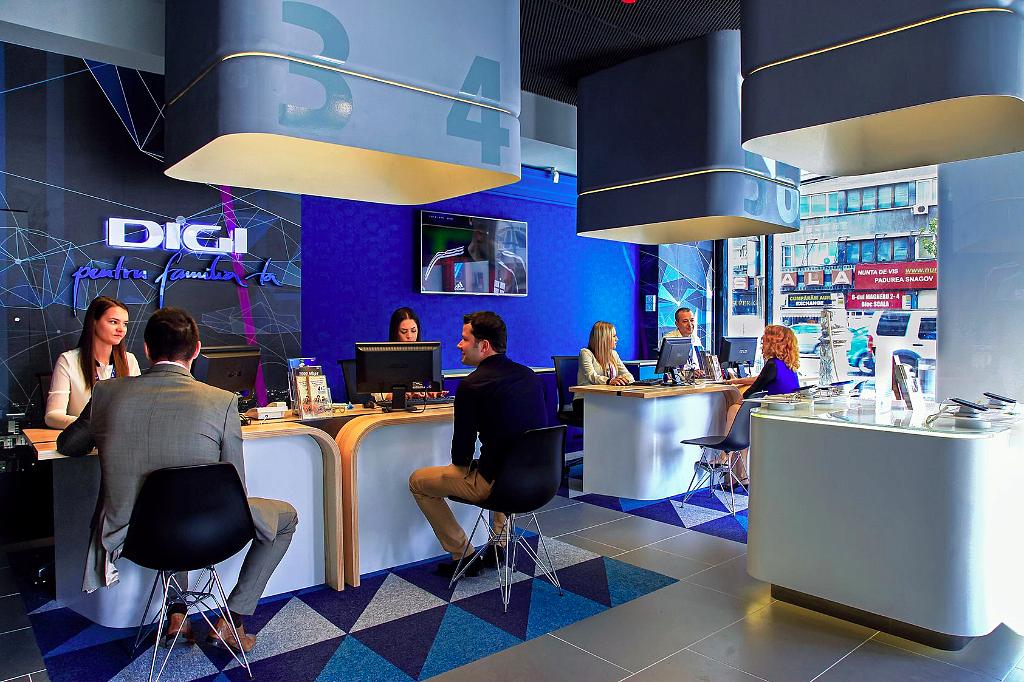
The company’s leadership, headed by Chairman Zoltán Teszári and CEO Serghei Bulgac, has focused on “integrated services.” So that a single provider can handle a household’s entire digital needs—from the television in the living room to the mobile data on a smartphone and the broadband connection for home offices.
Key Takeaways for Consumers
- Current Pricing: The reported cable subscription cost for April 2026 is 38.64 lei per month.
- Network Quality: Over 90% of networks in Romania and Hungary are fiber-optic based.
- Service Range: Offerings include fixed/mobile telephony, broadband, IoT, and 5G services.
- European Presence: Services are available in Romania, Spain, Italy, Belgium, and Portugal.
As the telecommunications sector continues to evolve, subscribers are encouraged to monitor official company announcements via the official Digi website for the most current plan updates and promotional offers.
We invite our readers to share their experiences with these service bundles in the comments section below. Let us know if these pricing tiers remain competitive in your region.
Keep reading