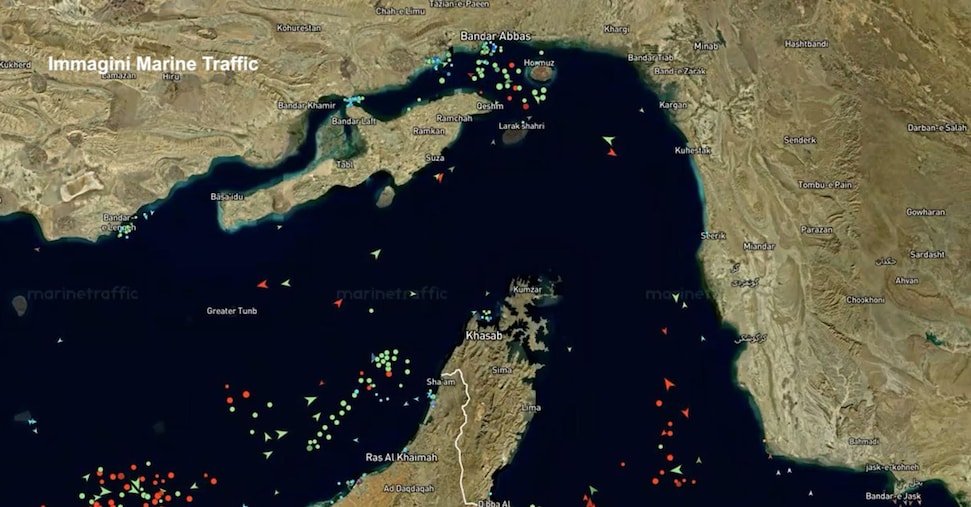
Tensions in the Persian Gulf have reached a critical flashpoint as the United States begins a naval blockade of Iranian ports, a move that has sent global energy markets into a tailspin. The operation, ordered by President Donald Trump, follows the collapse of peace talks between the U.S. And Iran on April 12, 2026. The blockade officially commenced at approximately 10 a.m. ET on April 13, targeting all vessels entering or departing Iranian coastal areas, including ports on the Arabian Gulf and the Gulf of Oman USA Today.
This strategic maneuver in the Strait of Hormuz—a narrow waterway through which roughly 20% of the world’s oil passes—comes after weeks of pressure from the Trump administration to reopen the route NBC News. The escalation has triggered an immediate economic reaction, with crude oil prices soaring above $100 per barrel and global stocks falling as investors brace for a prolonged disruption of one of the world’s most vital trade arteries NBC News.
The U.S. Central Command (CENTCOM) has clarified that the blockade is specifically aimed at maritime traffic entering and exiting Iranian ports. According to CENTCOM, the operation will be enforced “impartially” against all vessels, regardless of the flag they fly NBC News. Crucially, the military maintains that it will not impede the freedom of navigation for ships simply transiting the strait to reach ports in other nations NBC News.
Despite these strict mandates, the geopolitical landscape remains volatile. While NATO allies have refused to join the blockade, Israel’s Prime Minister Benjamin Netanyahu has expressed his support for the measure USA Today. The situation is further complicated by a precarious two-week ceasefire in Iran, the status of which remains unclear following the breakdown of diplomatic efforts in Pakistan USA Today.
Operational Scope and Military Deployment
The scale of the U.S. Naval presence is significant, though official specifics remain limited. An unidentified official cited by The Wall Street Journal indicated that at least 15 U.S. Warships are participating in the blockade USA Today. The U.S. Military has not yet confirmed if warplanes will be deployed to support the naval forces or provided the exact number of assets involved in the operation USA Today.
A critical component of the current maritime environment is the presence of naval mines. In the days leading up to the blockade, U.S. Central Command released images showing forces beginning the process of clearing mines in the Strait of Hormuz NBC News. The removal of these hazards is essential for the safety of the blockade fleet and any neutral shipping attempting to navigate the area.
To manage the risks to neutral shipping, the U.S. Has followed standard naval blockade protocols by announcing the operation and defining its boundaries. This process is intended to allow non-combatant vessels to seek alternate routes or request passage on humanitarian grounds USA Today. However, the reality on the water is already strained, with reports of hundreds of tanker ships stalled in clusters near the Strait of Hormuz as of early April 2026 USA Today.
Economic Fallout and Energy Market Volatility
The blockade of Iranian ports has sent a shockwave through global energy markets. Because the Strait of Hormuz is the primary artery for oil exports from the region, any restriction on traffic—even one limited to Iranian ports—creates immediate uncertainty regarding supply stability. This uncertainty drove crude oil prices to surge past the $100 mark almost immediately after the announcement NBC News.
Market analysts and policymakers are currently grappling with the paradox of the U.S. Strategy. For several weeks, the Trump administration had been pressuring Tehran to reopen the waterway to ensure the flow of commerce NBC News. The decision to now blockade the very route the U.S. Sought to open has led to questions about the long-term economic impact on the United States and its allies, particularly regarding inflation and gas prices USA Today.
The economic pressure is a central pillar of the administration’s approach. President Trump had previously warned that he would obliterate the “whole civilization” of Iran if the waterway was not reopened, signaling a willingness to use extreme leverage to achieve geopolitical goals NBC News.
Diplomatic Breakdown and the Path Forward
The current crisis is the direct result of a diplomatic failure. Peace talks held in Pakistan between U.S. And Iranian negotiators ended without a breakthrough on April 12, 2026 USA Today. Both nations have since traded blame for the impasse, leaving no clear diplomatic channel for a peaceful resolution of the blockade.
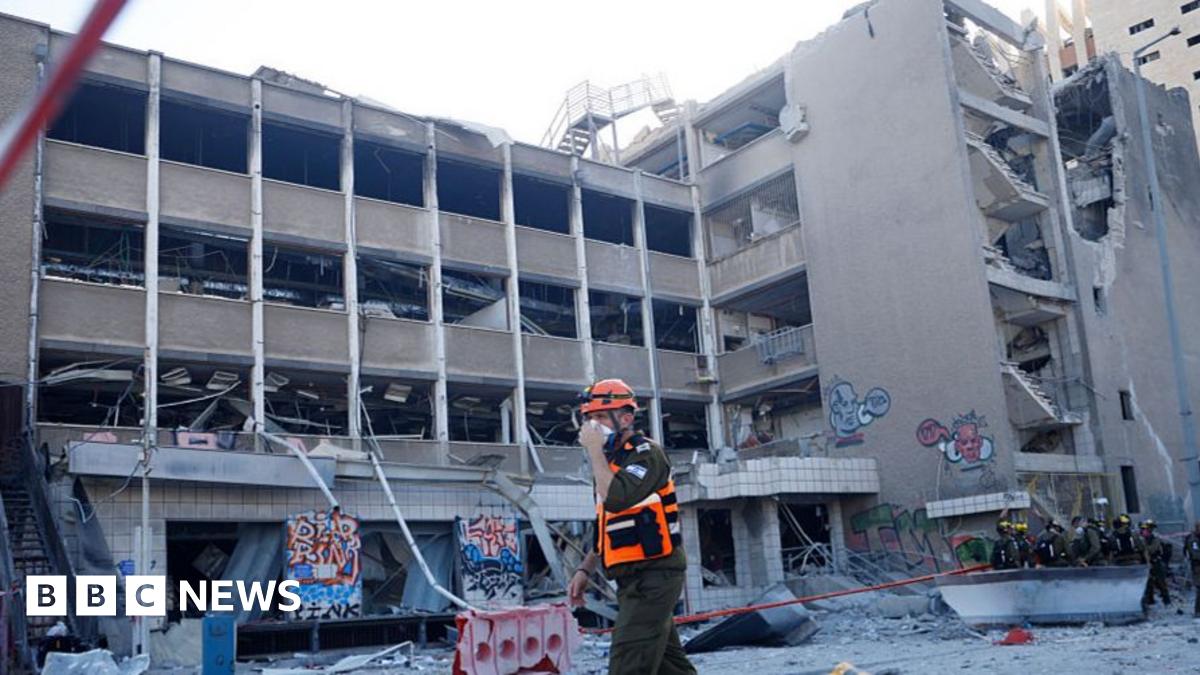
Iran has condemned the U.S. Actions as “piracy” USA Today. The Iranian government views the blockade as an illegal infringement on its sovereignty and a violation of international maritime law. The tension is exacerbated by the fact that the blockade is being enforced “impartially” against all ships, meaning that third-party nations—such as China or European states—may find their commercial vessels intercepted if they attempt to trade with Iranian ports NBC News.
Key Takeaways of the Blockade
- Start Date: The blockade began at 10 a.m. ET on April 13, 2026 USA Today.
- Target: Maritime traffic entering or exiting Iranian ports in the Arabian Gulf and Gulf of Oman NBC News.
- Military Scale: At least 15 U.S. Warships are reported to be involved USA Today.
- Economic Impact: Crude oil prices have surged above $100 per barrel NBC News.
- Diplomatic Status: Peace talks in Pakistan failed on April 12, 2026 USA Today.
As the international community watches the Strait of Hormuz, the focus now turns to whether the economic pressure will force Iran back to the negotiating table or if the blockade will lead to a direct military confrontation. The U.S. Continues to notify shipping companies that the restrictions apply regardless of the vessel’s flag USA Today.
The next critical checkpoint will be the expiration of the current two-week ceasefire in Iran, which may determine whether the conflict escalates beyond a naval blockade into a broader regional war.
World Today Journal encourages readers to share this report and leave comments below regarding the potential impact of these events on global energy prices.
Keep reading