
For over two decades, Nintendo has mastered the art of the “digital sanctuary.” What began as a quiet, low-profile experiment on the Nintendo 64 has evolved into a global cultural phenomenon, redefining how a generation perceives the concept of “gaming.” Animal Crossing is not merely a series of simulation titles; This proves a slow-living manifesto that encourages players to embrace the mundane, cultivate friendships with eccentric animal villagers, and find peace in the rhythmic cycle of a virtual calendar.
As the franchise approaches its landmark 25th anniversary—dating back to its original 2001 Japanese debut—the conversation among the gaming community has shifted from “what comes next” to “where does it go from here?” The series reached an unprecedented zenith with 2020’s Animal Crossing: New Horizons, a title that arrived at the exact moment the world was forced into lockdown. It provided more than just entertainment; it provided a social lifeline, allowing millions to visit friends’ islands when they could not depart their own homes.
Still, the landscape of the “cosy game” has changed drastically since the early days of the GameCube and Wii. While Animal Crossing once stood alone in its genre, it now faces a crowded market of “wholesome” competitors. From the deep farming mechanics of Stardew Valley to the celebrity-driven allure of Disney Dreamlight Valley, the appetite for low-stress, high-customization gameplay has exploded. For a franchise that once defined the category, the challenge is no longer about finding an audience, but about maintaining its crown in an era of endless alternatives.
The Pandemic Peak and the ‘New Horizons’ Effect
The trajectory of Animal Crossing changed forever on March 20, 2020. The release of New Horizons coincided with global stay-at-home orders, transforming the Nintendo Switch into the essential tool for social interaction. By shifting the gameplay to a deserted island where players had total control over terraforming and design, Nintendo tapped into a primal human desire for agency and order during a time of global chaos.
The numbers reflect this cultural saturation. According to official financial reports from Nintendo, Animal Crossing: New Horizons has sold over 45.85 million copies, making it one of the most successful titles in the company’s history. It didn’t just sell consoles; it created a secondary economy of “turnip trading” and a viral trend of “island tours” on social media, proving that the series had moved beyond a niche hobby into a mainstream lifestyle brand.
Yet, this massive success brought a peculiar challenge. Nintendo, known for its meticulous and sometimes enigmatic release schedules, provided extensive updates to the game for several years before support began to wind down. This has left a vacuum in the market. For many fans, the “post-lockdown” era of the game has felt stagnant, leading to an intense, almost desperate longing for a sequel that can push the boundaries of the simulation genre further.
The Rise of the ‘Cosy Game’ Competition
For years, Animal Crossing was the gold standard for “cosy gaming”—a term used to describe games that prioritize comfort, community, and creativity over conflict and competition. But the “lunch” that Animal Crossing once enjoyed exclusively is now being shared with a variety of indie and AAA titles. The “cosy” label has turn into a recognized marketing category, and the competition is fierce.
Titles like Stardew Valley offered a level of mechanical depth in farming and relationship-building that Animal Crossing intentionally avoids. Meanwhile, newer entries in the genre have integrated complex RPG elements or high-fidelity graphics that make the charming, simplistic aesthetic of Animal Crossing feel dated to some. The rise of these alternatives has forced a critical glance at the series’ evolution; specifically, the perceived “softening” of its characters.
Long-time players often recall the “sass” of earlier entries. In the original GameCube and Wii versions, villagers could be acerbic, moody, or even slightly rude, which gave the social simulation a layer of authenticity and unpredictability. In New Horizons, many argue that the characters have become uniformly pleasant, sanding off the edges of the personalities to create a more “safe” and polished experience. This shift toward a more sanitized version of virtual friendship is a point of contention for veterans who miss the friction that made the early relationships feel earned.
Nintendo’s Strategic Silence and the Future of Simulation
The most pressing question remains: when will we see a new entry? Nintendo’s history suggests a pattern of waiting until a new hardware cycle to launch a major franchise reboot. Just as New Horizons was the perfect showcase for the Switch’s portability, the next Animal Crossing will likely be designed to highlight the capabilities of Nintendo’s future hardware.
However, the danger of waiting too long is the risk of losing the “cosy” vanguard. The gaming market is currently in a state of rapid iteration. Players are now accustomed to more robust online integration, deeper customization tools, and more complex narrative arcs—things that Animal Crossing has historically approached with caution. If Nintendo continues to lean on the “simplicity” of the experience, they risk being overshadowed by titles that offer both the comfort of a virtual home and the engagement of a modern game.
To remain relevant, a future sequel will likely need to address three key areas:
- Character Depth: Reintroducing the diverse, sometimes challenging personalities of the early villagers to create more dynamic social interactions.
- Mechanical Evolution: Expanding beyond the “crafting” loop introduced in New Horizons to offer more meaningful progression.
- Enhanced Connectivity: Moving away from the cumbersome “Dodo Code” system toward a more seamless, integrated social experience.
Comparing the Evolution of the Cosy Genre
| Feature | Animal Crossing Series | Modern Indie Cosy Games | AAA Simulation Titles |
|---|---|---|---|
| Pacing | Real-time clock synchronization | Player-controlled day/night cycles | Variable or fast-paced progression |
| Conflict | Virtually non-existent | Low-stakes (e.g., mining, foraging) | Occasional light combat or puzzles |
| Goal Setting | Open-ended / Emergent | Quest-driven / Completionist | Narrative-driven / Milestone-based |
| Customization | Heavy focus on decor/fashion | Focus on land management/farming | Character-centric / World-building |
The Enduring Appeal of the Digital Escape
Despite the competition and the long silence from Kyoto, the fundamental appeal of Animal Crossing remains untouched. There is a specific, irreplaceable magic in checking your mailbox on a rainy Tuesday in November or spending an hour meticulously arranging furniture in a tiny cottage. It is a game that doesn’t demand your time; it invites it. In an industry increasingly obsessed with “battle passes,” “microtransactions,” and “engagement metrics,” Animal Crossing stands as a defiant reminder that gaming can be about nothing more than existing in a peaceful place.
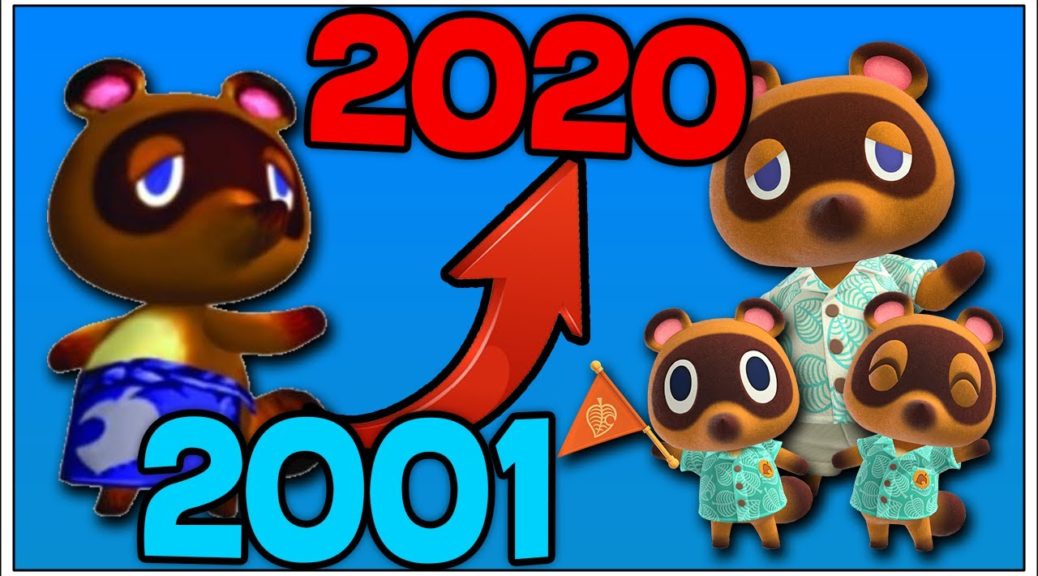
As the series moves toward its silver anniversary, the stakes are high. Nintendo has a choice: they can continue to play it safe, relying on the brand’s immense goodwill, or they can take a bold step forward to reclaim the innovation that made the series a “low-profile experiment” twenty-five years ago. The world is now far more “cosy” than it was in 2001, and for Animal Crossing to thrive, it must once again prove that it is the original and best architect of the virtual escape.
While official word on a new title remains scarce, the community continues to preserve the islands alive, proving that the desire for a slow-paced, friendly world is stronger than ever. The next move belongs to Nintendo.
What are your hopes for the next era of Animal Crossing? Do you prefer the polished kindness of New Horizons or the sass of the early games? Let us know in the comments below and share this article with your favorite villager.
Worth a look