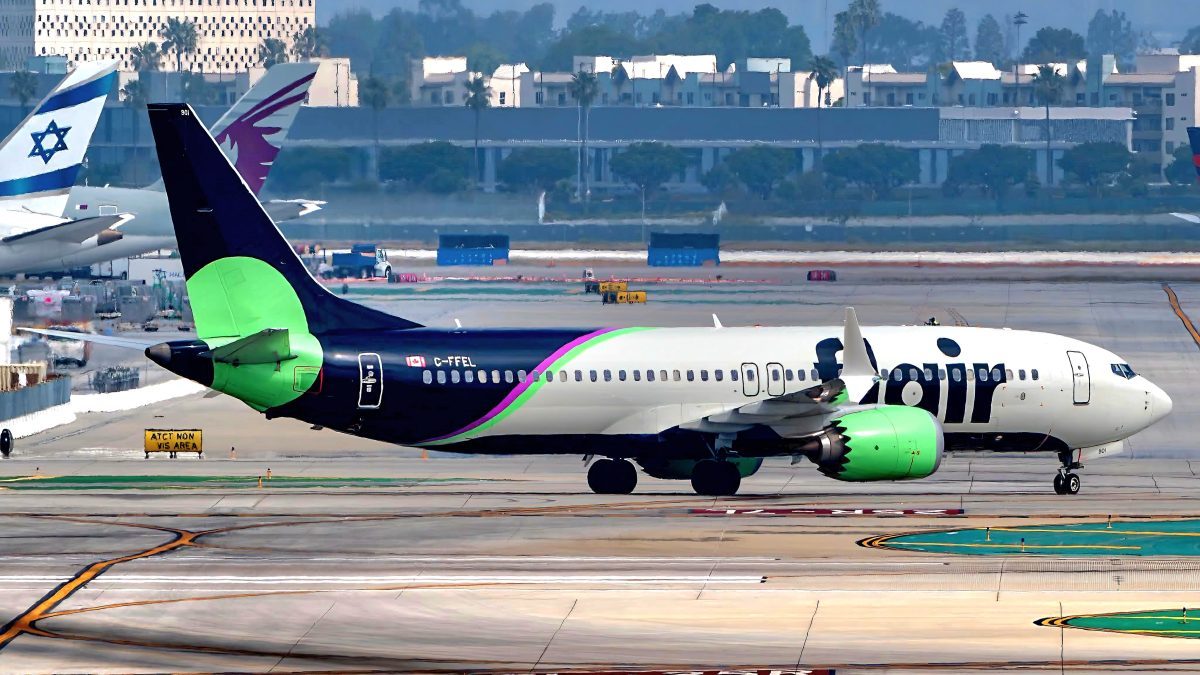
The Canadian Transportation Agency (CTA) has officially granted Flair Airlines the authorization to operate regular international flights to Cuba, marking a significant development for the low-cost carrier as it seeks to expand its Caribbean footprint. The decision, published on April 8, confirms that the Edmonton-based airline meets all applicable regulatory requirements to establish these routes according to the CTA’s resolution.
Despite the regulatory “green light,” the airline has not yet released specific flight schedules or launch dates. The license remains subject to the conditions outlined in the Canadian Air Transport Regulations. This authorization comes at a precarious time for Cuban aviation, as the island continues to struggle with a severe energy crisis that has disrupted air travel for months as reported by Cubadebate.
The current aviation landscape in Cuba is defined by a critical shortage of Jet A-1 aviation fuel, which became commercially unavailable at Cuban airports starting February 10, 2026 per CiberCuba. This shortage was triggered by interruptions in oil supplies from Venezuela and Mexico, which previously accounted for a massive portion of Cuba’s imports. The resulting crisis forced several major Canadian carriers to suspend their services in February, leading to the repatriation of approximately 27,900 tourists according to industry reports.
The Impact of Cuba’s Energy Crisis on Tourism
The fuel shortage has had a devastating effect on the Cuban tourism sector. Data indicates that during January and February 2026, Cuba saw 112,000 fewer visitors compared to the same period in 2025 as detailed by CiberCuba. Hotel occupancy rates plummeted to 18.9% during this timeframe, reflecting the inability of international travelers to reach the island due to the lack of available aviation fuel.

Flair Airlines, which utilizes a fleet of Boeing 737 MAX 8 aircraft, enters this market as other Canadian airlines cautiously plan their returns. The airline has previously expanded into other Caribbean destinations, including Mexico and the Dominican Republic, but the timing of its entry into Cuba remains uncertain given the ongoing operational challenges on the ground.
Comparative Return Timelines for Canadian Carriers
The strategy for returning to Cuba varies significantly among Canadian aviation companies, with some opting for a summer restart and others delaying until late autumn.
| Airline/Operator | Planned Return Date | Destinations/Details |
|---|---|---|
| Sunwing Vacations / Vacances WestJet Québec (via WestJet) | June 20, 2026 | Varadero (VRA) and Cayo Coco (CCC) from Toronto, Montreal, and Quebec City (Preliminary) |
| Air Transat | At least June 20, 2026 | Return postponed until at least this date (Per memo to travel advisors) |
| Air Canada | November 1, 2026 | Delayed due to persistent operational issues, including power outages and hotel closures (Official postponement) |
| Flair Airlines | TBD | Authorized by CTA on April 8; dates not yet announced (Decision published) |
Operational Hurdles and the Path Forward
The cautious approach of Air Canada, delaying flights until November 1, 2026, underscores the severity of the situation. The airline cited “persistent operational problems,” specifically highlighting the impact of energy blackouts and the closure of various hotels across the island per reported communications. For a low-cost carrier like Flair Airlines, these instabilities present a significant risk to operational efficiency and profitability.
For travelers and travel agents, the situation remains fluid. While the CTA has confirmed that Flair Airlines is legally and technically capable of operating these flights, the actual commencement of service depends entirely on the availability of fuel at Cuban airports and the stabilization of the local energy grid.
The next confirmed checkpoint for the industry will be the planned June 20 restart for WestJet-operated packages, which will serve as a litmus test for whether the aviation fuel supply has stabilized enough to support regular international traffic. We encourage readers to share their thoughts on these developments in the comments below.
Related reading