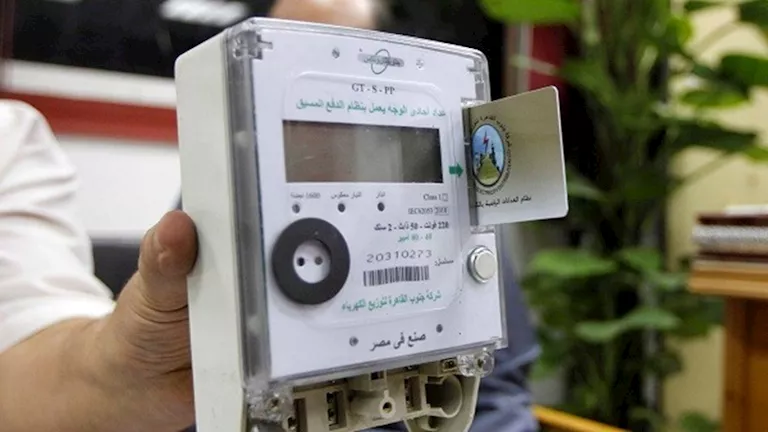
Egypt is moving toward a more standardized approach to electricity billing for residents of informal settlements and those previously flagged as building violators. Recent reports indicate a shift toward a unified electricity price of 2.74 EGP for those utilizing “coded meters,” a move designed to bring consistency to a segment of the population that has historically operated outside traditional legal frameworks.
This development comes as the Egyptian government continues its efforts to formalize utility access and reduce the prevalence of illegal connections, which have long strained the national grid and resulted in significant revenue losses. By implementing a unified rate for coded meters, authorities aim to create a transparent pricing structure for residents in unplanned urban areas while maintaining a pathway toward full legalization.
For many residents, the coded meter serves as a critical bridge. Unlike traditional legal meters, which require full property documentation and building permits, coded meters are installed as a temporary measure to track consumption and eliminate “theft” or illegal tapping of power lines. However, the financial burden on these users often differs from those with legal contracts, making any shift in pricing a point of significant public interest.
The Unified Pricing Model for Coded Meters
According to reports from outlets including Masrawy and Al-Masry Al-Youm, a unified price of 2.74 EGP has been established for electricity consumption via coded meters. While this figure is widely cited in current reporting, this rate applies specifically to the unique billing category assigned to violators and those in informal settlements.
The implementation of a fixed rate is intended to simplify the billing process for millions of households. Previously, the pricing for coded meters could be subject to different interpretations or penalties associated with the illegal status of the building. A unified price provides a level of predictability for low-to-middle-income families residing in these areas, though it remains a distinct category from the tiered pricing available to legal residential subscribers.
Beyond the base price, Notice ongoing discussions regarding the possibility of converting these coded meters into legal ones. Reports suggest that such a conversion could potentially reduce monthly bills by up to half, as legal meters allow users to benefit from government-subsidized residential tiers that are not always available to those on “coded” status.
What are Coded Meters and Who is Affected?
A coded meter (العداد الكودي) is a prepaid electricity meter installed in buildings that lack the necessary legal permits or are located in unplanned “slum” areas. These meters do not grant the resident legal ownership of the property or a legal right to the land; rather, they serve as a tool for the state to regulate electricity consumption and ensure that the energy used is paid for.

As detailed by information provided via the Egyptian Electricity Holding Company (EEHC) and public guidance, these meters are a solution to the problem of “illegal connections.” By replacing makeshift wiring with a coded meter, the government can accurately measure usage and bill the consumer based on actual consumption, effectively treating the service as a commercial transaction rather than a legal residency grant via EEHC public communications.
The primary stakeholders affected by this system include:
- Informal Settlement Residents: Individuals living in areas that were built without official planning approvals.
- Building Violators: Property owners who added floors or expanded structures beyond the legal limits set by urban planning laws.
- The Egyptian Electricity Holding Company (EEHC): The state entity responsible for reducing “non-technical losses” (electricity theft).
How to Apply for and Manage Coded Meters
The process for obtaining a coded meter has been digitized to reduce bureaucracy and limit the potential for corruption. The Egyptian Electricity Holding Company has integrated these requests into a comprehensive digital platform, allowing citizens to apply for service without needing to navigate complex physical office visits.
To request a coded meter or manage existing electricity services, citizens are directed to the official EEHC portal at eehc.gov.eg. For specific application steps, the company utilizes a dedicated “Citizen Services Platform” (منصة خدمات المواطنين) designed to streamline the submission of required data.
The general steps for applying for a coded meter are as follows:
- Access the official e-services portal at eservices.eehc.gov.eg.
- Navigate to the “Citizen Services” section.
- Register the required personal and property data.
- Submit the request for installation through the digital interface.
This digital transition is part of a broader state strategy to formalize the utility sector. By moving applications online, the government can create a database of all units consuming electricity, even those that remain legally contested, which is the first step toward eventual regularization or urban redevelopment.
Broader Economic Context: Consumption and Revenue
The management of electricity pricing in Egypt is a delicate balance between social stability and fiscal necessity. While the unified price for coded meters addresses a specific segment, the broader electricity tariff system relies heavily on a tiered structure.
Expert analysis, including insights from Dr. Hafez Selmawy, suggests that the highest tiers of electricity consumption—those using the most power—represent a small fraction of the total user base but provide a disproportionate amount of revenue for the state. Reportedly, the top consumption tier accounts for only 1.5% of total consumption but generates approximately 20% of the total revenue.
This disparity highlights why the government is keen to move “coded” users toward “legal” status. When users move from a flat or unified “violator” rate to a tiered residential rate, the state can more accurately apply subsidies to the poorest consumers while ensuring that high-usage households pay a premium that helps offset the cost of energy production.
Key Takeaways for Residents
- Current Rate: Reports indicate a unified price of 2.74 EGP for coded meters.
- Purpose: Coded meters track consumption in illegal or unplanned buildings to stop electricity theft.
- Digital Access: All applications and payments should be handled via the official EEHC portal.
- Legalization Benefit: Converting a coded meter to a legal one may significantly reduce monthly costs by allowing access to residential subsidies.
Next Steps and Official Updates
The next critical checkpoint for residents is the ongoing rollout of the “legalization” (تصالح) process for building violations. Once a property owner successfully completes the reconciliation process with the state and pays the necessary fines, they turn into eligible to convert their coded meter into a legal residential meter.

Citizens are encouraged to monitor the EEHC digital platform for updates on new tariff adjustments or updated requirements for the conversion of meters. As the government continues to refine its energy strategy, further adjustments to the unified rate for coded meters may occur based on global fuel prices and domestic subsidy reforms.
World Today Journal encourages readers to share this report and leave comments regarding their experience with the digital transition of utility services in Egypt.