
The geopolitical architecture of the Middle East is currently strained by a fundamental misalignment between the strategic objectives of the United States and the tactical imperatives of the Israeli government. As Washington seeks to prevent a catastrophic regional escalation that could destabilize global energy markets and draw the U.S. Into another protracted conflict, Jerusalem appears increasingly committed to a policy of “maximum pressure” and unilateral military action.
This tension has reached a critical juncture in the ongoing shadow war between Israel and Iran. While the Biden administration has consistently pushed for diplomatic off-ramps and restraint, the Israeli leadership, headed by Prime Minister Benjamin Netanyahu, has frequently pursued a strategy of preemptive strikes and targeted assassinations. This dynamic has led critics and some diplomatic observers to suggest that Israel is actively undermining U.S.-led efforts to establish a sustainable ceasefire or a broader regional security framework.
The friction is not merely a matter of timing but of fundamental goals. For the United States, the priority is the containment of the conflict to avoid a wider war that would jeopardize the stability of the Middle East and impact domestic economic concerns, including oil price volatility. For Israel, the priority is the perceived existential necessity of neutralizing Iran’s nuclear ambitions and dismantling its “ring of fire”—the network of proxies including Hezbollah in Lebanon and Hamas in Gaza.
The Strategic Schism: Containment vs. Neutralization
The divide between Washington and Jerusalem became starkly apparent following the direct exchange of fire between Iran and Israel in April 2024. After Iran launched a massive drone and missile attack in response to an Israeli strike on its consulate in Damascus, the U.S. Worked feverishly to ensure Israel’s retaliation was calibrated and limited. The goal was to signal strength without triggering a full-scale war.
However, the internal political pressure within Israel has pushed the government toward a more aggressive posture. Analysts argue that Prime Minister Netanyahu’s political survival is inextricably linked to the continuation of the conflict. Facing significant domestic unrest and ongoing legal challenges related to corruption, the Israeli leadership has a vested interest in maintaining a state of emergency, which often serves to delay judicial proceedings and postpone electoral cycles.
This internal dynamic creates a scenario where diplomatic breakthroughs—such as a ceasefire with Iranian-backed proxies—are viewed by the Israeli cabinet not as successes, but as obstacles to the total degradation of Iranian regional power. When the U.S. Attempts to broker a “quiet” on the northern border with Lebanon, Israel’s military operations often intensify, effectively closing the window for negotiation.
The Lebanon Flashpoint and the Proxy Dilemma
Lebanon remains the most volatile theater in this strategic struggle. The conflict between the Israel Defense Forces (IDF) and Hezbollah has evolved into a war of attrition that threatens to spill over into a full-scale invasion. Hezbollah, heavily funded and armed by Tehran, serves as Iran’s most potent deterrent against an Israeli attack on Iranian soil.
U.S. Diplomatic efforts have focused on implementing UN Security Council Resolution 1701, which would notice Hezbollah withdraw from the border region in exchange for a cessation of hostilities. Yet, the Israeli government has frequently signaled that diplomacy is insufficient, arguing that only a “decisive victory” through military force can ensure the safety of northern Israeli communities.
This approach often contradicts the U.S. Strategy of “integrated deterrence.” By launching deep-strike missions into Lebanese territory or targeting high-ranking officials, Israel risks forcing Iran’s hand, potentially compelling Tehran to move from proxy warfare to direct engagement to save its most valuable asset in the Levant. The result is a cycle where U.S. Diplomatic “off-ramps” are repeatedly blocked by Israeli tactical “on-ramps.”
Economic Imperatives and the Strait of Hormuz
Beyond the immediate violence, the U.S. Is deeply concerned with the economic ramifications of a total collapse in diplomacy. The Strait of Hormuz, through which approximately one-fifth of the world’s total oil consumption passes, is the primary chokepoint of global energy security. Any conflict that leads Iran to close the Strait or target tankers would send global oil prices soaring, creating an economic shock that would be felt from London to Tokyo.
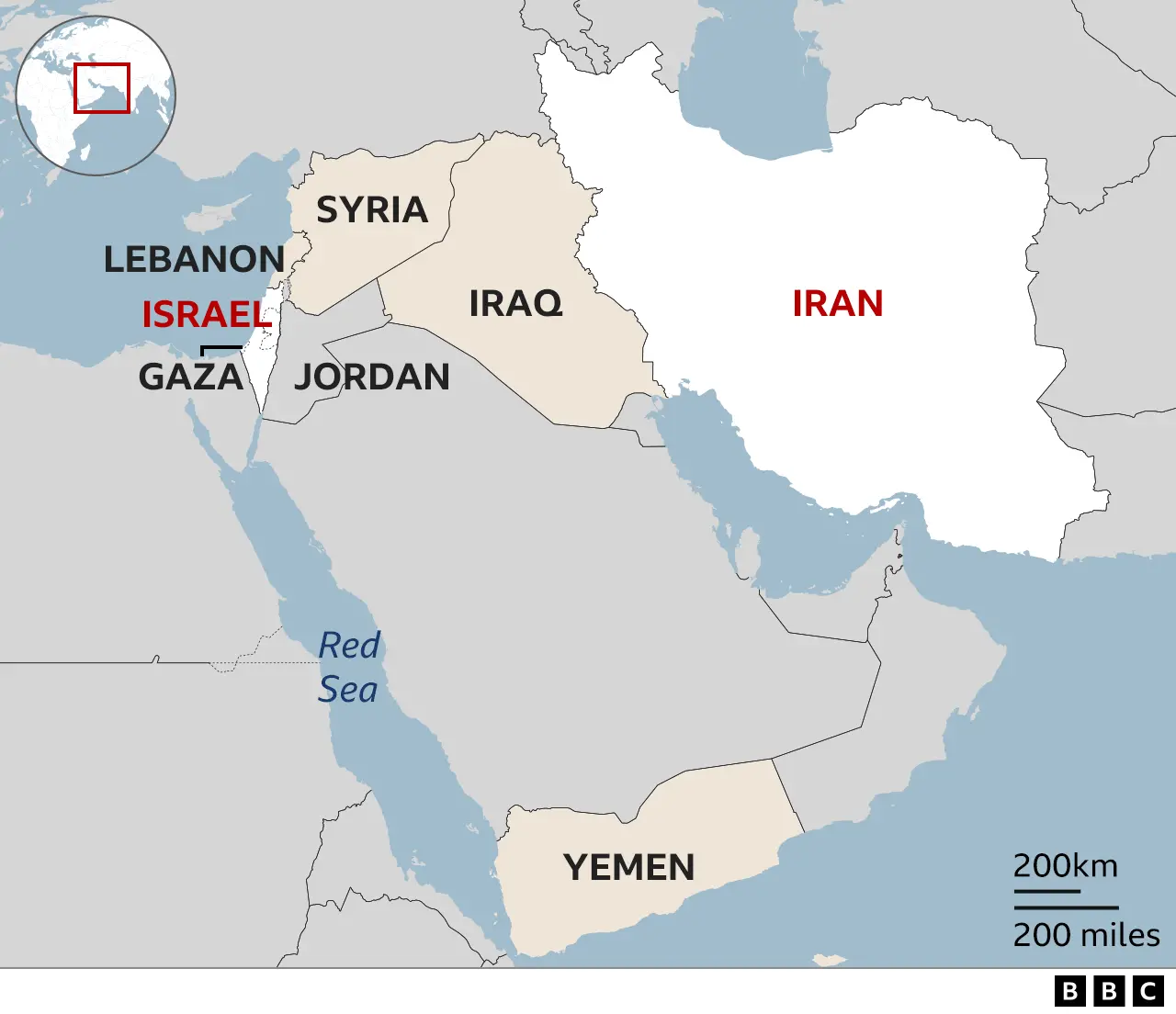
The Biden administration’s approach is therefore driven as much by the Treasury Department as by the State Department. The desire to maintain a “fragile peace” is a hedge against a global recession. Conversely, the Israeli government has historically viewed economic pressure on Iran as a tool of war, believing that a crippled Iranian economy is more likely to lead to internal regime instability.
This discrepancy in “cost-benefit” analysis is where the accusation of sabotage originates. From a Washington perspective, a limited ceasefire is a win for global stability. From a Jerusalem perspective, a ceasefire that leaves the Iranian infrastructure intact is a strategic failure.
Key Geopolitical Drivers of the Conflict
| Objective | United States (Biden Administration) | Israel (Netanyahu Government) |
|---|---|---|
| Regional Goal | Containment and Stability | Neutralization of Iranian Hegemony |
| Tactical Approach | Diplomatic Off-ramps / Calibrated Response | Preemptive Strikes / Decisive Victory |
| Economic Priority | Oil Price Stability / Global Trade | Degrading Iranian Economic Capability |
| Proxy Strategy | De-escalation via Negotiation | Military Dismantling of Proxy Networks |
The Role of Domestic Politics in Foreign Policy
It’s impossible to analyze the “sabotage” narrative without examining the domestic political landscapes of both nations. In the United States, the administration faces a divided electorate and a growing weariness regarding Middle Eastern interventions. The desire to avoid “forever wars” is a potent political force, making the avoidance of a direct clash with Iran a top priority for the White House.
In Israel, the political center of gravity has shifted further to the right. The current coalition government relies on ministers who view any compromise with Iranian-backed entities as a betrayal of national security. For these actors, the “ceasefire” is a Western imposition that ignores the reality of the threat. This creates a feedback loop: the more the U.S. Pushes for peace, the more the Israeli right wing doubles down on the necessity of war to prove its resolve.
This misalignment is further complicated by the upcoming U.S. Election cycle. There is a perception in Jerusalem that different administrations bring different appetites for risk. The memory of the Trump administration’s “Maximum Pressure” campaign—which included withdrawing from the JCPOA (Joint Comprehensive Plan of Action) and designating the IRGC as a terrorist organization—provides a blueprint that some in the Israeli government prefer over the current administration’s more nuanced approach.
What Happens Next?
The path forward remains perilously unclear. The risk of miscalculation is at an all-time high, as both Israel and Iran have demonstrated a willingness to cross previous “red lines.” The U.S. Continues to provide the military hardware and diplomatic cover that allows Israel to operate, yet it finds itself increasingly unable to dictate the terms of those operations.
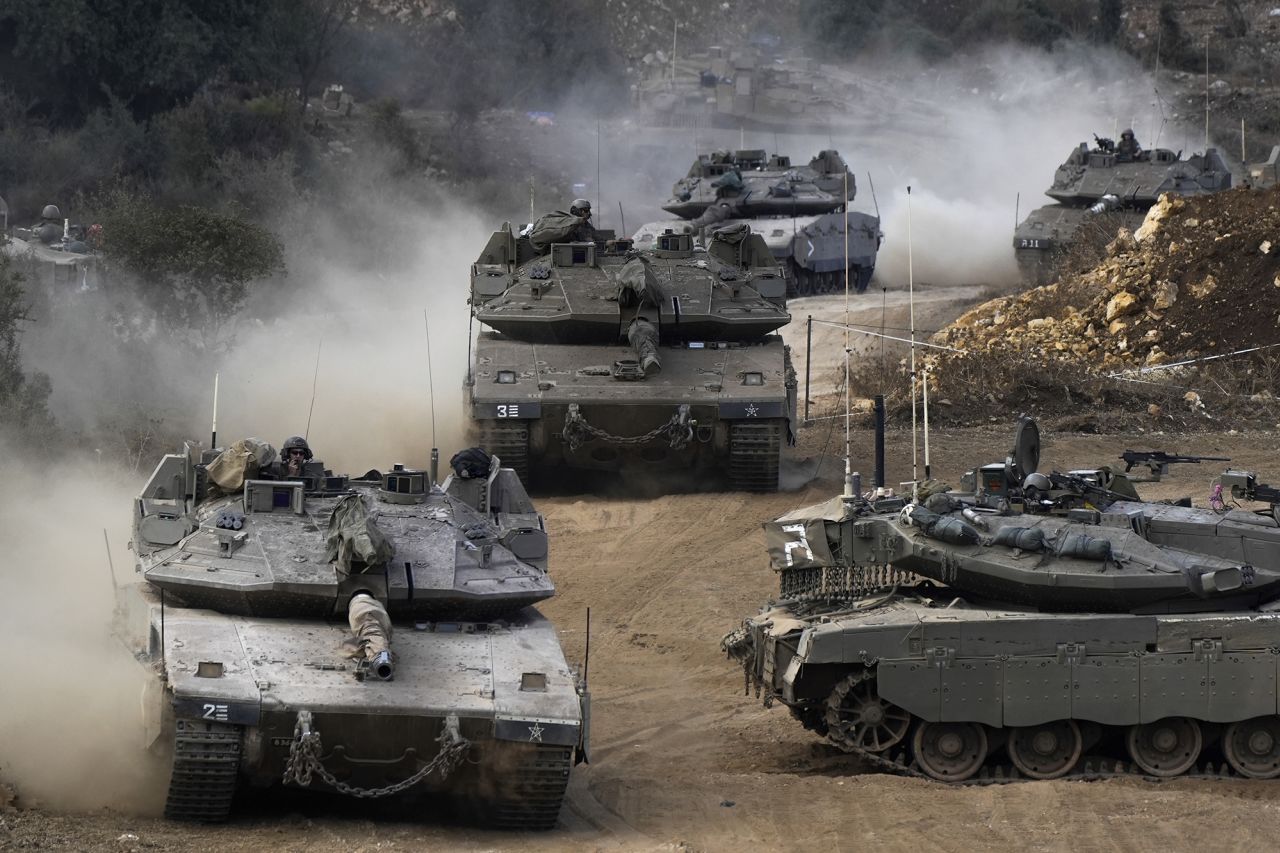
The critical indicator to watch will be the status of the northern border. If Israel launches a full-scale ground offensive into Lebanon, it will likely signal the final collapse of the current U.S. Containment strategy. Such a move would effectively render any talk of an Iran-US ceasefire moot, as the conflict would have transitioned from a shadow war to a regional conflagration.
the “sabotage” of diplomacy is not necessarily a conscious conspiracy, but the result of two allies operating on two entirely different strategic maps. One is mapping a way to avoid a war; the other is mapping a way to win one.
The international community now awaits the next round of diplomatic mediation, likely involving Qatar and Egypt, to see if a sustainable pause can be achieved before the cycle of escalation becomes irreversible.
We desire to hear from you. Do you believe the U.S. Can effectively restrain Israel’s military ambitions, or is the strategic divide now too wide to bridge? Share your thoughts in the comments below.