
Sanigen Co Ltd, a KOSDAQ-listed biotechnology company, is navigating a challenging financial landscape as it seeks to stabilize its operational capital and maintain its standing on the Korean stock market. The company recently announced a third-party allotment capital increase totaling 990 million won, with the funds designated for an individual named Kim Tae-geun.
This strategic move comes at a critical juncture for the firm. Sanigen is currently among a group of KOSDAQ companies facing significant pressure regarding listing maintenance requirements. According to recent market data, the company’s market capitalization has fallen below the 15 billion won threshold, placing it in a precarious position regarding potential substantive review for delisting.
For investors and industry observers, this capital injection is a primary attempt to secure the “operating funds” necessary to sustain its business activities while the company battles the volatility of the biotech sector and strict regulatory oversight from the Korea Exchange.
Understanding the Capital Increase and Third-Party Allotment
A third-party allotment capital increase allows a company to issue new shares to a specific individual or entity rather than offering them to existing shareholders. In this instance, the 990 million won investment by Kim Tae-geun is intended to provide an immediate liquidity boost to Sanigen’s balance sheet.

In the context of the KOSDAQ market, such moves are often used by companies in financial distress to avoid bankruptcy or to meet the minimum capital requirements set by regulators. By securing funds from a third party, Sanigen can theoretically improve its financial ratios without the uncertainty of a public offering that might be rejected by the broader market.
The urgency of this funding is underscored by Sanigen’s current valuation. As of recent reports, Sanigen’s market capitalization was recorded at approximately 13.9 billion won according to iNews24. Because this figure is below the 15 billion won mark, the company is categorized as one of several firms that could potentially grow subject to a substantive review for listing eligibility.
The Threat of Delisting on the KOSDAQ Market
The Korea Exchange (KRX) maintains strict guidelines to ensure the quality of listed companies. When a company’s market capitalization drops below a certain threshold—in this case, 15 billion won—it triggers a warning signal. While Sanigen continues to trade normally for now, it is listed among eight companies whose market caps have fallen below this critical limit, increasing the risk of being flagged for a substantive review.

The pressure on the KOSDAQ market has intensified recently. Reports indicate that 22 companies are already undergoing substantive reviews for delisting, while others, including Sanigen and Coiz, are seeing “red lights” due to their declining valuations as reported by iNews24.
For a biotech firm like Sanigen, which typically requires high R&D spending and long lead times before profitability, these market cap requirements create a “double bind.” The company must uncover ways to increase its valuation or secure capital while simultaneously managing the high costs of biotechnology development.
Comparison of Market Cap Status among KOSDAQ Firms
| Company Name | Approximate Market Cap | Status |
|---|---|---|
| Newbotec | 14.4 Billion Won | Trading Normally |
| Seoul Electronic Communication | 14.3 Billion Won | Trading Normally |
| Hanjoo ART | 14.2 Billion Won | Trading Normally |
| Yesun Tech | 14.0 Billion Won | Trading Normally |
| Sanigen | 13.9 Billion Won | Trading Normally |
| KM Pharmaceutical | 13.9 Billion Won | Trading Normally |
What This Means for Stakeholders
For shareholders, the third-party allotment is a mixed signal. On one hand, the injection of 990 million won provides a necessary lifeline for operations. The issuance of new shares typically leads to equity dilution, meaning existing shareholders own a smaller percentage of the company than they did previously.
However, the immediate priority for Sanigen is not dilution, but survival. If the company cannot raise its market capitalization above 15 billion won, it faces the risk of being moved into a “management item” category or facing a full delisting review. The capital increase is a tactical move to stabilize the company’s internal finances, which may indirectly help in stabilizing the stock price if the market perceives the company as having a more secure financial footing.
The broader biotech industry in Korea has seen significant volatility, with many small-cap firms struggling to maintain their listing status. Sanigen’s situation is reflective of a larger trend where the market is shifting away from speculative biotech plays toward companies with proven revenue streams and sustainable growth models.
Key Takeaways for Investors
- Funding Source: Sanigen is raising 990 million won via third-party allotment to Kim Tae-geun.
- Purpose: The funds are earmarked for essential operating capital.
- Regulatory Risk: Sanigen’s market cap is currently around 13.9 billion won, which is below the 15 billion won threshold required to avoid potential listing reviews.
- Market Context: The company is one of several KOSDAQ firms currently under pressure due to low market capitalization.
Next Steps and Monitoring
The critical path for Sanigen now involves the successful completion of the capital increase and a subsequent effort to boost its market valuation. Investors should monitor official filings on the KOSDAQ market and the Korea Exchange for any announcements regarding “management item” designations or the commencement of a substantive review.
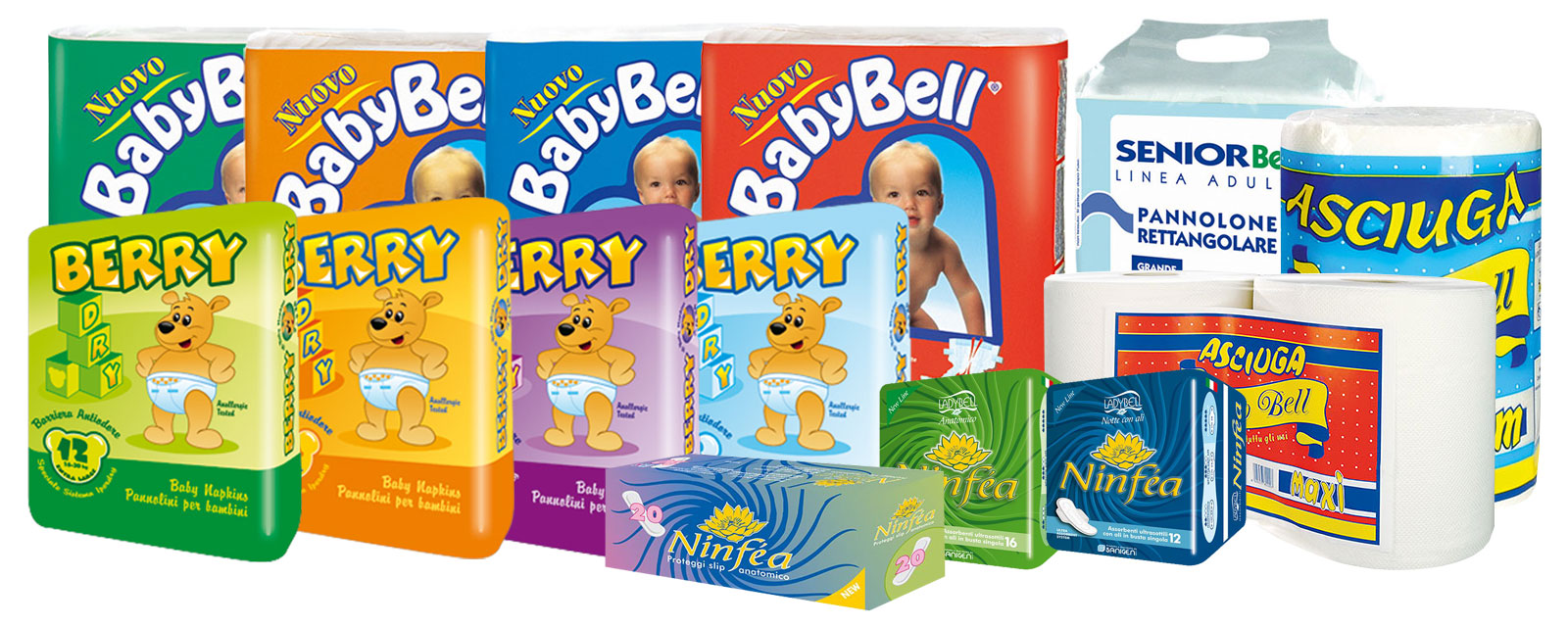
The company’s ability to utilize the 990 million won effectively to drive operational growth will be the primary determinant of whether it can climb back above the 15 billion won market cap threshold.
We will continue to monitor official regulatory filings for further updates on Sanigen’s financial status and listing eligibility. We invite our readers to share their thoughts in the comments section and share this analysis with other biotech investors.
Related reading