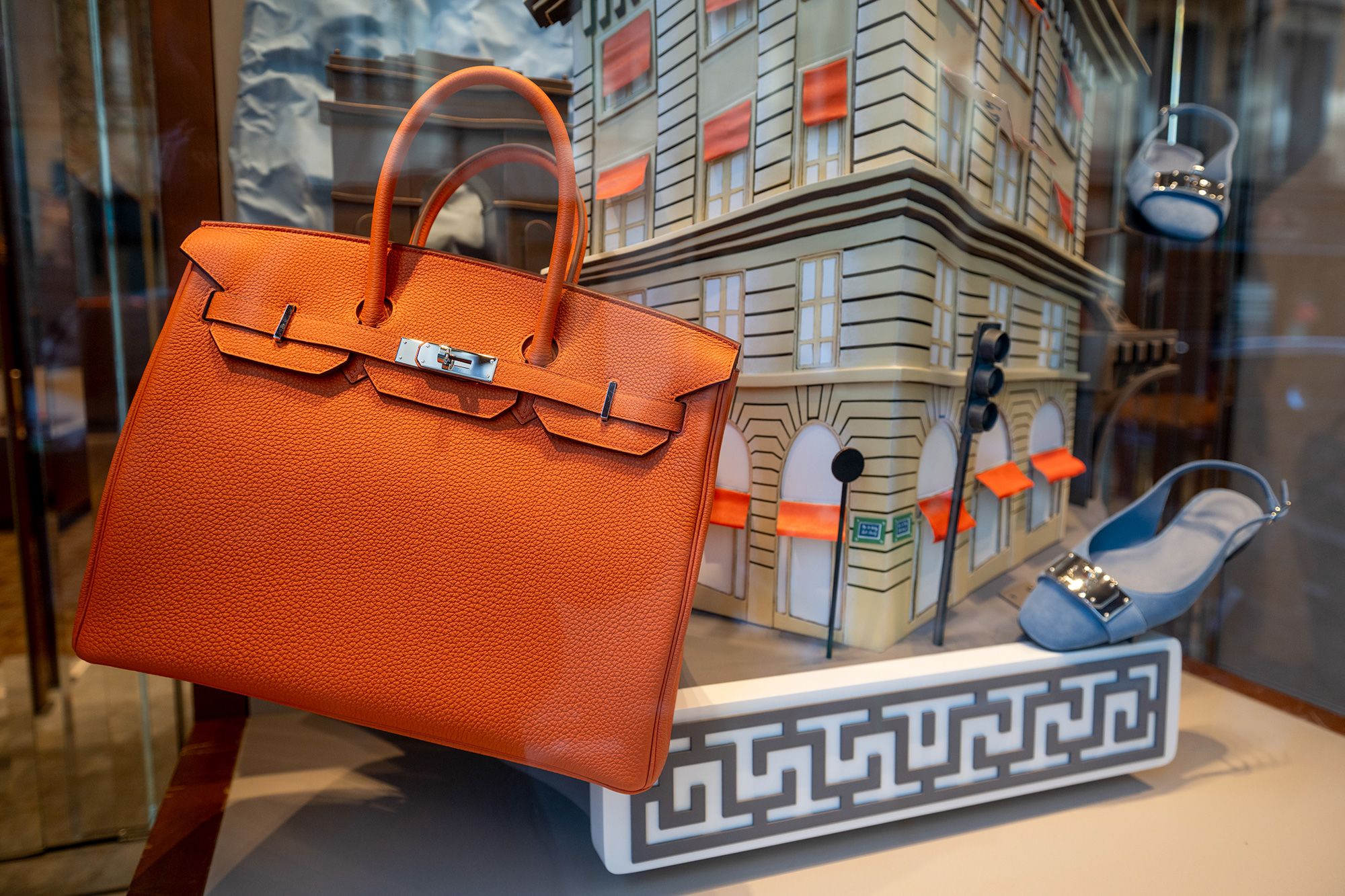
The global luxury market is facing a severe correction as geopolitical instability in the Middle East triggers a sharp downturn for some of the world’s most exclusive brands. Shares of major luxury houses, including Hermès and LVMH, have plummeted as the ongoing war in Iran disrupts consumer demand and suppresses tourism in key European fashion capitals.
The volatility has wiped out an estimated $100 billion from luxury stocks, according to reports from CNBC. The conflict has not only dampened spending within the Middle East but has also deterred high-net-worth individuals from visiting luxury shopping hubs in Paris and London, dealing a significant blow to hopes for a 2026 luxury revival.
Hermès, often regarded as the most resilient player in the sector, saw its shares sink 14 per cent at the open on April 15, 2026, after reporting that the war had hit sales across both the Middle East and Europe via The Straits Times. This drop brought the company’s losses since the start of the year to 28 per cent, with shares hitting their lowest level in more than three years.
The crisis highlights a critical vulnerability in the luxury industry: an increasing reliance on the Middle East for growth. While the region represents a relatively small portion of total global sales, its rapid expansion had become a primary driver for the high-net-worth economy, particularly in hubs like Dubai.
The Impact on Hermès and LVMH
The financial fallout for Hermès has been stark. The company reported that overall sales of its signature products—including Birkin and Kelly bags, silk scarves, and perfume—rose by 5.6 per cent in currency-adjusted terms, failing to meet the Visible Alpha analyst consensus of 7.1 per cent growth via The Straits Times.
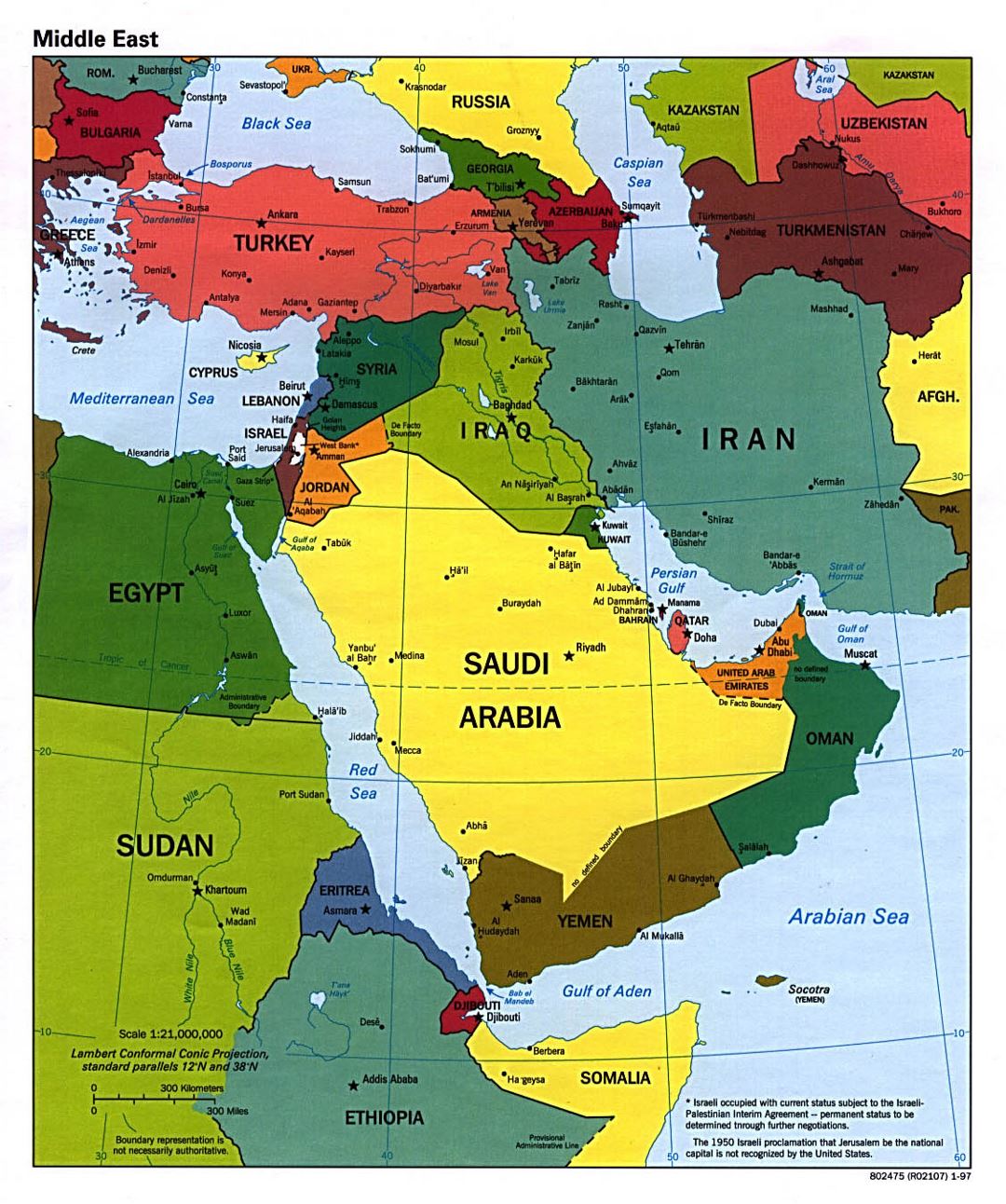
The most dramatic decline occurred in the Middle East region, where sales fell 6 per cent in currency-adjusted terms to €160 million, down from €185 million in the first quarter of 2025 via The Straits Times. CFO Eric du Halgouet noted that while January and February saw double-digit growth, March experienced an “abrupt halt,” with sales in luxury malls in Dubai and other Gulf shopping hubs dropping by 40 per cent during that month.
LVMH and Kering have also reported that their sales were hit by the conflict. According to CNBC, shares of LVMH and Hermès have fallen roughly 16 per cent and 20 per cent, respectively, within the month. This stands in sharp contrast to the broader market, as the S&P 500 fell by less than 6 per cent in the same period.
Automotive Luxury and Logistics Disruptions
The instability has extended beyond fashion and leather goods into the ultra-luxury automotive sector. Ferrari shares have fallen 15 per cent, and the company announced a temporary suspension of deliveries to the Middle East via CNBC.
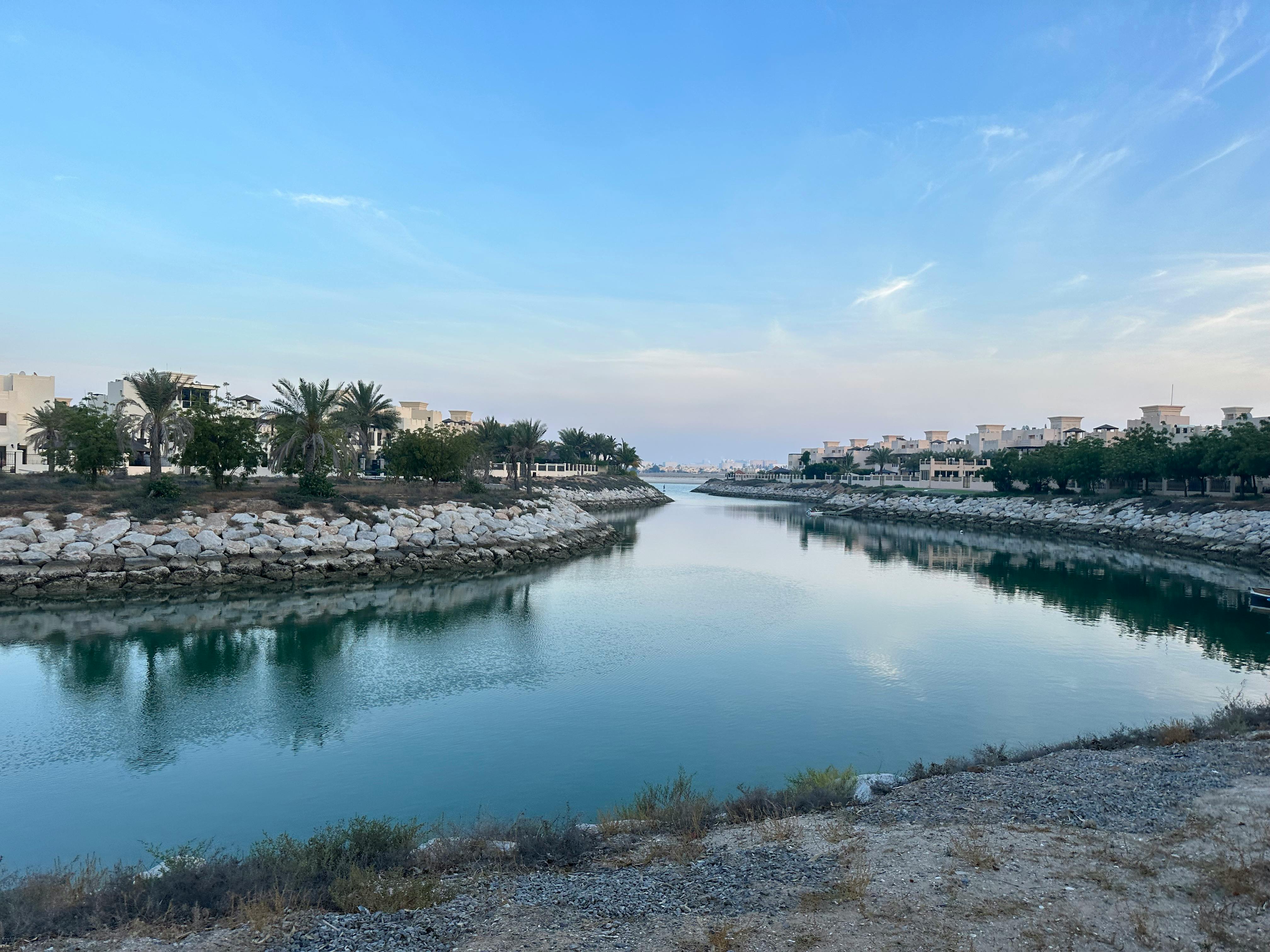
Other high-end manufacturers, including Bentley and Maserati, have similarly halted deliveries due to logistics challenges and security risks. Bentley CEO Frank-Steffen Walliser stated during a recent investor call that while production has not yet been impacted, consumer priorities in the Middle East have shifted away from purchasing new luxury vehicles amidst the conflict via CNBC.
Why the Middle East Market is Critical
For global luxury brands, the Middle East has transitioned from a niche market to a critical growth engine. In 2025, the region was the fastest-growing market for Hermès, despite accounting for only 4.4 per cent of its total sales via The Straits Times.
The “high-net-worth economy” in this region is characterized by concentrated wealth and a high appetite for exclusive goods. When geopolitical tensions rise, the impact is twofold: direct sales within the Gulf region drop, and the “tourism spend” in Europe evaporates as wealthy travelers avoid flying into the region or choose to avoid European capitals due to shifting security concerns and soaring energy prices that dent overall consumer confidence via The Straits Times.
Summary of Market Declines
| Company/Index | Reported Decline | Context |
|---|---|---|
| Hermès (Year-to-Date) | 28 per cent | Lowest shares in 3+ years |
| LVMH (Monthly) | ~16 per cent | Impact of Iran war |
| Hermès (Monthly) | ~20 per cent | Impact of Iran war |
| Ferrari | 15 per cent | Deliveries suspended to Middle East |
| S&P 500 (Monthly) | Less than 6 per cent | Broader market comparison |
As the industry grapples with these headwinds, the focus remains on the stability of the Middle East and the return of luxury tourism to Europe. The market awaits further updates on the conflict’s resolution and the subsequent impact on first-quarter financial filings for the remaining luxury houses.
We invite our readers to share their perspectives on how geopolitical shifts are influencing global consumer behavior in the comments below.