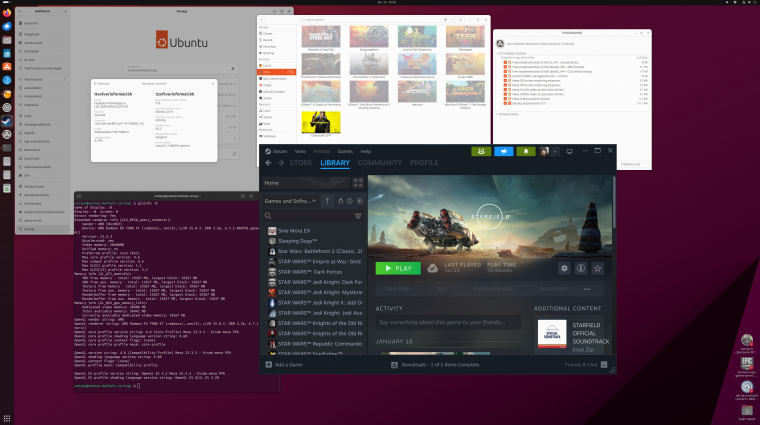
The landscape of desktop operating systems is witnessing a pivotal shift in 2026. For years, the narrative surrounding Linux was that of a niche tool for developers and server administrators, but a surge in gaming compatibility and a growing desire for digital sovereignty are pushing the open-source kernel into the mainstream. However, this transition is not without its friction.
As more users migrate away from proprietary ecosystems, they are encountering a set of systemic barriers that can make the initial transition daunting. From the paradox of choice in distribution selection to unexpected hardware demands, the “onboarding” process for Linux remains a significant hurdle for those accustomed to the streamlined, if restrictive, nature of Windows.
The momentum is undeniable. According to Valve’s March data, the share of Linux users on the Steam platform has climbed to 5.33%, marking a 3.10 percentage point increase over the previous month. While Windows still dominates with a 92.33% share, the decline of the latter—down 4.28 percentage points—suggests a growing appetite for alternatives among the gaming community.
The Barriers to Entry: Why Beginners Struggle
Despite the growth, new users often hit “traps” that can drive them back to familiar environments. One of the most prominent psychological barriers is the sheer volume of available Linux distributions. While the open-source nature of the OS allows for endless customization, this freedom often becomes an obstacle. The paradox of choice can leave beginners overwhelmed, making the initial setup sense like a chore rather than a liberation.
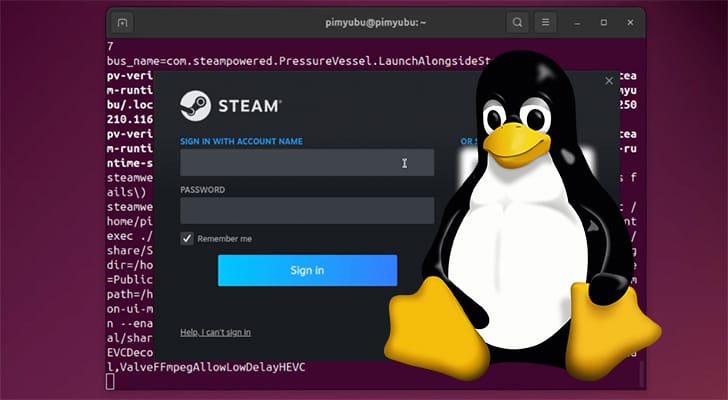
Beyond the software choice, hardware requirements have unexpectedly shifted. Recent reports indicate a surprising trend where Linux now requires 1.5x more memory than it did previously, a development that has coincided poorly with the needs of users who are reluctant to upgrade their RAM. This increase in resource consumption can be a shock to those who transitioned to Linux specifically to breathe new life into older hardware.
These challenges are further complicated by the learning curve associated with system configuration. While the ecosystem is evolving, the gap between “installing the OS” and “having a fully optimized workstation” remains a gap that many beginners struggle to bridge without significant technical guidance.
The Gaming Catalyst and Technical Breakthroughs
The current surge in adoption is largely credited to the “gaming trifecta”: Proton, the Steam Deck, and overall improved compatibility. These tools have transformed Linux from a productivity-only OS into a viable gaming platform. The community’s drive for innovation is evidenced by extreme projects, such as the successful installation of Linux on a PlayStation 5, effectively creating the first true “Steam Machine” on console hardware.
Technical optimizations are also targeting the “middle-market” of hardware. Natalie Vock, a developer at Valve, recently implemented a critical modification to the Linux kernel specifically designed to improve the experience for gamers using 8GB graphics cards. This type of targeted engineering is essential for lowering the barrier to entry, ensuring that users don’t need top-tier enterprise hardware to enjoy a smooth experience.
The trend of Linux on portable hardware is also expanding beyond official Valve products. The emergence of dual-boot handhelds demonstrates the versatility of the kernel in a mobile form factor.
RG VITA Pro Dual OS: Android 14 + Linux
Digital Sovereignty and the Institutional Shift
The move toward Linux is not limited to individual gamers; This proves becoming a matter of national policy. On April 11, 2026, the French government signaled a major shift toward digital independence by moving public administration toward Linux. This transition is part of a broader strategy to reduce reliance on foreign proprietary software and ensure that state infrastructure is built on transparent, open-source foundations.
This institutional backing provides a powerful validation of the platform’s stability and security, potentially encouraging more corporate and individual users to make the switch. When a major G7 nation prioritizes “digital independence” through Linux, it shifts the perception of the OS from a “hobbyist’s playground” to a strategic asset.
The Windows Response: A Battle for User Loyalty
Microsoft is not ignoring this migration. In response to growing dissatisfaction with Windows 11, Pavan Davuluri, the lead for Windows and Devices, announced a series of corrective measures on March 20. The company is attempting to stem the tide of users leaving for Linux by focusing on the very “friction points” that drive people away.
Planned improvements for Windows 11 include:
- A faster and more reliable File Explorer.
- Reduced disruption from Windows Update behaviors.
- Expanded taskbar customization options.
- A more restrained presence of the Copilot AI.
- Stabilized widget functionality.
These updates began rolling out to Insider builds in March and April 2026, with a broader wave of fixes expected throughout the year. Microsoft’s strategy is clear: improve the quality-of-life experience to ensure that the “cost of switching” to Linux remains higher than the cost of staying with a patched Windows environment.
Comparison of Platform Momentum (March-April 2026)
| OS Platform | Market Share (%) | Change (Month-over-Month) |
|---|---|---|
| Windows | 92.33% | -4.28 percentage points |
| Linux | 5.33% | +3.10 percentage points |
As the battle for the desktop continues, the outcome will likely depend on whether the Linux community can solve its “onboarding” problem. While the technical capabilities are there—and the institutional support is growing—the ability to simplify the experience for the average user will determine if Linux remains a powerful alternative or becomes the new standard.
The next major indicator of this shift will be the full deployment of the French administration’s Linux rollout and the subsequent performance data from the Windows 11 general release updates later this year.
Do you feel the “paradox of choice” is the biggest hurdle for Linux, or is it still about software compatibility? Share your thoughts in the comments below.