
The intersection of faith and political branding has sparked a fresh wave of controversy in the United States, as a novel image of Jesus associated with President Donald Trump draws sharp criticism from within the American Christian community. The imagery, which seeks to align the religious figure with the president’s persona, has led some believers to question the appropriateness of using sacred iconography for political leverage.
This tension highlights a growing friction among the religious right, where longtime support for the president is beginning to clash with traditional theological views on the nature of Christ. For many critics, the visual representation is seen not as a gesture of piety, but as an attempt to merge divine authority with earthly political power, leading to public denunciations from various faith leaders.
The debate comes at a time of heightened sensitivity regarding the role of religion in governance. While President Trump has historically maintained a strong alliance with evangelical voters, the emergence of these specific images has triggered a dialogue about where the line should be drawn between personal faith and political campaigning.
As the discourse expands, the reactions from the Christian community in the U.S. Suggest that the “fusion” of political and religious identities may be reaching a breaking point for some, while others continue to spot the alignment as a necessary defense of traditional values.
The Clash Over Sacred Imagery and Political Branding
The core of the current dispute centers on a specific image of Jesus that has been linked to President Trump. Critics within the American church have described the imagery as problematic, with some expressing that it is “honestly” an overstep to utilize the figure of Christ to bolster a political image. The backlash is not merely about the art itself, but about the perceived “weaponization” of faith to serve a specific political agenda.
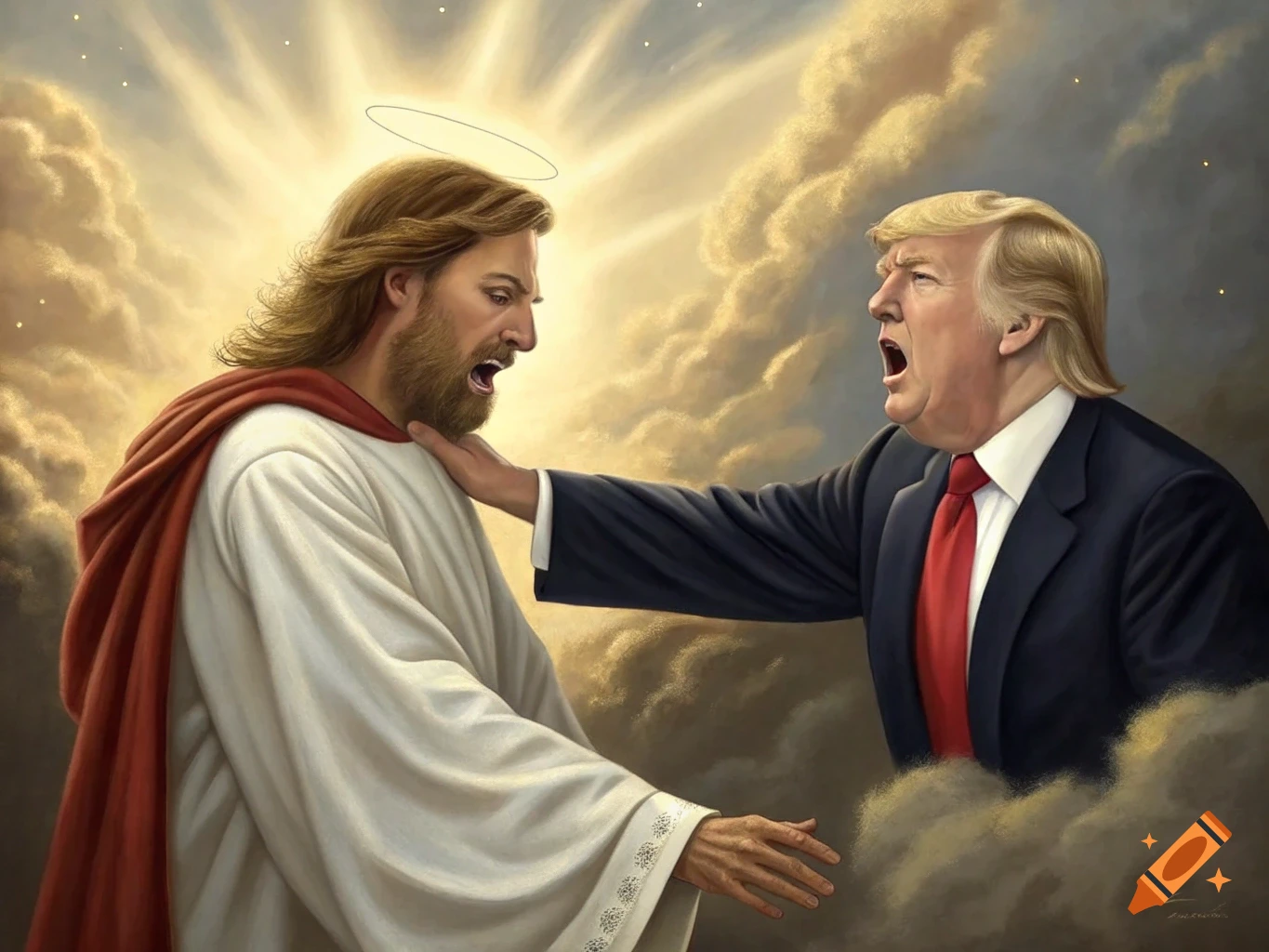
This controversy is part of a broader pattern of tension between the administration and religious institutions. The friction is further exemplified by the president’s interactions with global religious leaders, including recent communications with the Pope. These exchanges often highlight a disconnect between the president’s approach to faith and the diplomatic, peace-oriented messaging promoted by the Vatican.
For those opposing the imagery, the concern is that such depictions reduce a spiritual figure to a political mascot. This sentiment is echoed by commentators who suggest that the unwavering support once granted to Trump by the Christian right may be showing signs of fragility, as the boundaries of religious tolerance are tested by increasingly provocative political symbols.
Faith, Diplomacy, and the Vatican Response
The tension extends beyond domestic imagery and into the realm of international diplomacy. The relationship between the U.S. Presidency and the Holy See has been marked by a push-and-pull over the definition of global leadership and moral authority. In responses to the president’s messaging, the Pope has emphasized that the world currently needs a “message of peace,” suggesting a preference for humility and reconciliation over the more aggressive rhetoric often associated with the Trump administration.
This divergence in tone reflects a fundamental difference in how power is viewed: one side emphasizing the strength and dominance of a national leader, and the other emphasizing the universal, spiritual need for global harmony. The contrast becomes particularly stark when the president’s domestic branding—which often leans into “strongman” imagery—meets the traditional expectations of the papacy.
The Shifting Dynamics of Christian Support in the U.S.
The question of whether Christian support for Donald Trump is fracturing is now a central theme in American political analysis. For years, a significant portion of the evangelical community viewed the president as a shield for their interests, particularly regarding judicial appointments and religious freedom policies. However, the use of overtly religious symbols for political gain is creating a new point of contention.
Observers note that while the political alliance remains largely intact for many, there is a growing minority of believers who find the current trajectory of “political Christianity” to be inconsistent with the teachings of the Gospel. The debate over the “Jesus-image” serves as a catalyst for this internal struggle, forcing believers to decide if political loyalty outweighs theological purity.
This internal rift is not just about a single image, but about the long-term impact of merging a political brand with a religious identity. As the administration continues to use religious language to justify its policies, the risk of alienating moderate Christians increases, potentially shifting the electoral landscape in future cycles.
Key Takeaways on the Religious-Political Divide
- Imagery Controversy: American Christians are voicing opposition to images that merge Jesus with Donald Trump’s political branding, citing theological concerns.
- Theological Friction: The debate reflects a deeper struggle within the U.S. Church over the appropriateness of using sacred figures for political leverage.
- Diplomatic Contrast: While the president pursues a specific brand of leadership, the Pope has countered by calling for a global message of peace.
- Support Stability: You’ll see emerging signs that the once-solid bloc of Christian support for Trump may be experiencing cracks due to the perceived commercialization of faith.
The ongoing dialogue regarding these images and the president’s relationship with the papacy will likely continue to evolve as the administration navigates its relationship with the religious right. The next major point of observation will be how these tensions manifest during official religious observances and future diplomatic engagements with the Vatican.
We invite our readers to share their perspectives on the intersection of faith and politics in the comments below. How should political leaders engage with religious symbols in a pluralistic society?
Keep reading
- Google Pulls Nano Banana 2 From Google Earth After OSINT Backlash
- Denmark News: Teenagers Arrested for School Terror Plot and SAS Strike Threats
- BP Q2 Profit Hits $5.7 Billion Amid Trump Criticism of Big Oil Windfalls (time.news)
- Trump Administration Begins Systematic Appropriation of Japanese Manga (newsdirectory3.com)