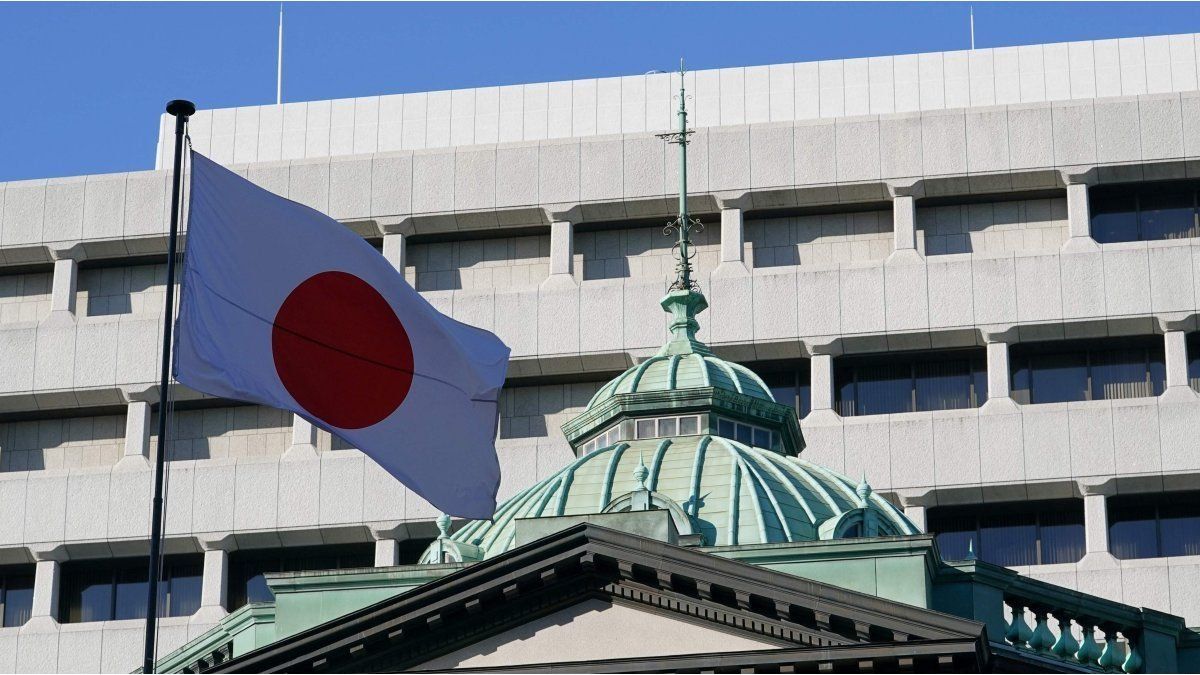
The Bank of Japan (BoJ) is navigating a complex economic landscape as it considers whether to raise interest rates to their highest levels in three decades. This potential shift in monetary policy comes at a critical juncture for the world’s third-largest economy, which has long been characterized by ultra-low rates and a struggle against deflation.
As the central bank approaches its two-day policy meeting, officials are weighing the necessity of tightening monetary policy against a backdrop of significant global uncertainty. The decision is further complicated by geopolitical tensions in the Middle East and the resulting impact on energy imports, which are vital for Japan’s industrial stability.
The Bank of Japan, often referred to as “Nichigin,” operates as a corporate entity independent of the Japanese government. Even as its monetary policy falls within the scope of administration, its autonomy is designed to ensure long-term public welfare and political neutrality, prioritizing price stability over short-term political gains.
Currently, the bank’s rate stands at 0.75%, according to data from Wikipedia. Any decision to increase this rate would mark a definitive departure from years of unconventional monetary easing, signaling a new era for the yen and Japanese financial markets.
Navigating Global Volatility and Energy Dependence
A primary concern for the BoJ is the vulnerability of the Japanese economy to external shocks. Japan is heavily dependent on energy imports that transit through the Strait of Hormuz, making the economy particularly sensitive to conflict in the Middle East. Such volatility can drive up import costs, fueling “cost-push” inflation that does not necessarily reflect healthy domestic demand.
The central bank must determine if current inflationary pressures are sustainable or merely a byproduct of these global disruptions. If the BoJ raises rates to combat inflation, it risks slowing economic growth; however, maintaining low rates in the face of a weakening yen could further increase the cost of imported fuel and raw materials.
The Role of the Governor and Institutional Independence
Under the leadership of Governor Kazuo Ueda, who assumed office on April 9, 2023, the Bank of Japan has been tasked with managing the transition away from negative interest rate policies. The bank’s independence is crucial here, as the political sector often favors short-term measures, whereas the BoJ focuses on the macroeconomic necessity of long-term price stability.
The institutional structure of the bank requires that at least 55% of its capital be owned by the Government of Japan, yet it maintains its operational autonomy to make critical decisions on the bank rate and the purchase of government bonds without direct political interference.
Monetary Policy Tools and Market Operations
Beyond the headline interest rate, the BoJ utilizes several mechanisms to influence the economy. One of the most significant is the outright purchase of Japanese Government Bonds (JGBs). The bank maintains a quarterly schedule for these purchases, often using a competitive auction method to manage liquidity and yield curves.
Recent data from the bank’s official reports indicate a continuous stream of statistics and research to inform these decisions. For instance, the bank monitors the Corporate Goods Price Index and Money Stock figures to gauge the health of the private sector and the velocity of money within the economy.
Key Financial Indicators and Reserves
The scale of Japan’s financial cushioning is immense, with reserves totaling US$1.12 trillion as of October 2023. This massive reserve provides the BoJ with the tools necessary to intervene in currency markets if the yen fluctuates too violently following a rate hike.
The bank similarly manages the Call Money Market and provides securities lending facilities. Recently, the BoJ has relaxed the terms and conditions for the Securities Lending Facility specifically for “cheapest-to-deliver” issues, reflecting a nuanced approach to maintaining market functionality while shifting broader policy goals.
What This Means for the Global Economy
A significant rate hike by the Bank of Japan would have ripple effects far beyond Tokyo. For years, Japan has been a primary source of “carry trade” funding, where investors borrow yen at near-zero rates to invest in higher-yielding assets globally. A rise in Japanese rates could trigger a reversal of these flows, leading to volatility in global equity and bond markets.
the decision will impact the valuation of the yen. A higher interest rate typically attracts investment in the currency, potentially strengthening the yen against the US dollar and the euro. While this helps lower the cost of imports, it can make Japanese exports more expensive and less competitive on the global stage.
Summary of Recent BoJ Activity
| Date | Action/Release | Focus Area |
|---|---|---|
| April 14, 2026 | Statistics Release | Japanese Government Bonds Held by BoJ |
| April 13, 2026 | Statistics Release | Money Stock (March) |
| March 31, 2026 | Monetary Policy | JGB Purchase Schedule (April-June 2026) |
| March 30, 2026 | Monetary Policy | Summary of Opinions (March 18-19 Meeting) |
| March 19, 2026 | Monetary Policy | Statement on Monetary Policy |
Future Outlook and Next Steps
The path forward for the Bank of Japan remains a delicate balancing act. The bank must synchronize its rate hikes with actual wage growth and sustainable inflation to avoid triggering a recession. The upcoming two-day meeting will be the primary indicator of whether the BoJ is ready to fully embrace a normalized interest rate environment.

Market participants are closely watching the “Summary of Opinions” and the “Minutes of the Monetary Policy Meeting” for clues regarding the internal consensus among policy board members. These documents provide the most transparent view of the bank’s internal debate over the timing and magnitude of potential rate increases.
The next confirmed checkpoint for the public will be the release of the upcoming Monetary Policy Meeting results and the accompanying Statement on Monetary Policy, which will clarify if the bank has decided to move toward the 31-year high in rates.
We invite our readers to share their perspectives on how a shift in Japanese monetary policy might affect global markets in the comments section below.
Worth a look