

The race to return humans to the lunar surface has evolved from a contest between superpowers into a high-stakes showdown between the world’s wealthiest individuals. Following the successful completion of the Artemis II mission earlier this month, which saw astronauts execute a lunar flyby for the first time in half a century, the focus has shifted toward the final descent. At the center of this effort is the intensifying Elon Musk and Jeff Bezos space rivalry, a competition that blends cutting-edge aerospace engineering with geopolitical urgency.
While NASA remains the orchestrating body, the actual hardware required to land humans on the moon is being developed by the private sector. Elon Musk’s SpaceX and Jeff Bezos’s Blue Origin are no longer just competitors for contracts; they are fighting to define the architecture of the future lunar economy. This rivalry is not merely about who touches the dust first, but about establishing the infrastructure for long-term habitation and the integration of AI into space operations.
The stakes extend far beyond corporate pride. The United States is currently racing to land astronauts on the moon before China, which has plans to achieve the same feat by 2030 according to Fortune. With NASA awarding multibillion-dollar contracts to both companies, the outcome of this rivalry will likely determine the pace of American lunar exploration for the next decade.
The Hardware Battle: Human Landing System vs. Blue Moon
The technical approaches taken by SpaceX and Blue Origin reflect the contrasting philosophies of their founders. SpaceX is developing the Human Landing System (HLS), a massive vessel that stands 165 feet tall—roughly the height of a 15-story building as reported by Fortune. Due to its immense scale, the HLS will utilize an internal elevator to transport cargo and astronauts from the crew cabin at the top down to the lunar surface.
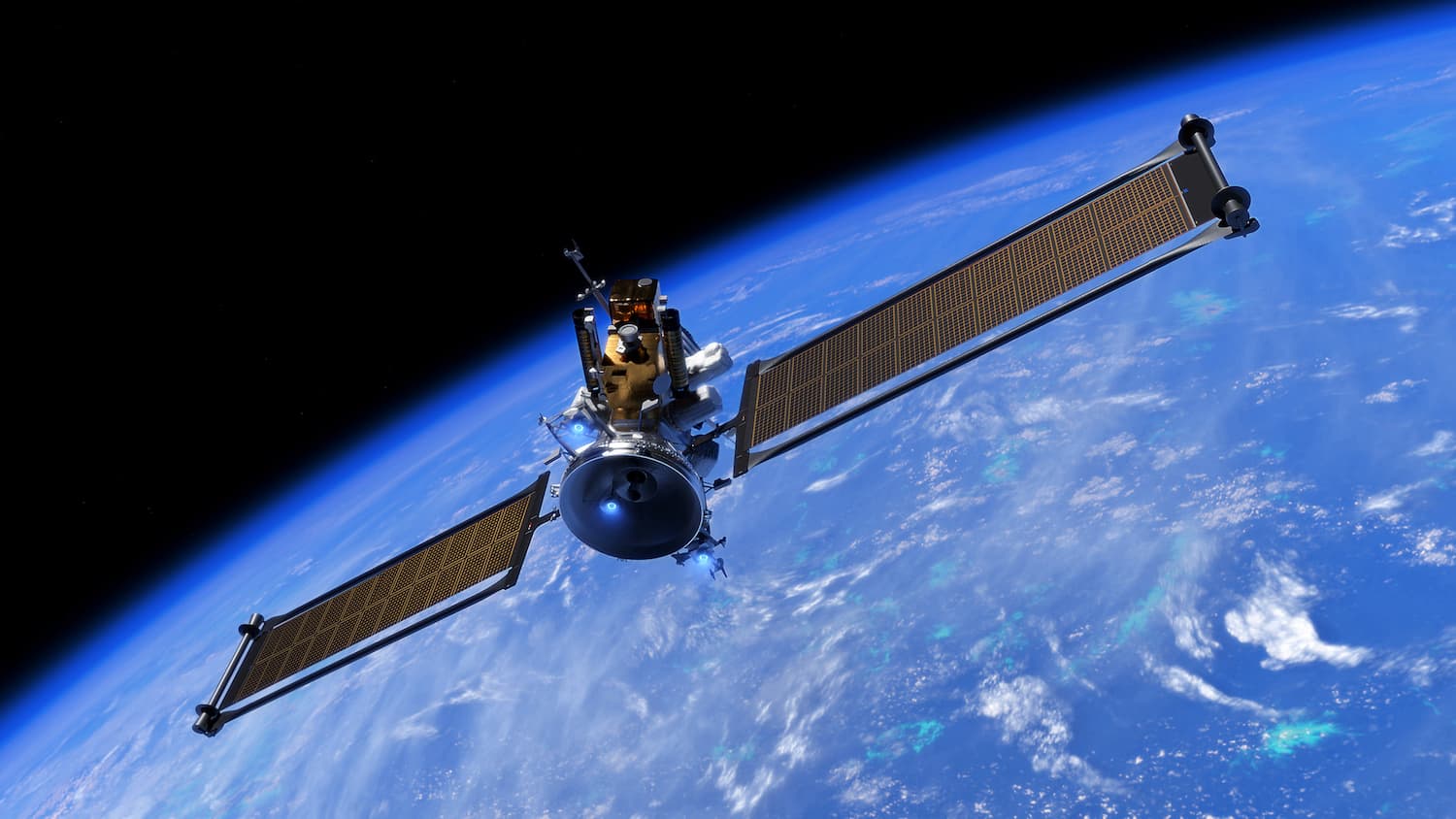
In contrast, Blue Origin is developing the Blue Moon lander. While it adheres more closely to the aesthetic of a traditional lunar craft, it incorporates advanced sensing technology to ensure safety. The lander is reportedly equipped with lidar sensors designed to map the lunar surface in real-time, allowing the craft to identify the flattest landing areas and avoid hazardous terrain via Space.com.
A critical commonality between the two designs is the focus on reusability. Both the HLS and Blue Moon are engineered to be reused, a necessity for reducing the astronomical costs associated with repeated lunar missions. This shift toward sustainable spaceflight is a departure from the Apollo era’s “single-use” philosophy and is essential for any plan involving a permanent human presence on the moon.
Divergent Philosophies: ‘Fail Fast’ vs. ‘Slow is Smooth’
The rivalry is as much about management style as it is about machinery. SpaceX has long operated under a “fail fast” methodology. By iterating rapidly through prototypes and accepting early-stage failures as a path to perfection, Musk has maintained a dominant lead in rocket launches and satellite internet deployment per The News.
Jeff Bezos has taken a more methodical approach, summarized by the mantra “slow is smooth, smooth is fast.” Blue Origin focuses on meticulous planning to ensure that its vehicles work perfectly from their first flights. This strategy is evident in the development of the New Glenn rocket. In November, the New Glenn successfully deployed two Mars-bound satellites for NASA, signaling that Blue Origin is rapidly closing the gap in orbital delivery capabilities according to The News.
This tension between agility and precision has created a complex relationship with NASA. While SpaceX was initially contracted for the Starship Human Landing System, delays in development prompted NASA to invite other bidders, leading to the subsequent contract award for Blue Origin via The News.
The Trillion-Dollar Stakes and Lunar Infrastructure
The competition for lunar contracts is inextricably linked to the financial ambitions of the two billionaires. For Elon Musk, the success of the lunar lander is a catalyst for SpaceX’s broader business goals, including a planned initial public offering (IPO). Experts have predicted that SpaceX could be valued at over $1 trillion upon going public, a milestone that would potentially make Musk the world’s first trillionaire as reported by the BBC via Yahoo News.
Beyond the financial valuation, the long-term vision for the moon is becoming more concrete. NASA Administrator Jared Isaacman has outlined plans for a permanent moon base, with estimated costs ranging between $30 billion and $50 billion per Fortune. The company that establishes the most reliable landing system will likely hold a significant advantage in building and supplying this base.
| Feature | SpaceX (HLS) | Blue Origin (Blue Moon) |
|---|---|---|
| Design Philosophy | Rapid iteration (“Fail Fast”) | Methodical precision (“Slow is Smooth”) |
| Key Technology | 15-story height with internal elevator | Lidar surface mapping for hazard avoidance |
| Primary Goal | Mars colonization and lunar transit | Sustainable lunar infrastructure |
| Reusability | Designed for reuse | Designed for reuse |
Beyond the Moon: AI and the Mars Horizon
While the moon is the immediate objective, the Elon Musk and Jeff Bezos space rivalry is actually a proxy for a larger war over the future of technology. Musk has signaled that the moon is a stepping stone toward a self-sustaining colony on Mars. He has proposed the creation of data centers that float in outer space, integrating his xAI artificial-intelligence company into the celestial infrastructure via the BBC.

This intersection of AI and aerospace suggests that the winner of the lunar race will not just control transportation, but also the processing power and data flow of the solar system. By establishing “space-based AI infrastructure,” the dominant player could control the navigation, resource mapping and communication systems used by all other lunar and Martian inhabitants.
What Happens Next?
The industry is now looking toward the Artemis III mission, scheduled for mid-2027 according to Fortune. This mission will serve as the primary test for the lunar landers, provided they are ready on time. Following that, the Artemis IV mission is slated for 2028, focusing on the actual moon landing per Yahoo News.
The next critical checkpoint will be the progress reports leading up to the mid-2027 Artemis III window. Whether SpaceX’s scale or Blue Origin’s precision wins the day will dictate the trajectory of human exploration for the rest of the century.
Do you believe a private-sector led space race is the most efficient way to reach the moon, or should government agencies take the lead? Share your thoughts in the comments below.