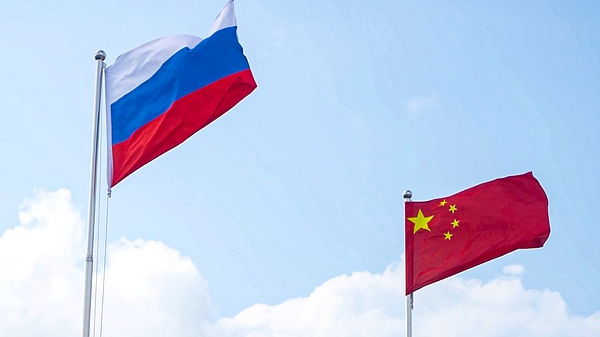
The volatility currently gripping the Middle East is doing more than shifting regional borders; it is fundamentally reshaping the architecture of global trade and diplomatic alliances. As tensions mount over critical maritime chokepoints, the China-Russia economic alliance is positioning itself to navigate—and potentially capitalize on—the resulting instability.
At the center of this geopolitical friction is the Strait of Hormuz, a narrow waterway essential for the transit of global energy and goods. For Beijing and Moscow, the current crisis presents a dual opportunity: the ability to present themselves as brokers of stability while simultaneously insulating their own economies from the shocks that are currently rattling Western markets.
While the international community remains divided on how to handle the escalating tensions, the strategic alignment between China and Russia has grown more pronounced. Their shared interest in maintaining the flow of resources, combined with a desire to diminish Western influence in the region, has turned a regional conflict into a catalyst for a deeper strategic partnership.
Supply Chain Vulnerabilities and the Hormuz Chokepoint
The economic stakes of the current crisis extend far beyond crude oil. Analysts warn that a prolonged disruption in the Strait of Hormuz will create significant ripple effects across plastics and food supply chains.
Because the Strait is a primary artery for petrochemicals and agricultural imports, any blockage or increased insurance premiums for shipping directly impact the cost of raw materials. This volatility is expected to hit American consumers and industries particularly hard, as supply chain dependencies leave the U.S. More exposed to price spikes in plastics and food staples.
Conversely, the strategic positioning of Beijing and Moscow allows them to leverage these disruptions. By diversifying their trade routes and strengthening their bilateral ties, they are creating a buffer against the same shocks that threaten Western economic stability. This dynamic transforms a global crisis into a competitive advantage, allowing the China-Russia economic alliance to gain ground in markets where Western reliability is being questioned.
Diplomatic Maneuvering: The Push for Stability
While the economic ripples provide a strategic advantage, both Beijing and Moscow are publicly advocating for a resolution to the conflict. Recent diplomatic efforts show that Beijing and Moscow are pushing for a ceasefire and stability in the Strait of Hormuz.
This push for stability is not merely altruistic; it is a calculated move to ensure that the flow of energy—which both nations rely on heavily—remains uninterrupted. By positioning themselves as the “rational actors” seeking peace, China and Russia can increase their diplomatic leverage with Middle Eastern capitals, potentially displacing the U.S. As the primary security guarantor in the region.
The strategy is clear: maintain enough instability to weaken Western economic dominance, but push for enough stability to ensure their own industrial machines continue to run. This balancing act is a hallmark of the current strategic partnership between the two powers.
Economic Corridors and the Path to a Hormuz Deal
One of the most significant developments in this crisis is the emergence of “economic corridors” as a tool for diplomacy. These corridors—massive infrastructure and trade projects designed to link Asia, the Middle East, and Europe—are now becoming the primary currency for negotiations.
Reports indicate that a complex interplay between Tehran, Washington, Beijing, and Moscow is currently unfolding, with economic corridors driving a potential Hormuz deal. By tying security agreements to infrastructure investment, Beijing and Moscow are creating long-term dependencies that extend far beyond the immediate resolution of the current conflict.
For China, these corridors align with its broader global infrastructure goals, ensuring that its energy imports are not solely dependent on a single, volatile chokepoint. For Russia, it provides a way to maintain geopolitical relevance in the Middle East while securing new markets for its energy exports in the face of Western sanctions.
Key Takeaways for Global Markets
- Supply Chain Risk: The Strait of Hormuz remains a critical vulnerability for the plastics and food industries, particularly for U.S.-based companies.
- Strategic Realignment: China and Russia are utilizing the crisis to strengthen their economic alliance and present themselves as regional stabilizers.
- Infrastructure as Diplomacy: The development of economic corridors is now a central component of negotiations involving Tehran, Washington, Beijing, and Moscow.
- Asymmetric Impact: While the crisis creates volatility globally, the strategic positioning of the Beijing-Moscow axis may allow them to weather the storm more effectively than Western economies.
The situation in the Strait of Hormuz remains fluid. The next critical checkpoint will be the outcome of the ongoing diplomatic pushes for a ceasefire and the formalization of any deals tied to the proposed economic corridors. As these negotiations progress, the world will see whether the push for stability leads to a lasting peace or simply a new era of managed tension.

We invite our readers to share their perspectives on how these shifting alliances might impact global trade in the comments below.
Worth a look