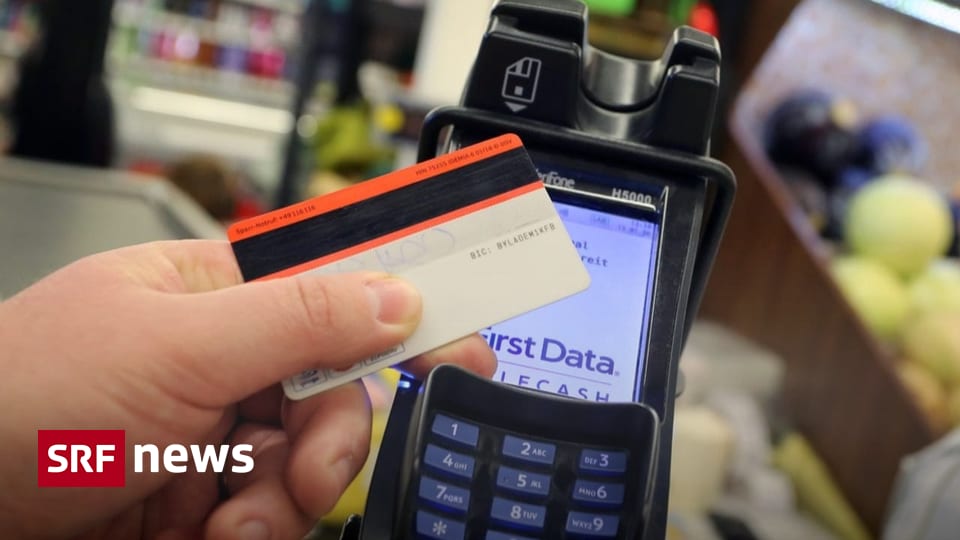
Switzerland is witnessing a fragmented shift in how it provides financial support to displaced persons, as several cantons move to replace cash payments with payment cards for asylum seekers in Switzerland. This transition, driven by a desire for greater oversight and the prevention of funds being sent abroad, has created a “patchwork” of regulations across the country, with some regions aggressively pursuing digital disbursements whereas others remain hesitant.
The move signals a broader strategic shift in the Swiss asylum system, moving away from traditional cash-based social assistance toward a controlled debit model. By loading funds onto prepaid cards, cantonal authorities aim to ensure that state resources are used exclusively for the daily needs of individuals living within Swiss borders, effectively blocking the ability to transfer money to countries of origin.
This transition is not happening uniformly. While the federal government has clarified that the responsibility for such measures lies solely with the individual cantons, the resulting disparity in implementation has sparked a national debate over efficiency, administrative control and the potential for discrimination against vulnerable populations.
The Legal Framework: Cantonal Autonomy and Federal Guidance
The legal basis for this shift was clarified in a report approved by the Federal Council on June 20, 2025, which determined that cantons possess the sole authority to introduce payment cards for social assistance in the asylum sector Federal Council Report June 2025. According to the Federal Council, these cards are classified as “Sachleistungen” (benefits in kind), meaning they can be implemented under existing laws—specifically the Asylum Act and the Foreign Nationals and Integration Act—without requiring amendments to federal legislation.
Despite this legal green light, there has been significant institutional resistance. In the autumn of 2024, the board of the Conference of Cantonal Social Directors (SODK) voted unanimously against the introduction of such cards for people in the asylum sector SODK Board Decision 2024. This creates a tension between the federal government’s technical permission and the professional recommendations of the social directors who manage these systems on the ground.
Canton Schwyz: A Model of Controlled Disbursement
Canton Schwyz has moved decisively to implement this system, with its cantonal parliament passing a law to ensure asylum seekers receive their social assistance via debit cards. Under this new regime, individuals are entitled to approximately 14 francs per day, delivered as a balance on a payment card Canton Schwyz Social Assistance Law.
The decision follows a five-month pilot program involving ten asylum seekers, which local authorities described as a success. Monika Lienert, the responsible municipal councilor, noted that the technical processes functioned well and led to an increase in efficiency. The system allowed the government to track spending habits; the data revealed that approximately 68 percent of the funds were used for food Schwyz Pilot Program Results.
To maintain some flexibility for expenses where card payments are not accepted, the Schwyz system allows for a limited cash withdrawal of up to 100 francs per month. The primary goal of the conservative majority in parliament is to ensure that state welfare funds are dedicated to the daily survival of the recipients within Switzerland rather than being remitted to their home countries.
Canton Zug: Phased Rollout and Technical Restrictions
Canton Zug is following a similar path but with a structured, phased implementation starting in April 2026 Canton Zug Payment Card Implementation. The system is designed as a prepaid card that does not require a personal bank account, meaning support payments are loaded directly onto the card by the state.
The Zug model is specifically targeted at several categories of displaced persons, including:
- Asylum seekers holding a Permit N.
- Provisionally admitted persons holding a Permit F.
- Protected persons holding a Permit S.
- Persons who have been ordered to abandon the country and have a final, legally binding expulsion order.
Technical safeguards are central to the Zug implementation. Transfers and payments to foreign countries are strictly blocked. Like Schwyz, Zug allows a minor window for cash, though its limit is slightly higher: users can withdraw up to 150 francs per card per month Zug Cash Withdrawal Limits. The canton plans to transition at least 300 people to the card system during the 2026 calendar year to test and refine the configuration before a wider rollout.
Comparing Cantonal Approaches
The differences between the cantons highlight the “patchwork” nature of the Swiss asylum system. While the overarching goal of preventing remittances is shared, the specific limits and timelines vary.

| Feature | Canton Schwyz | Canton Zug |
|---|---|---|
| Implementation Status | Law passed; pilot completed | Phased rollout starting April 2026 |
| Monthly Cash Limit | 100 CHF | 150 CHF |
| Primary Objective | Prevent remittance to home countries | Targeted daily needs in Switzerland |
| Target Groups | Asylum seekers | Permits N, F, S, and expelled persons |
The Human Rights and Political Debate
The shift toward digital assistance has not been without controversy. In Canton Schwyz, the SP (Social Democratic Party) and the Green Party fractions have voiced strong opposition, labeling the new regulations as discriminatory. Critics argue that restricting the form of payment stigmatizes asylum seekers and limits their autonomy in managing their basic needs.
The tension lies in the balance between state control and the dignity of the individual. While proponents argue that the system prevents the misuse of taxpayer funds and ensures that the money serves its intended purpose—supporting the recipient’s life in Switzerland—opponents see it as a punitive measure that treats asylum seekers as untrustworthy by default.
This ideological divide is mirrored at the institutional level. The SODK’s unanimous opposition in 2024 suggests that those managing social services believe the administrative burden or the social impact of the cards outweighs the benefits of the increased control sought by political leaders.
Key Takeaways for Stakeholders
- Federal Stance: The Swiss Federal Council has confirmed that cantons are solely responsible for the introduction of payment cards and that no federal law changes are required.
- Financial Controls: Both Schwyz and Zug have implemented strict limits on cash withdrawals (100–150 CHF) and total blocks on international transfers.
- Implementation Timeline: Canton Zug is currently in its initial phase, transitioning at least 300 eligible persons throughout 2026.
- Legal Classification: Payment cards are legally viewed as “benefits in kind” (Sachleistungen) under Swiss law.
As the 2026 rollout continues in Canton Zug and other regions potentially follow suit, the focus will shift toward the practical impact on the daily lives of asylum seekers. The coming months will reveal whether the efficiency gains reported in Schwyz’s pilot program are scalable or if the systemic frictions predicted by the SODK and left-wing parties will lead to further legal challenges.
The next confirmed checkpoint for this development is the ongoing transition phase in Canton Zug throughout 2026, where the government will review and adjust the configuration and workflows based on the experience of the first 300 users.
World Today Journal encourages readers to share their perspectives on the balance between state oversight and individual autonomy in the comments below.
Keep reading