
U.S. President Donald Trump announced Wednesday that the leaders of Israel and Lebanon are scheduled to speak on Thursday, following a historic diplomatic encounter in the United States. The announcement comes after the two nations held a high-level face-to-face meeting in Washington on Tuesday, marking the first such negotiation between the two countries since 1993.
This sudden shift toward direct diplomacy represents a significant development in the Middle East, where tensions have remained volatile. The Trump administration is actively hosting these Israel and Lebanon leaders to hold talks in an effort to mediate a resolution to the ongoing conflict and stabilize the region.
The scale of this diplomatic effort is underscored by the rarity of such meetings. For over three decades, high-level direct negotiations between the two governments had been absent, making the recent Washington summit a pivotal moment in regional geopolitics.
The Washington Summit and Thursday’s Follow-up
The momentum for these discussions began Tuesday with a face-to-face meeting in Washington. According to reports, this encounter was the first of its kind since 1993, signaling a departure from years of indirect communication and proxy tensions. The U.S. Government’s role as a host suggests a strategic push by the Trump administration to leverage direct dialogue to prevent further escalation of the Middle East war.
President Trump confirmed on Wednesday that the dialogue will continue, with the leaders of Israel and Lebanon set to speak again on Thursday. While the specific agenda for Thursday’s conversation has not been detailed, the timing follows the immediate aftermath of the high-level Washington talks. Al Jazeera reports that Trump announced these leaders will speak on Thursday.
International Reactions and Geopolitical Pressure
The U.S.-led initiative has not occurred in a vacuum, and other global powers are reacting to the shift in diplomacy. French President Emmanuel Macron has reportedly reach under fire regarding his own policies toward Iran and Hezbollah as the Trump administration takes a central role in hosting the Israel-Lebanon talks. This friction highlights the differing strategic approaches between the U.S. And European allies in managing Middle Eastern stability.
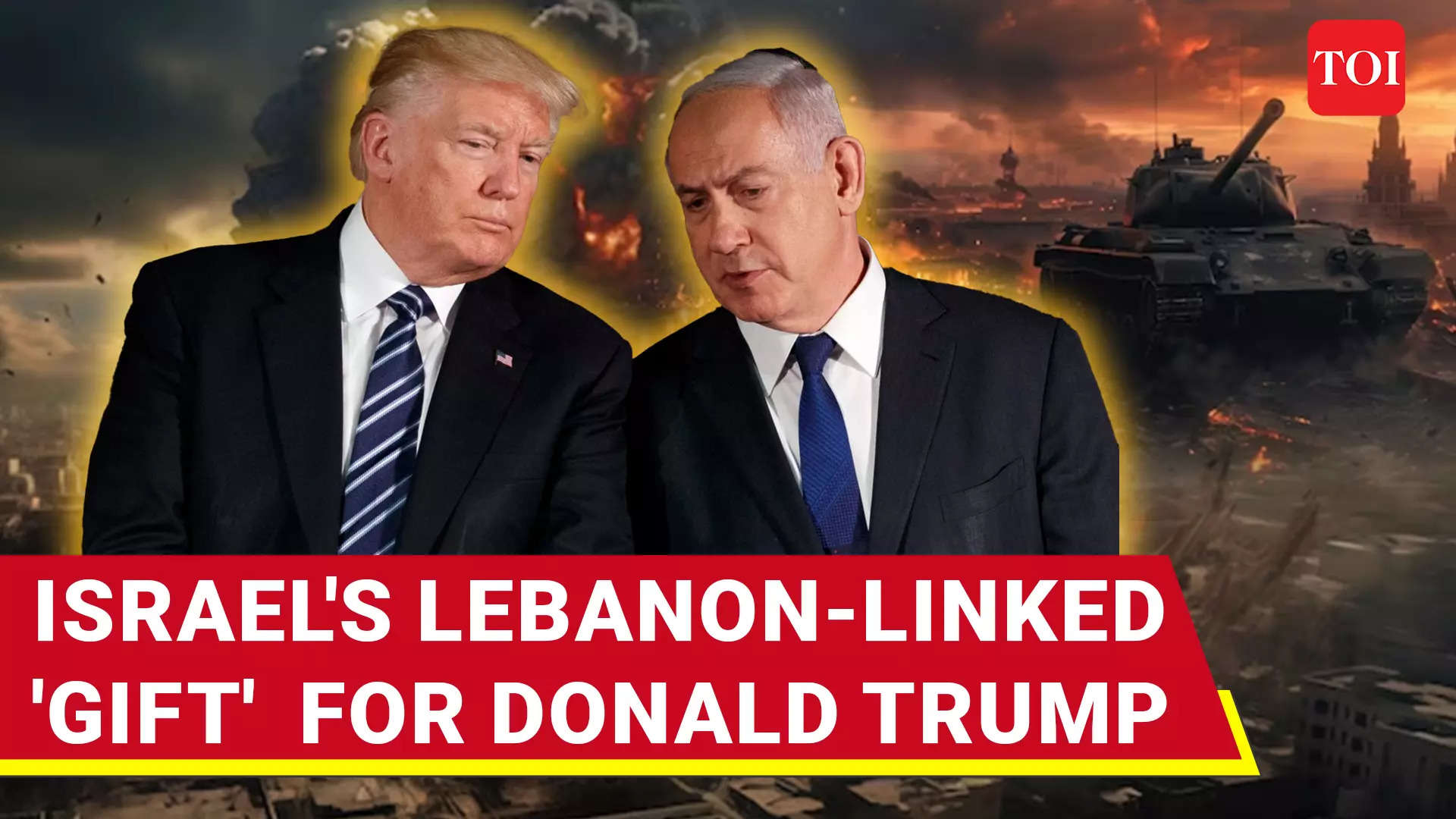
The involvement of the Trump administration in these talks is seen as a direct attempt to reshape the security architecture of the region. By facilitating a direct line of communication, the U.S. Is attempting to move beyond the stalemates that have characterized the relationship between Israel and Lebanon for decades. Fox News notes that Macron’s policies are being scrutinized amidst these high-stakes negotiations.
What Which means for Regional Stability
The significance of these talks lies in the historical gap since the last high-level meeting in 1993. For many, the prospect of the Israel and Lebanon leaders to hold talks suggests a potential opening for a ceasefire or a formal agreement to reduce hostilities. The fact that the meeting took place in Washington indicates that the U.S. Is acting as the primary guarantor and mediator for these discussions.
The potential outcomes of these talks could include:
- A reduction in military escalation along the border.
- New frameworks for communication to prevent accidental conflict.
- Potential agreements on border security and sovereignty.
Still, the success of these talks depends on the willingness of both parties to move past long-standing grievances. CNBC reports that these are the first high-level meetings in decades, emphasizing the weight of the current diplomatic push.

As the world watches the results of the Thursday conversation, the focus remains on whether this initial breakthrough in Washington can be translated into a lasting peace or a sustainable reduction in violence in the Middle East.
The next confirmed checkpoint is the scheduled conversation between the leaders of Israel and Lebanon on Thursday, April 17, 2026.
We invite our readers to share their perspectives on these diplomatic developments in the comments below. Please share this report to retain others informed on the evolving situation in the Middle East.
Keep reading